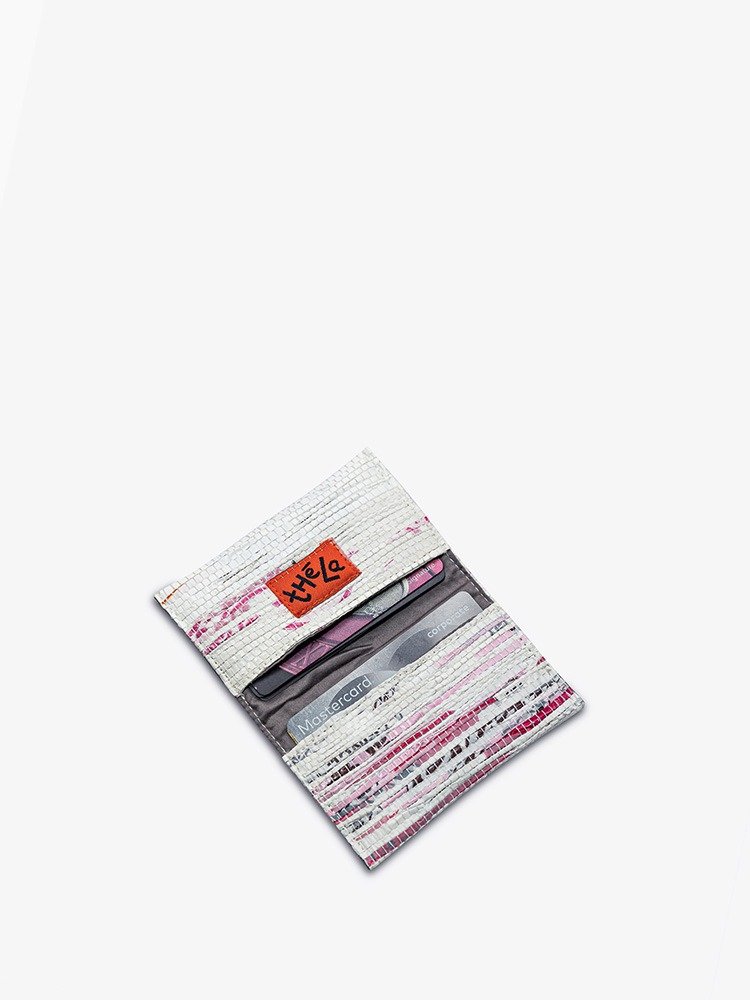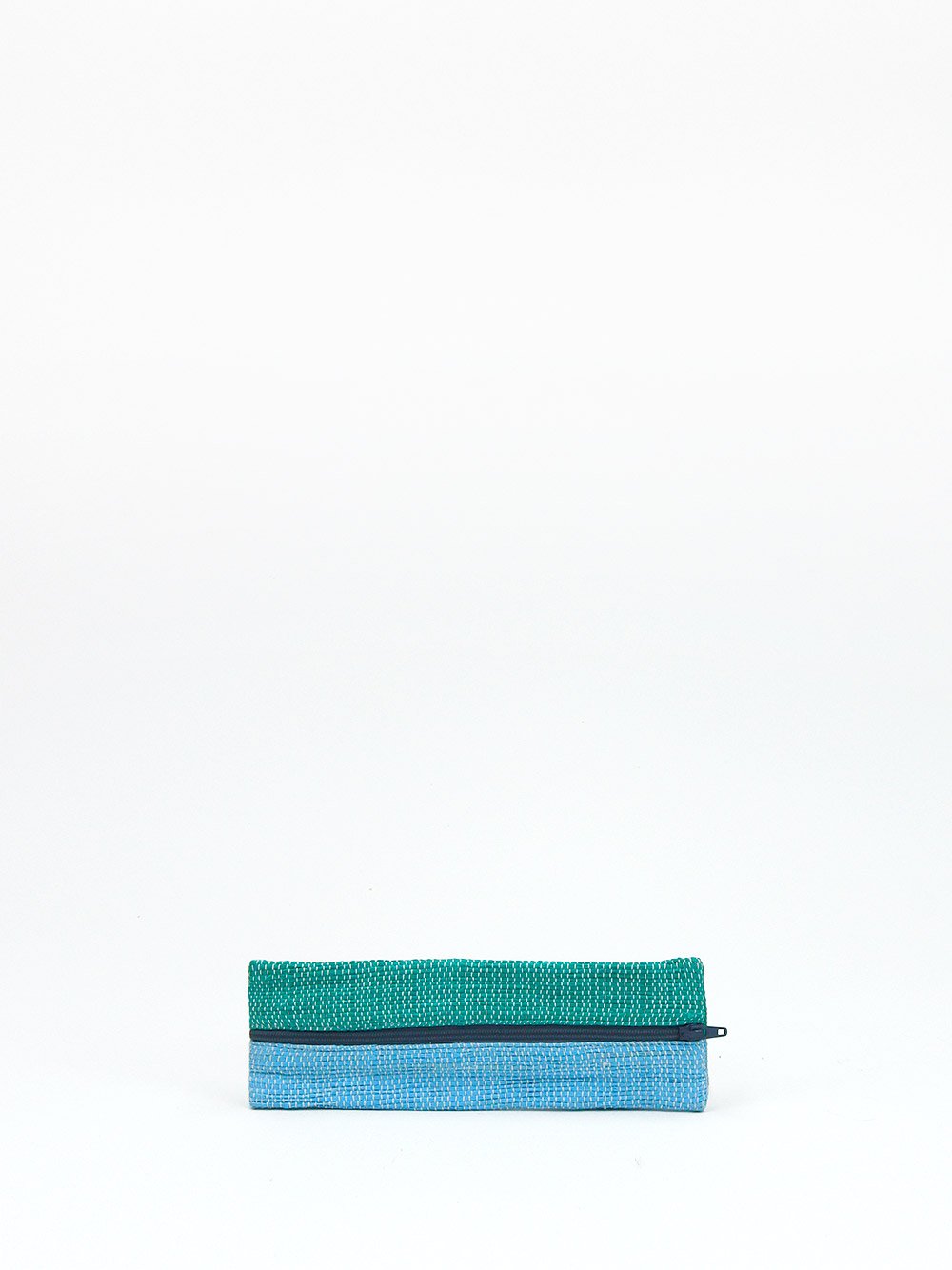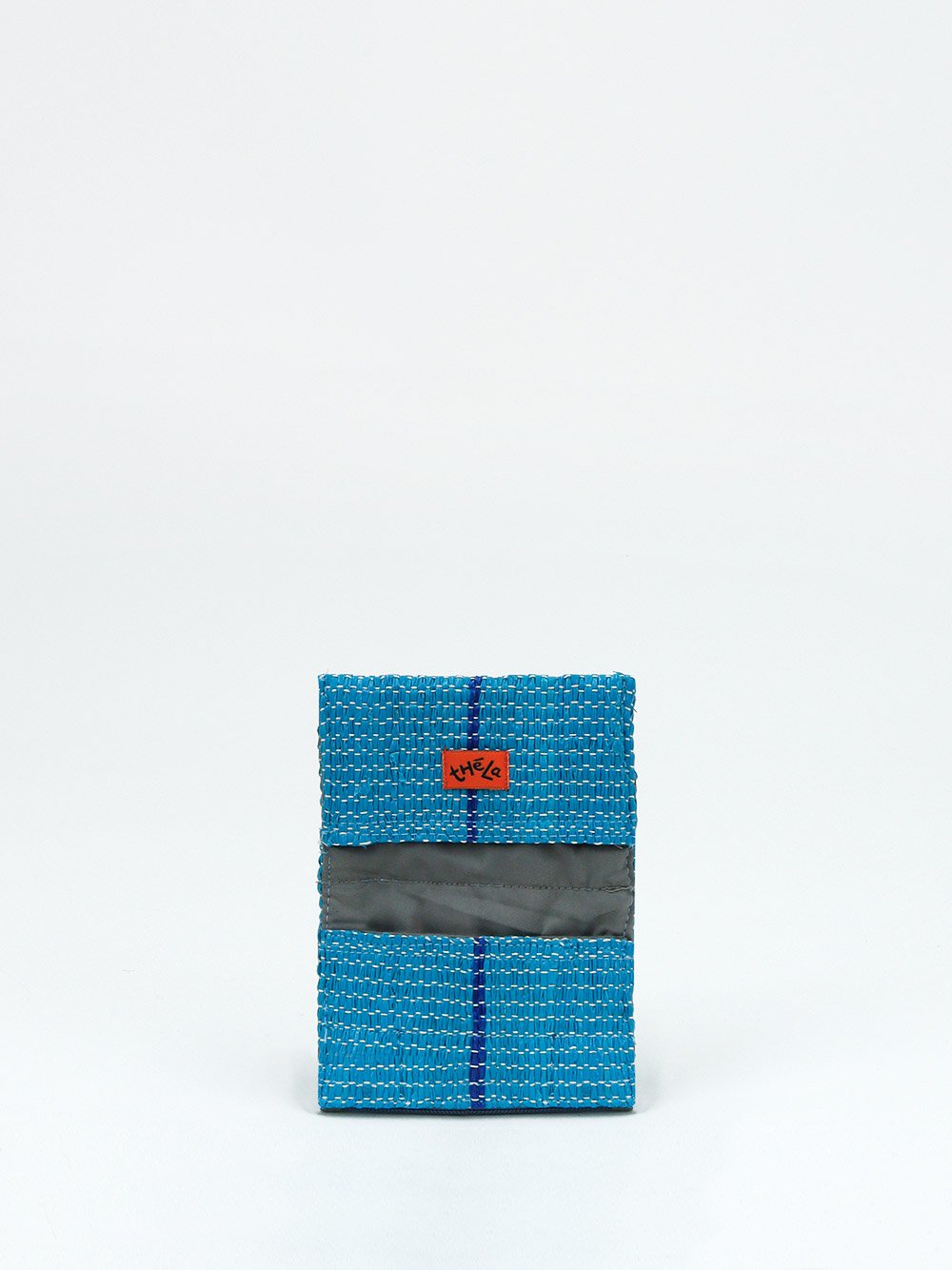




Théla Accessories · Athens, Greece
Colours chosen before the first cut
Théla began as Diti Kotecha's hobby in Athens, with plastic she gathered and crocheted herself. The woven bags came later, on looms in India.
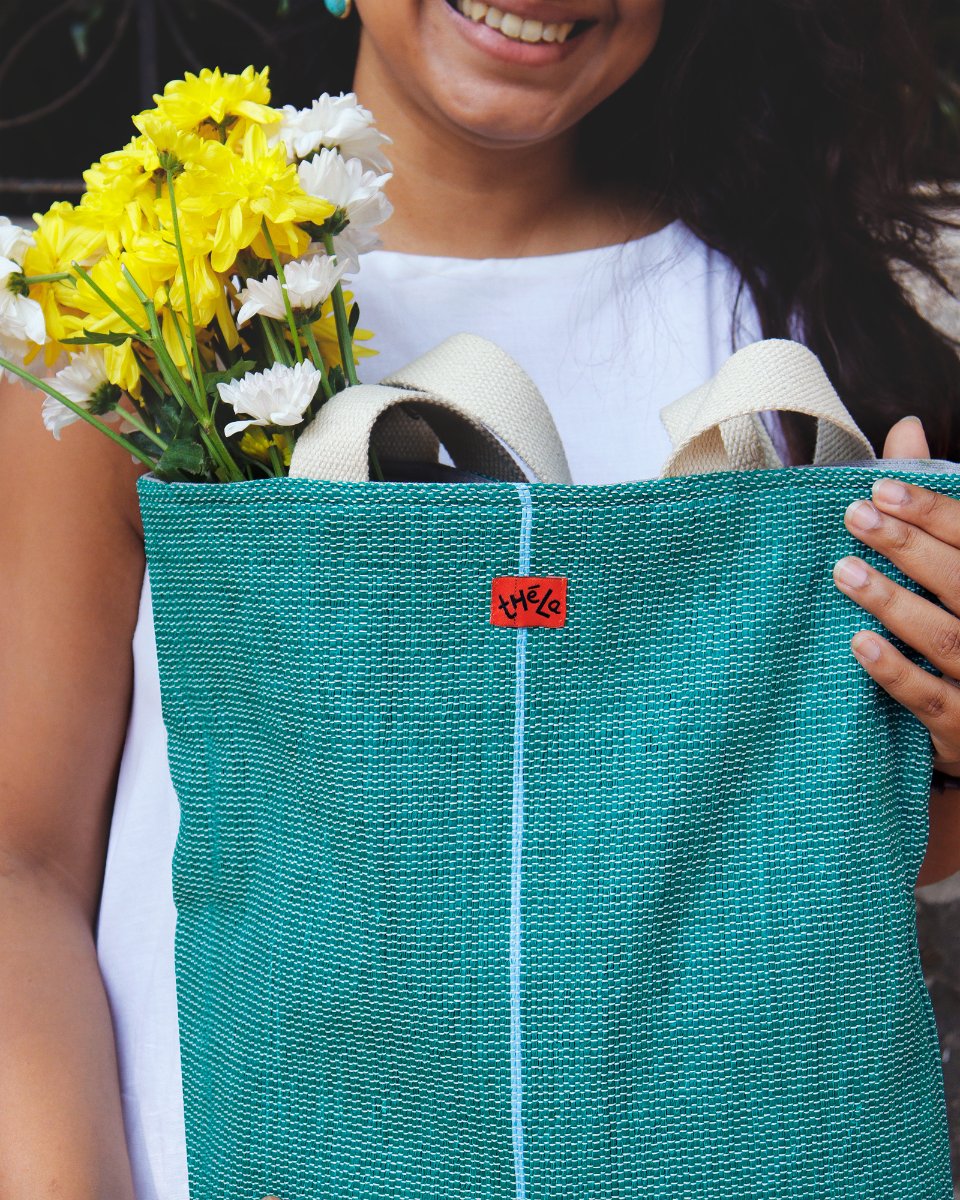
A Théla bag begins with the waste collectors, and with a choice Diti Kotecha makes among what they gather: which kind of plastic to take, and which colours she wants. Only once that is settled is the plastic sorted, cleaned and cut by hand into yarn.
Athens, by her own hands
At first there was no plan for a business. She was doing, as she puts it, what she knew best. In the early years in Athens she did every step herself: she collected the plastic, washed it, dried it and cut it into yarn, then crocheted and sewed. Nothing of a plastic bag was wasted, and even the handles and seams became pom-poms. The pieces of that time were crochet jewellery and floor mats, and neither is in the shop today.
For a while she also ran collection drives, where people brought her their plastic. She stopped them once she saw that they handed donors, in her words, a free pass to consume more. What she takes in Athens today, she says, is picked up from bins and streets around the farmers' markets after the market ends, before the bin lorries come for it.
The loom in Kutch
In Kutch, weavers were already working with local plastic waste before she arrived. She knew artisans in India through her design work, her volunteering and her travels, and she spends three to four months of each year there. At first she worked through established organisations. Now she works with the artisans directly, and Théla keeps no workshop of its own.
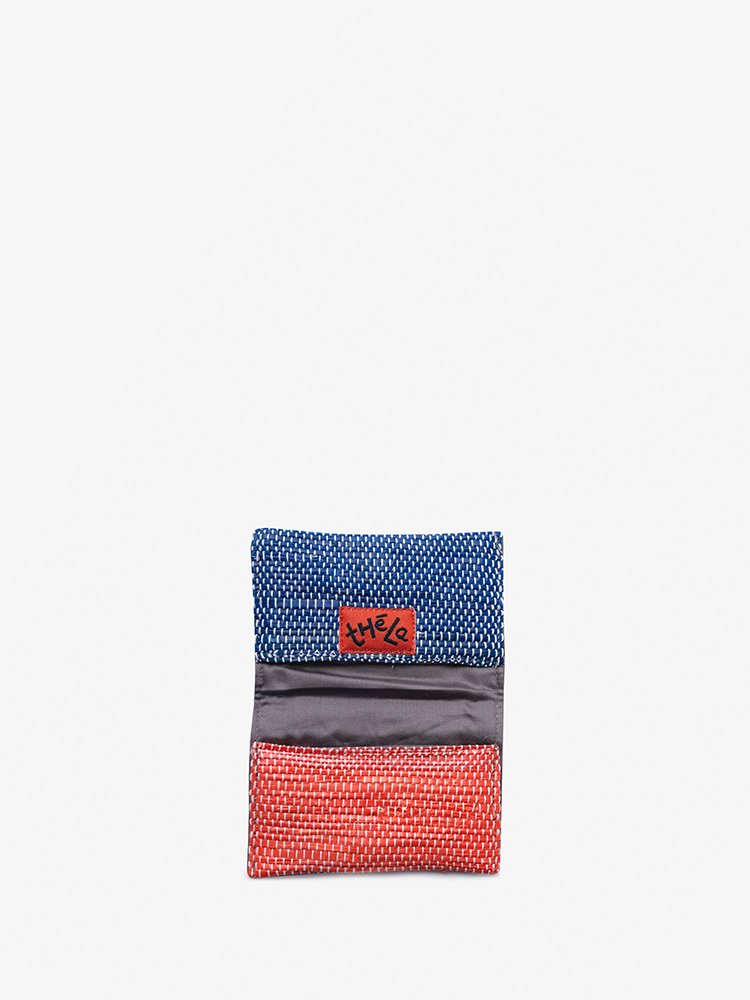
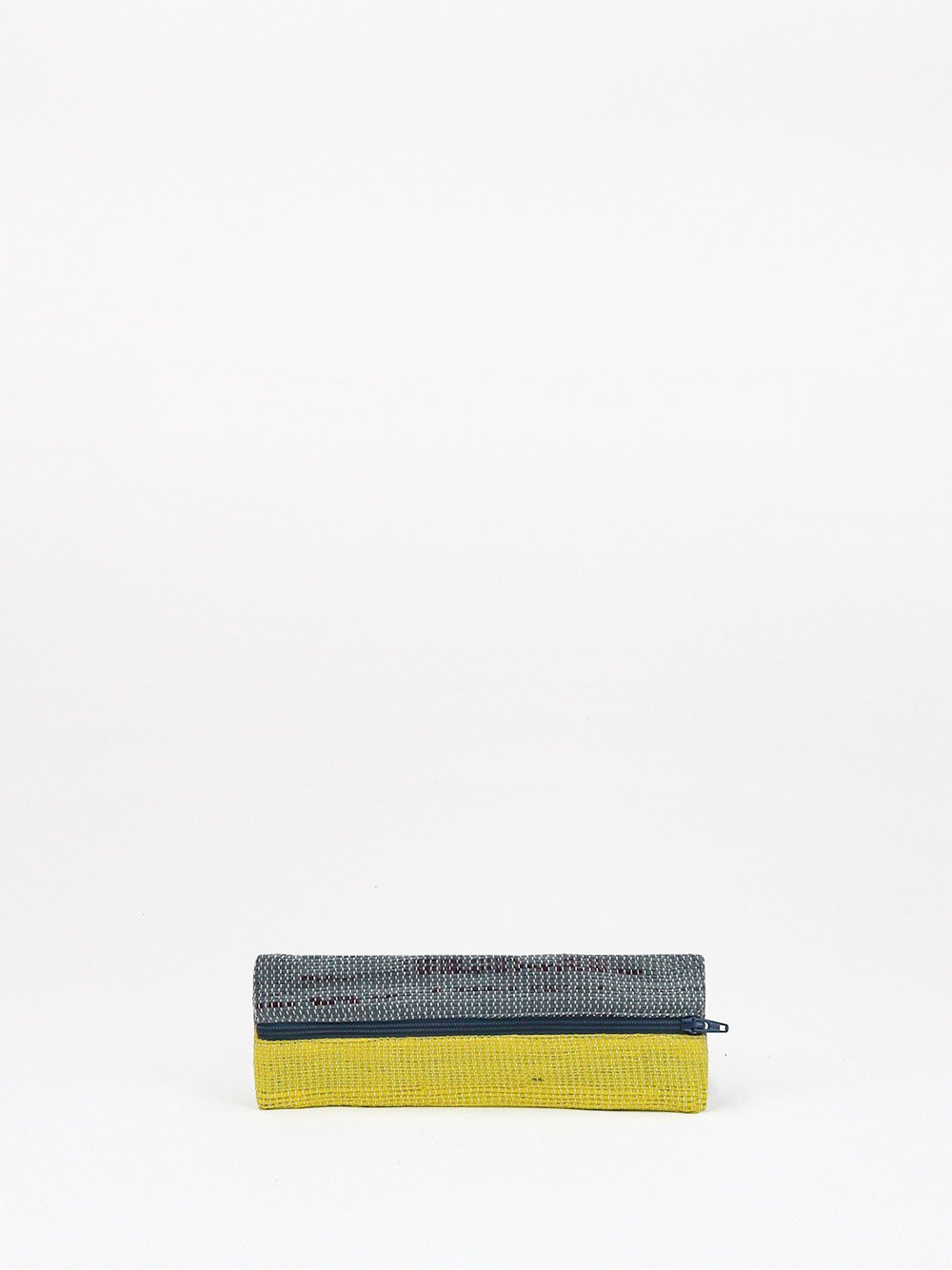
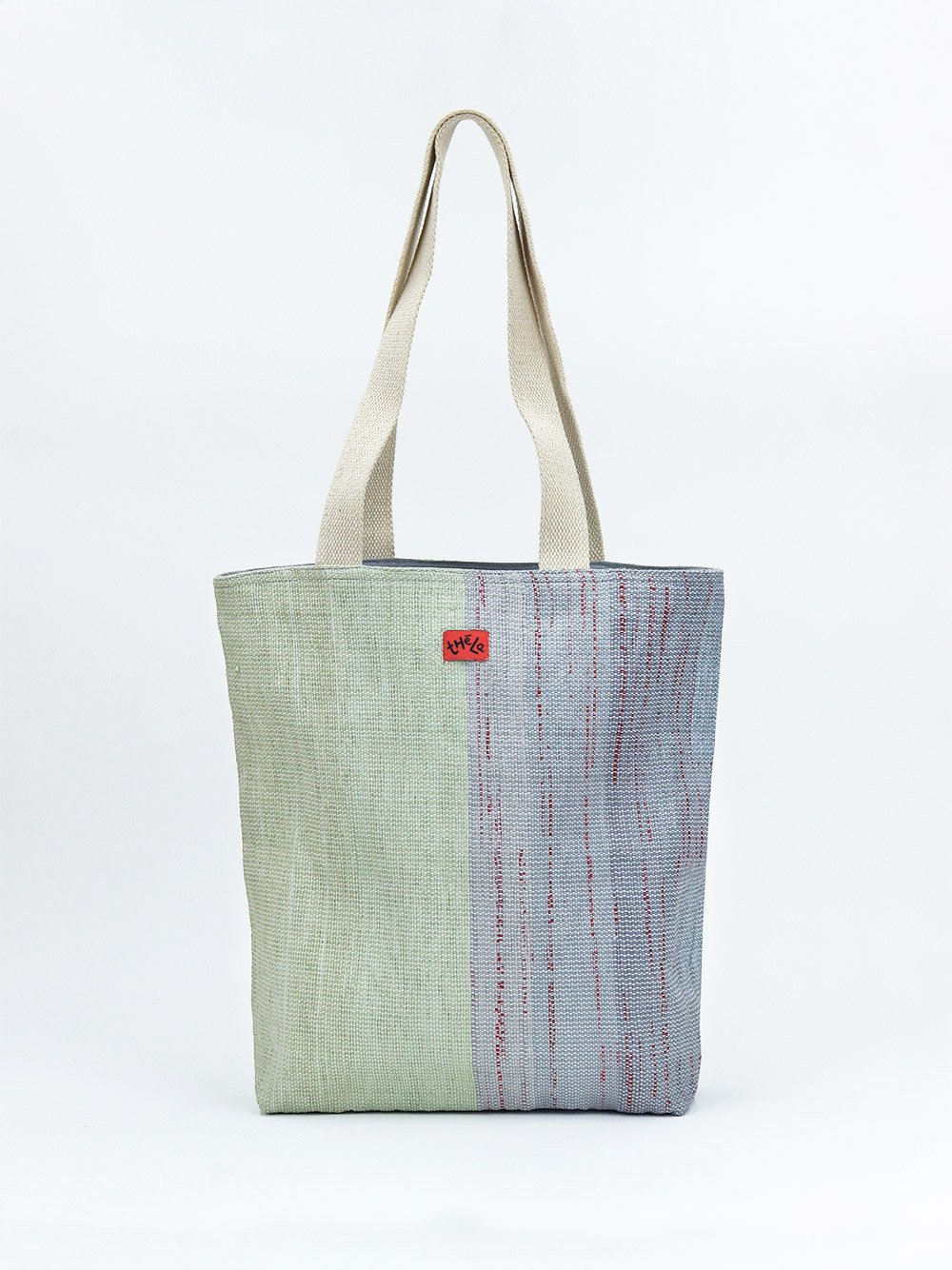
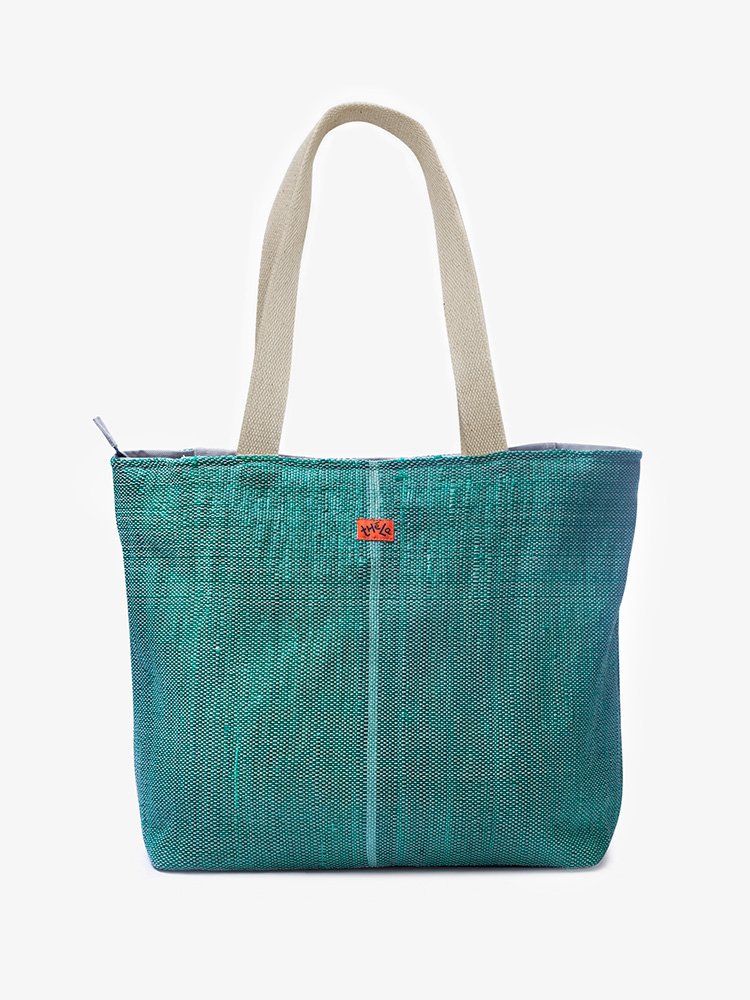
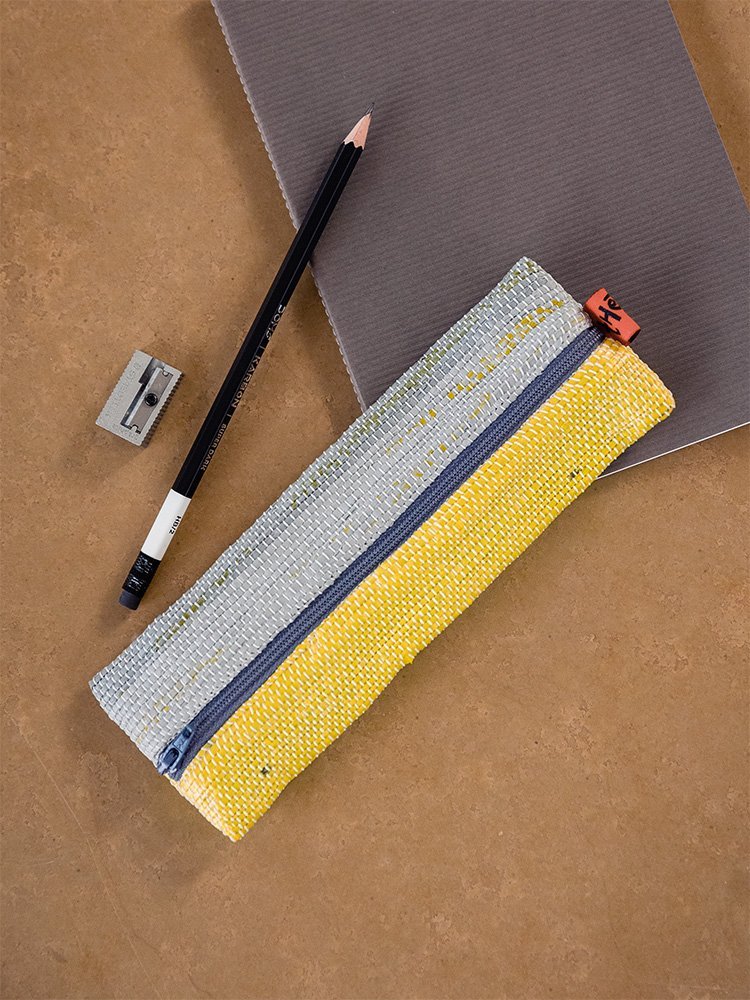
The plastic used in India, she says, comes from waste collection points: larger packaging sheets and sheets used in farming, already discarded and on their way to landfill. One loom is set up for Théla's fabric alone, and each length is woven to the size of the piece it will be tailored into.
Tailored in Mumbai, hardly cut
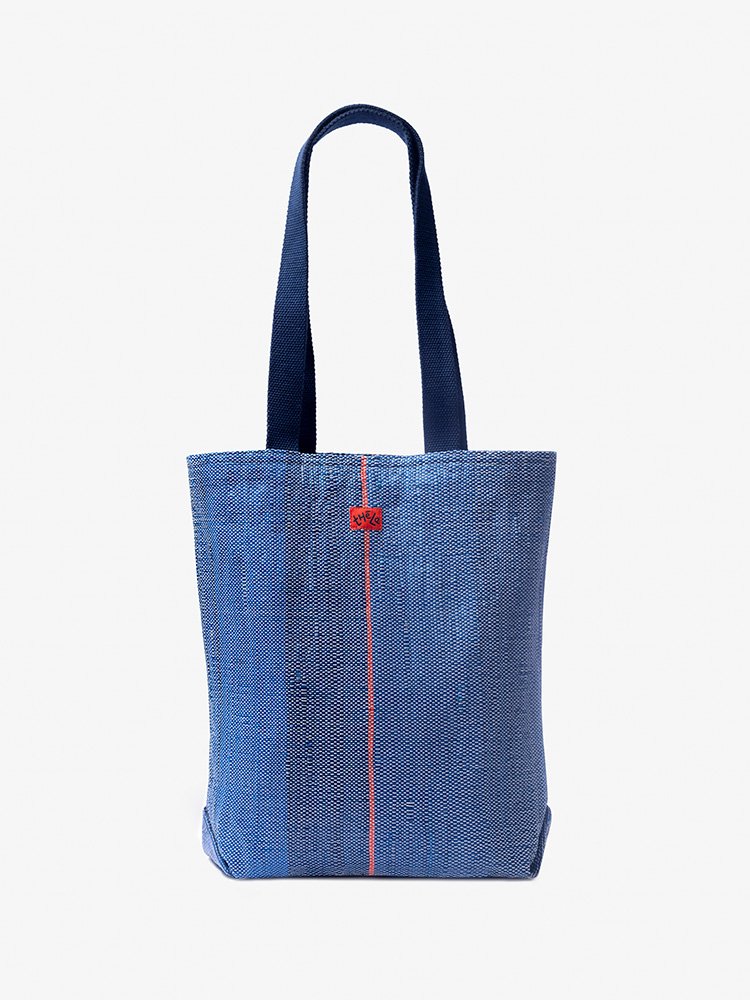
The finished fabric is sewn in Mumbai, partly at a tailoring centre in the city. Her rule there, she says, is to avoid cutting it, so that no small plastic offcuts are left behind. She talks it through with the tailors herself.
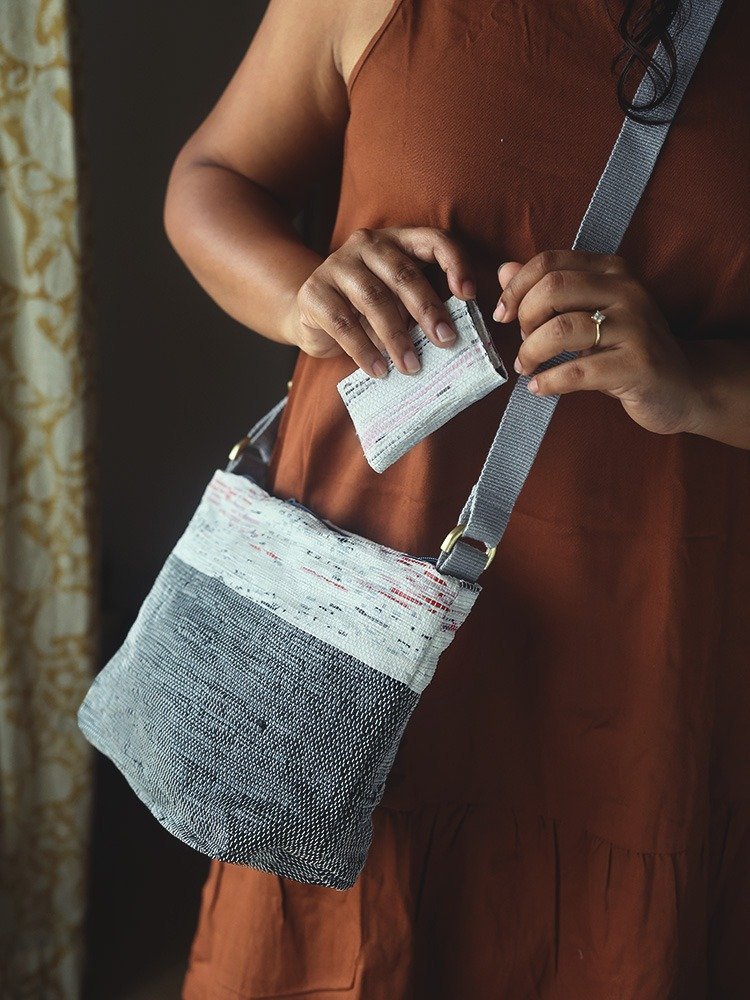
Whatever scraps the sewing still leaves, her tailor keeps, and she gives them to recycling initiatives.