


MIA & SOLE Clothing · Berlin, Germany
Where the drawing and the pattern sit together
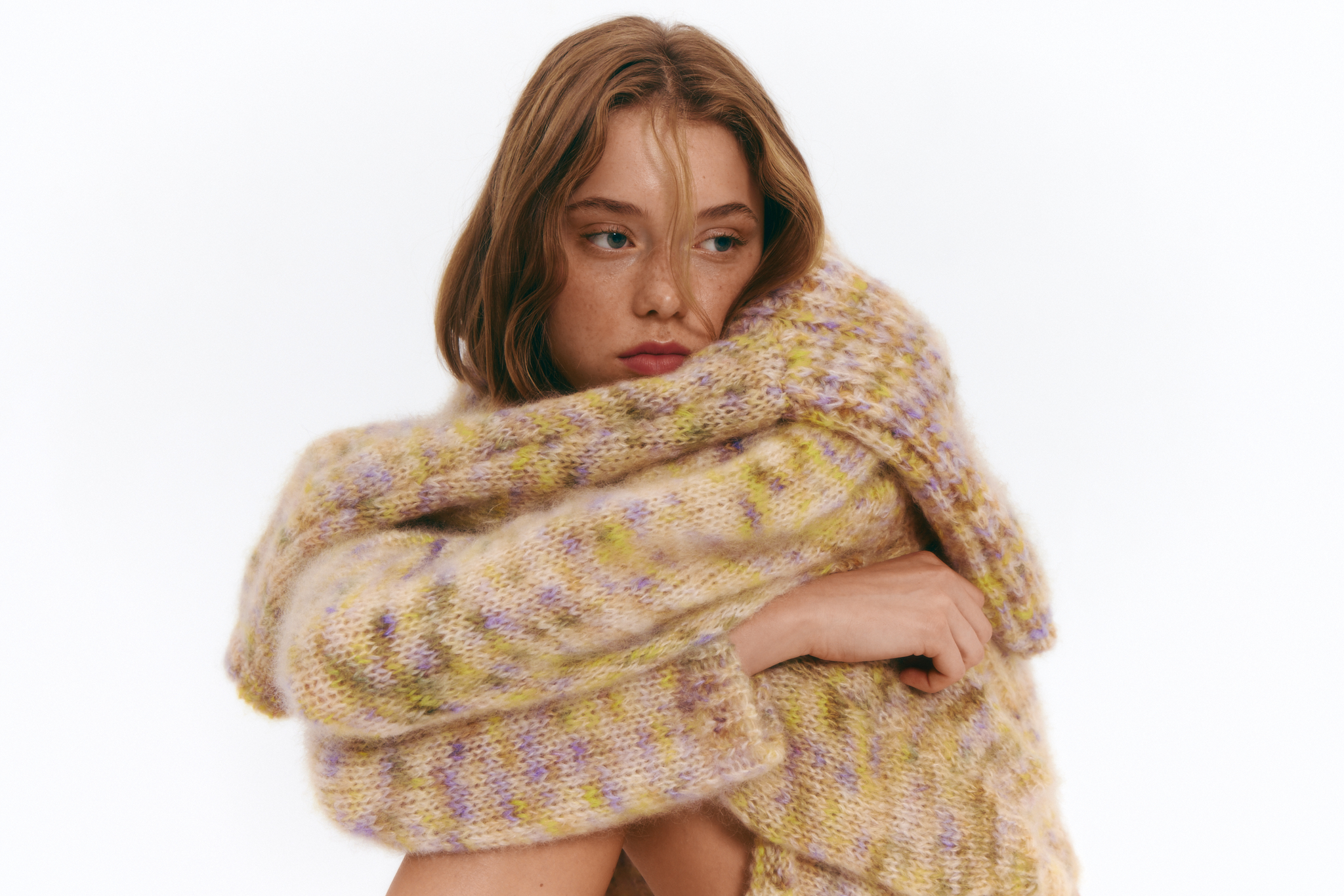
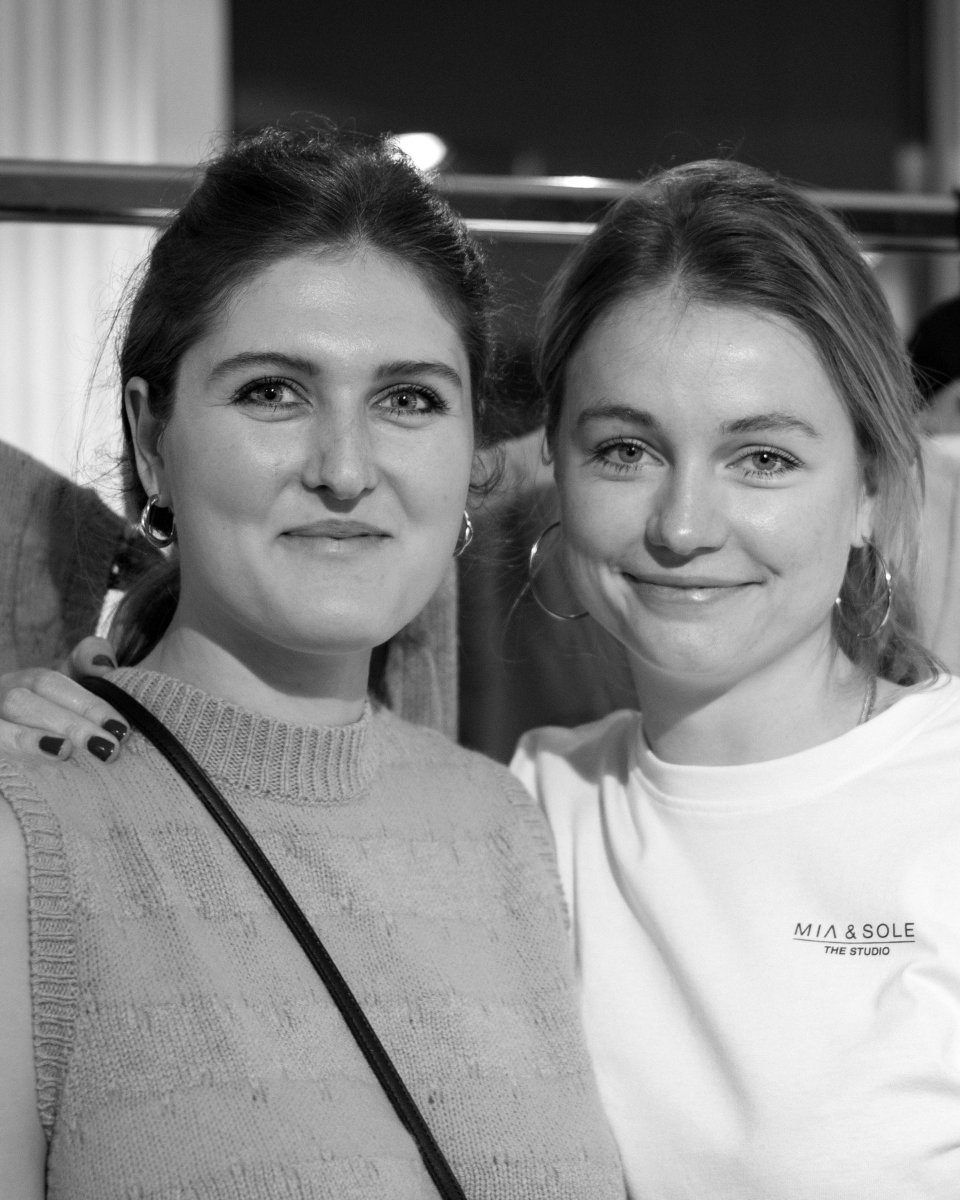
MIA & SOLE makes womenswear that is fitted by hand: fabric ties adjust the shirts and the knitwear, and the same piece is re-worn for a different occasion. Marlene Engel and Sophia Brandis draw the patterns in Berlin.
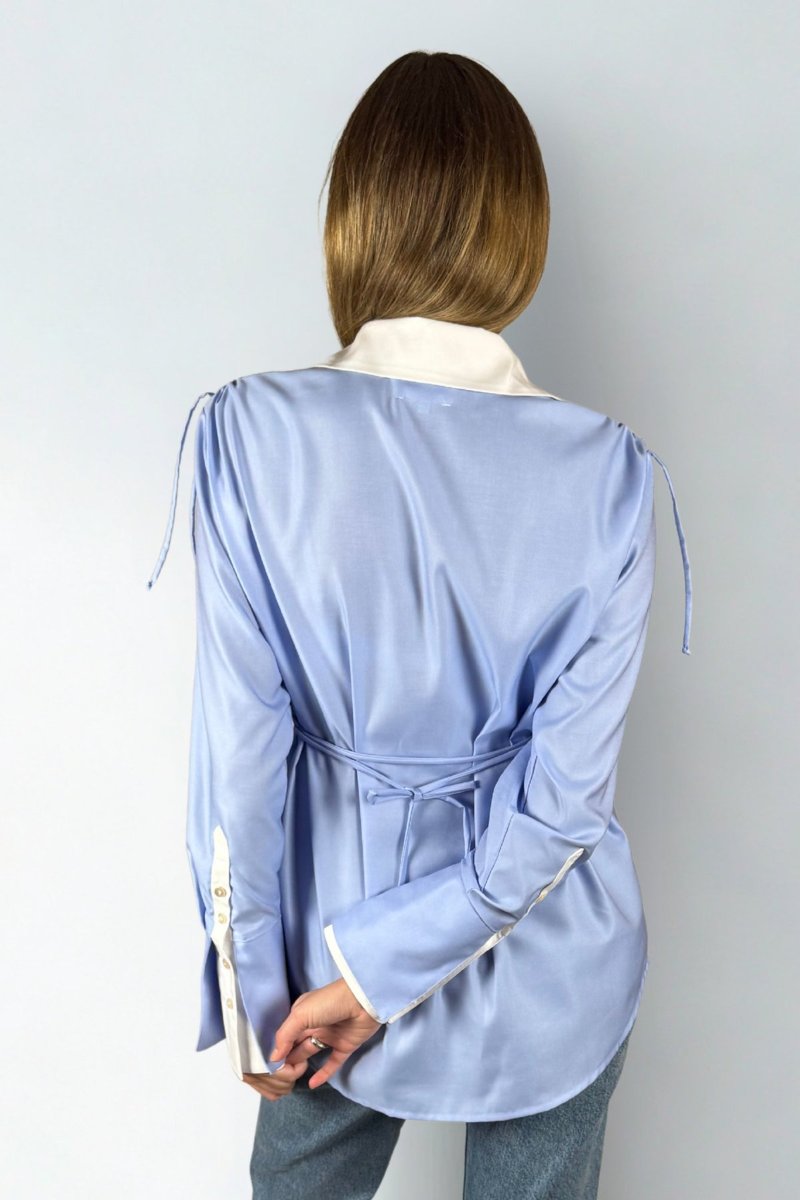
The band at the back waist
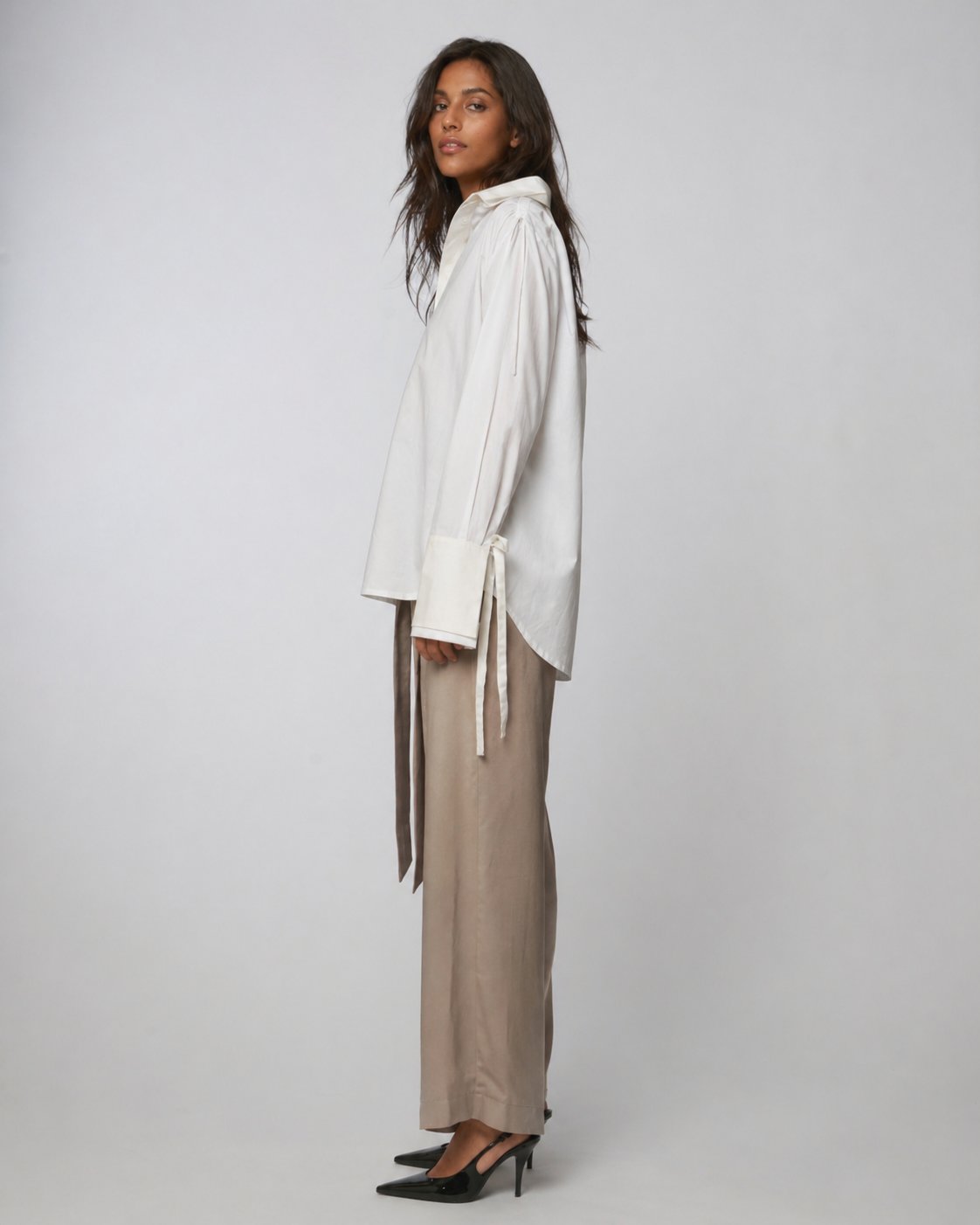
On the back of the blue shirt there is a band. Knotted, it pulls the waist in. Left hanging, or taken out altogether, the shirt goes back to the cut it was drawn as.
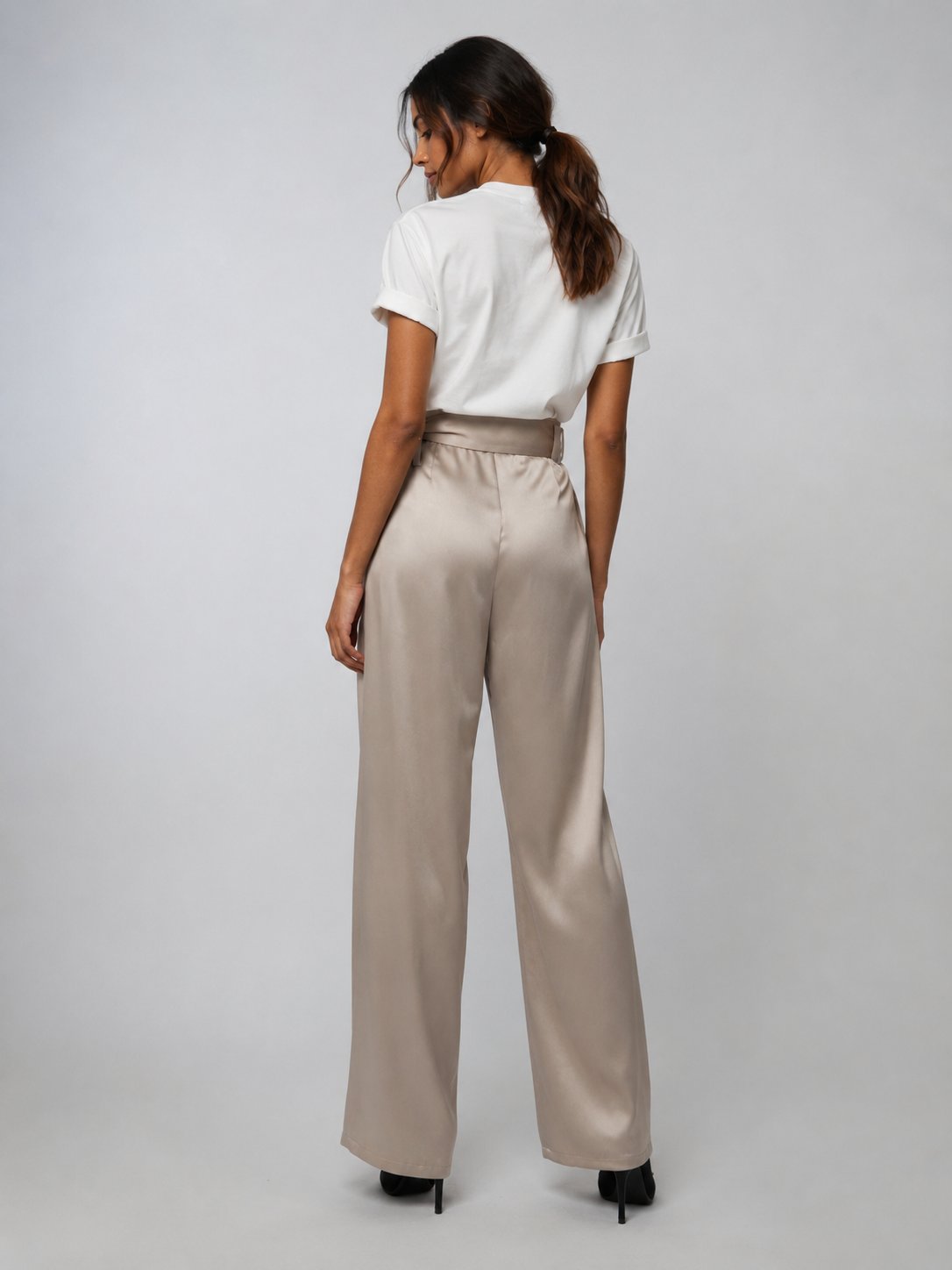
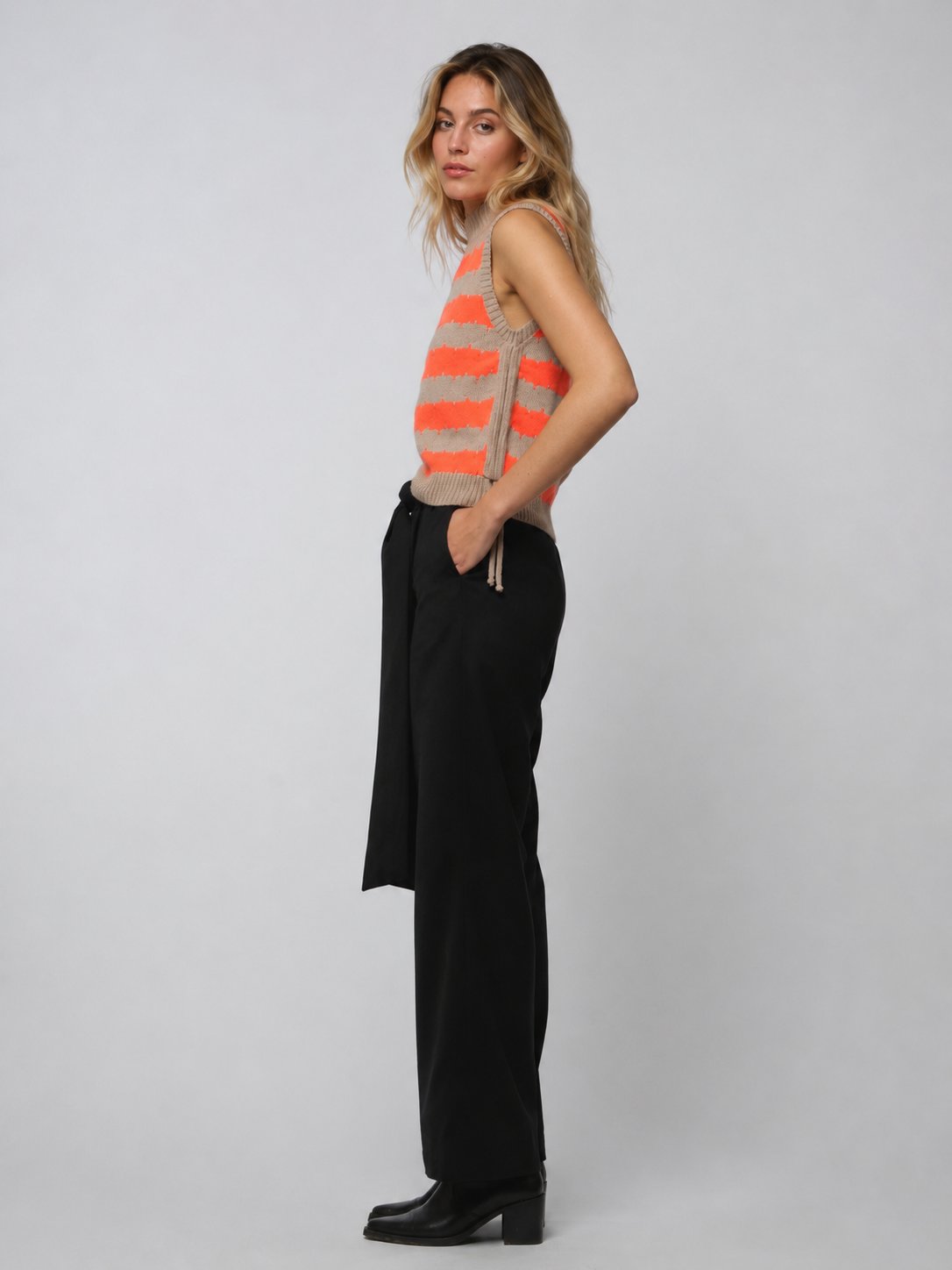
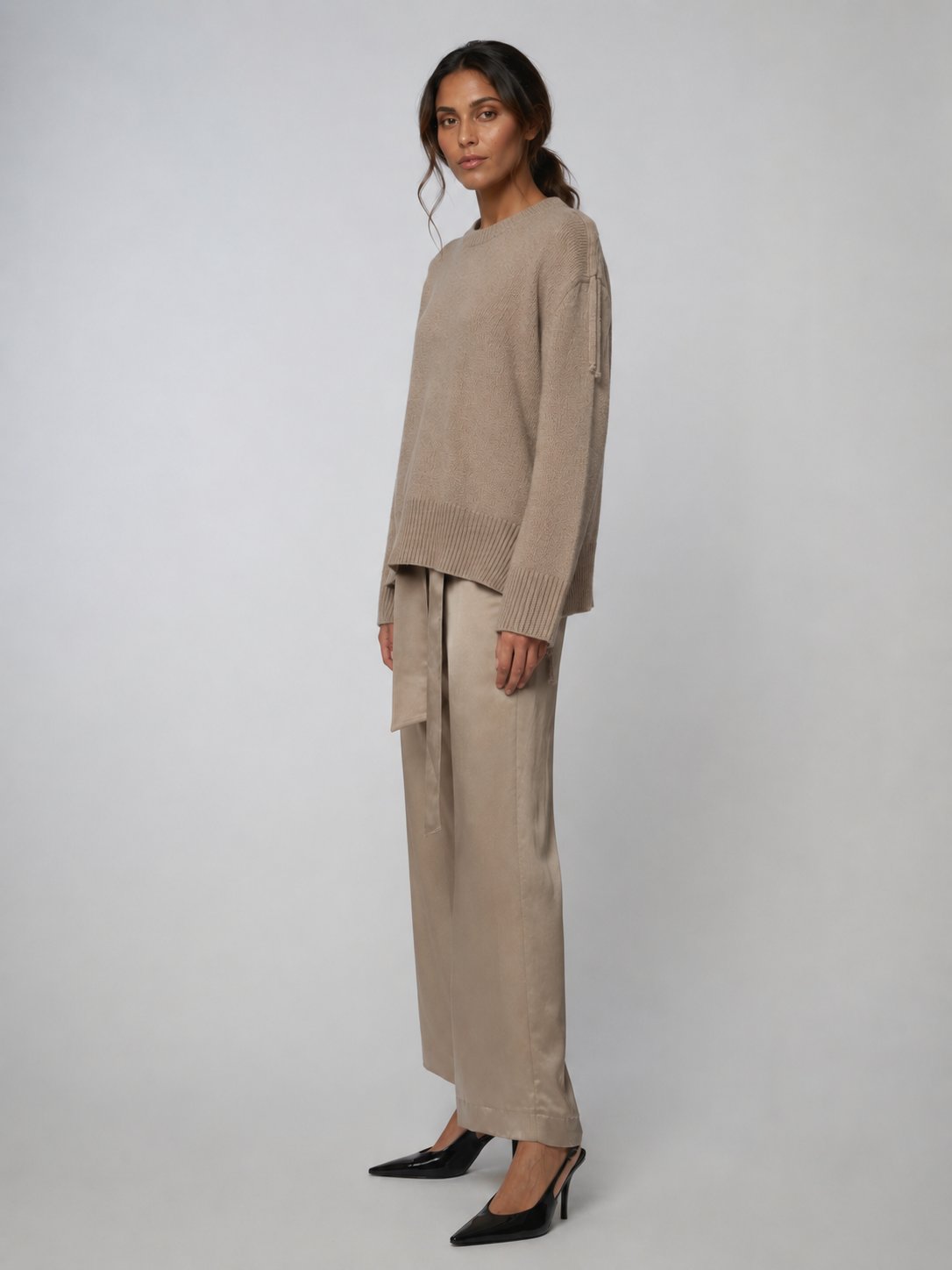
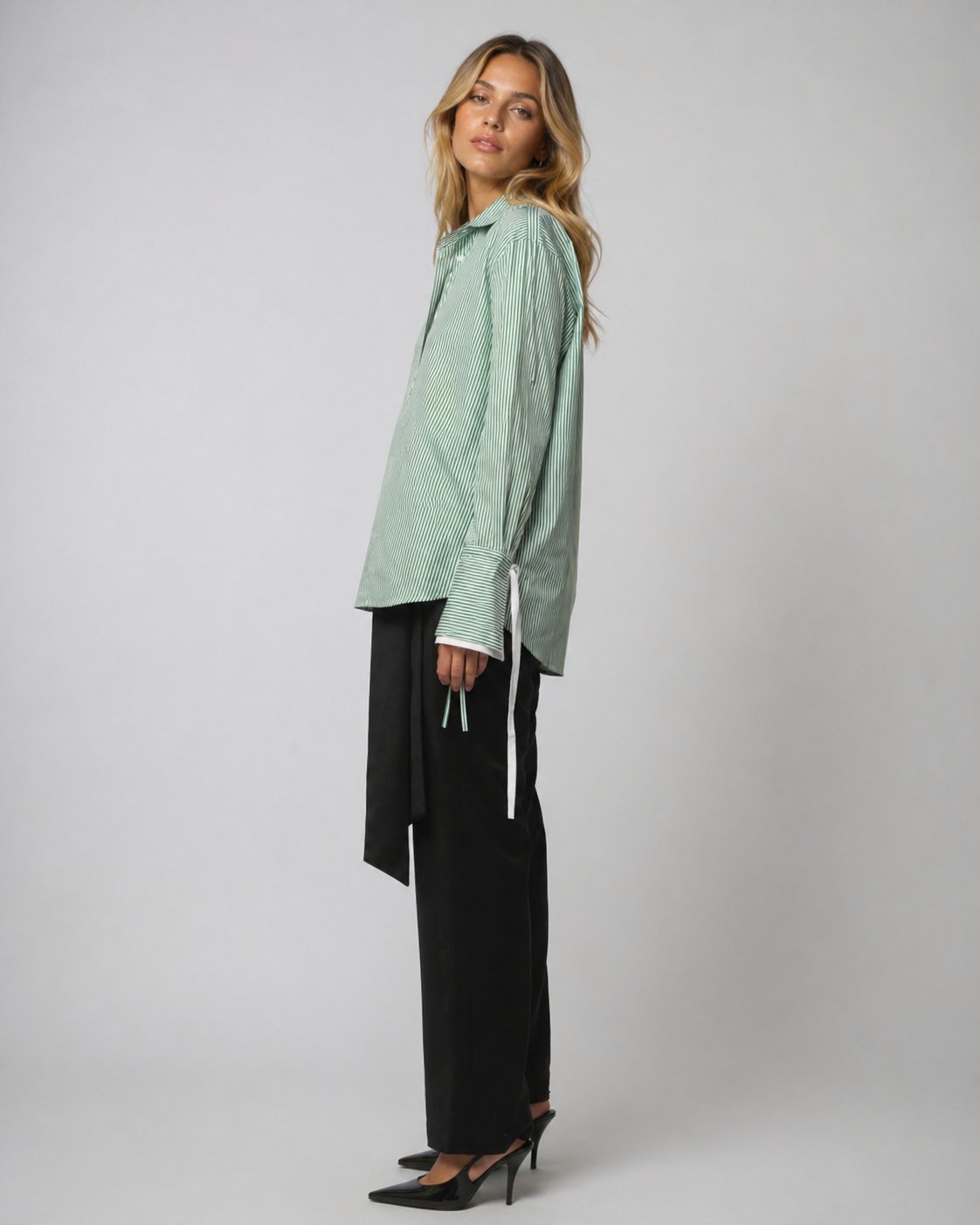
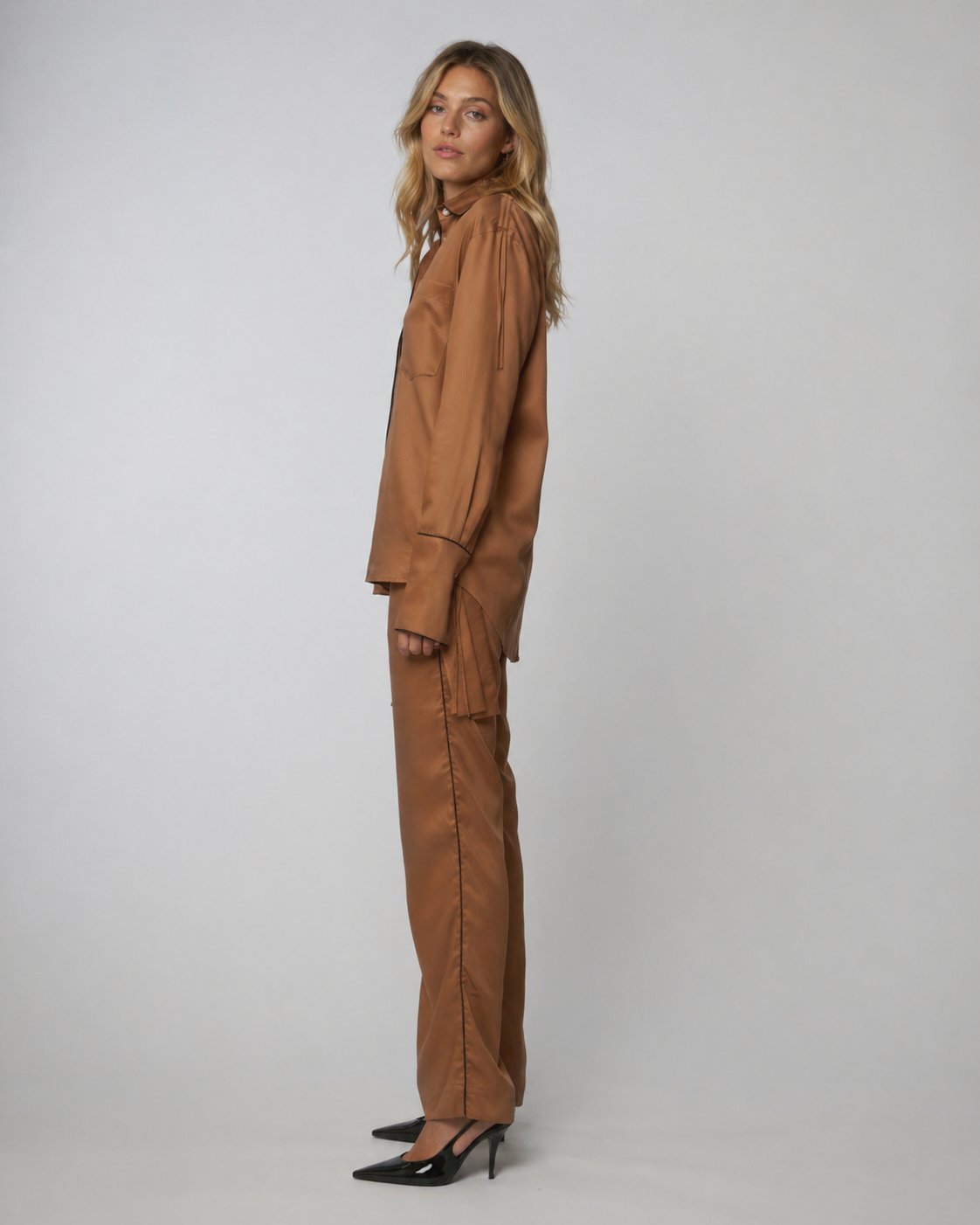
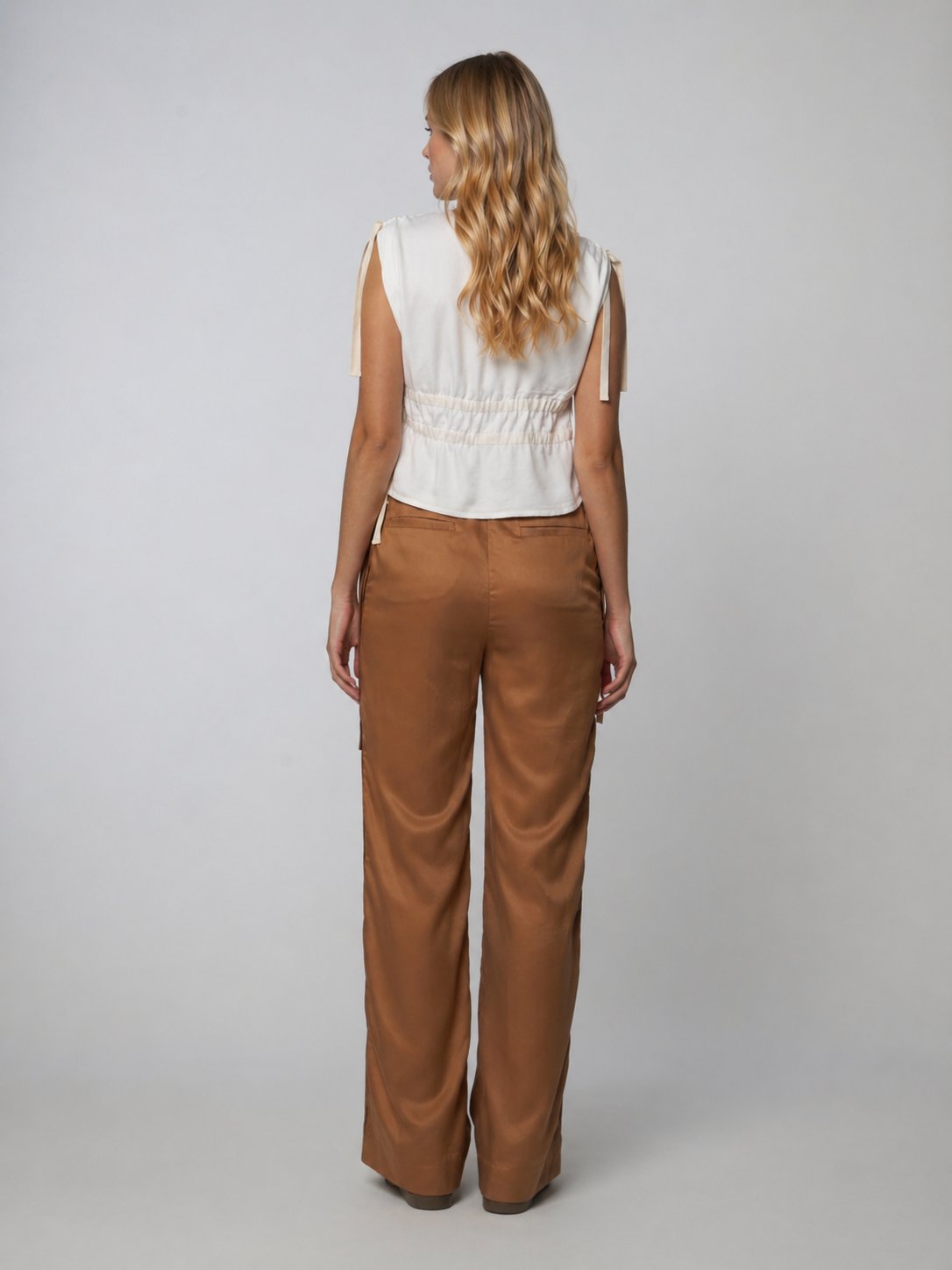
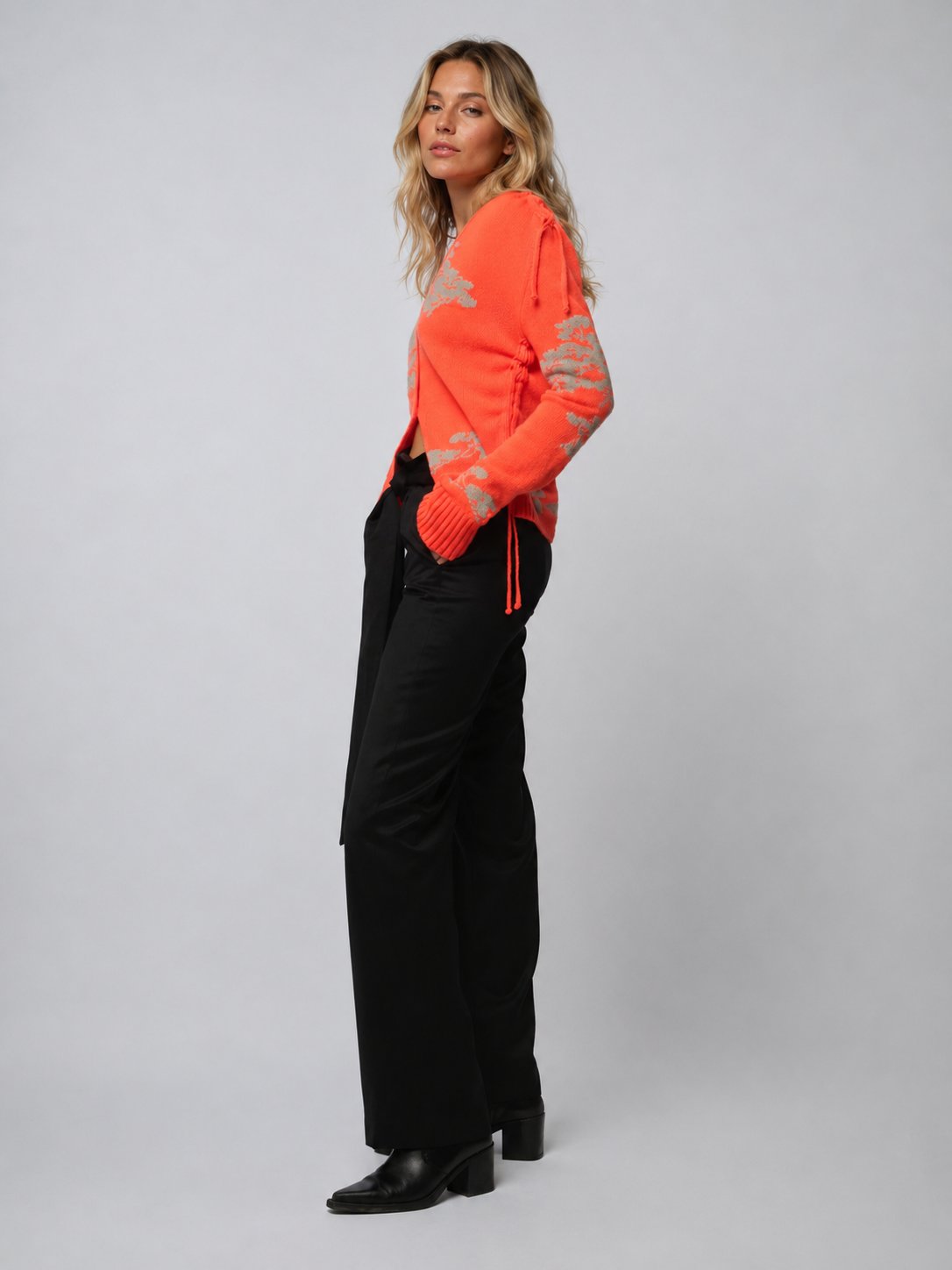
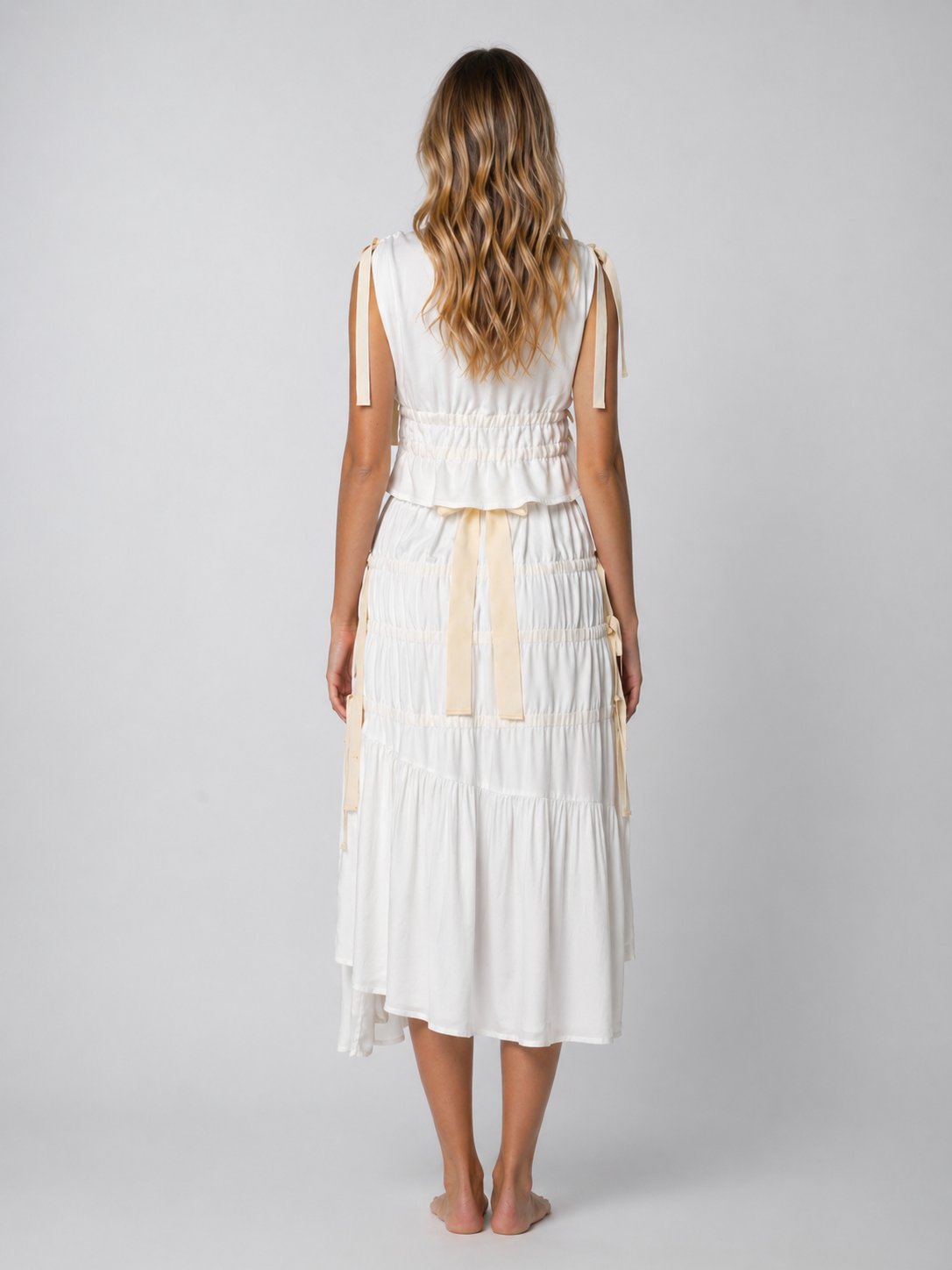
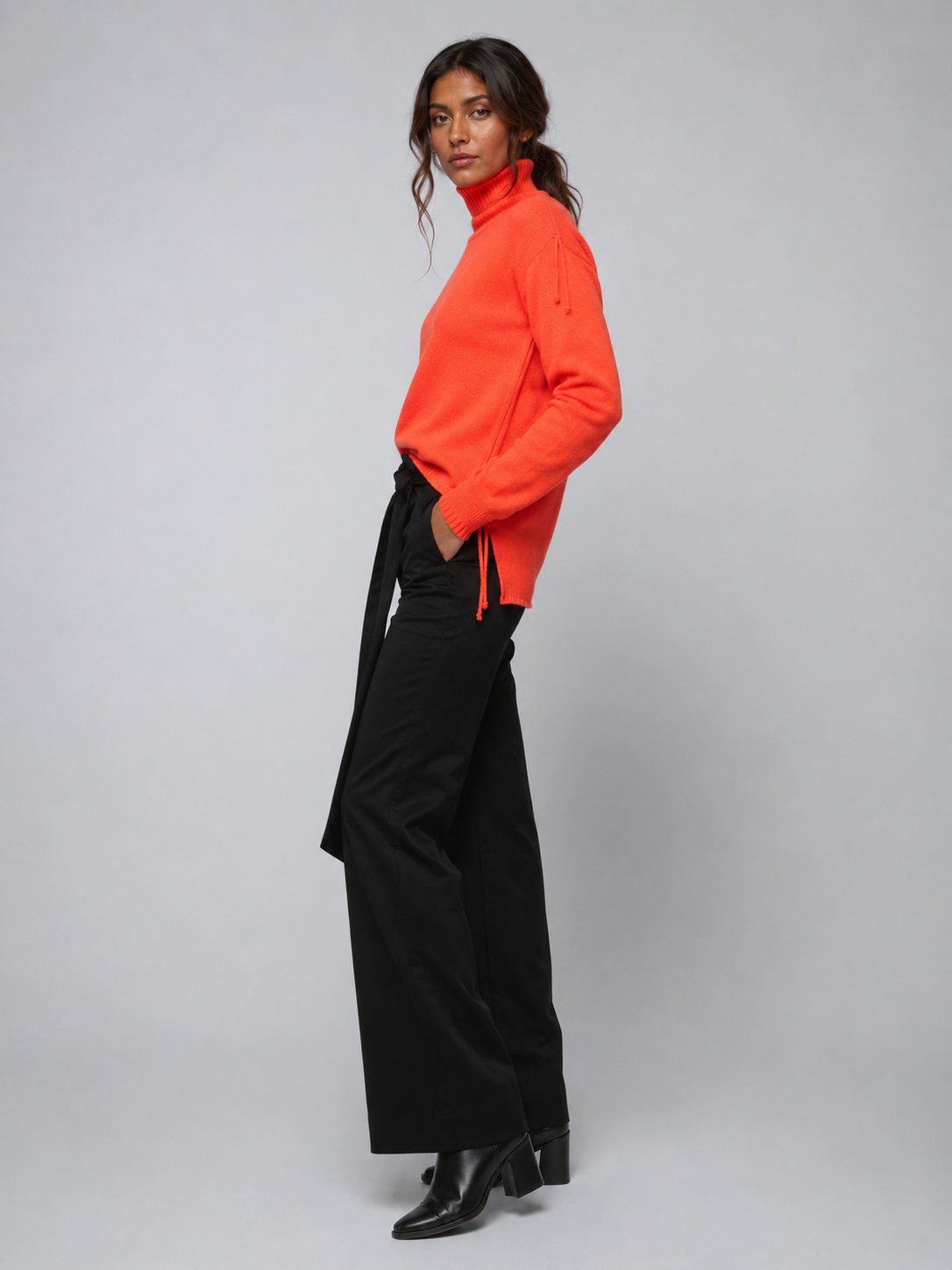
The same cords run through the shirts and the knitwear, set at the shoulders and into the side seams, so a piece can be brought closer to the body or let go in a few seconds. The silk trousers do it differently, with a hem facing of five centimetres so the length can be let down. Sizes run S/M and M/L on the knitwear, three of the shirts, the silk trousers and the T-shirt, and S, M and L on the two dresses, the concept top and skirt and the two set pieces.
Sleeves off, sleeves back on
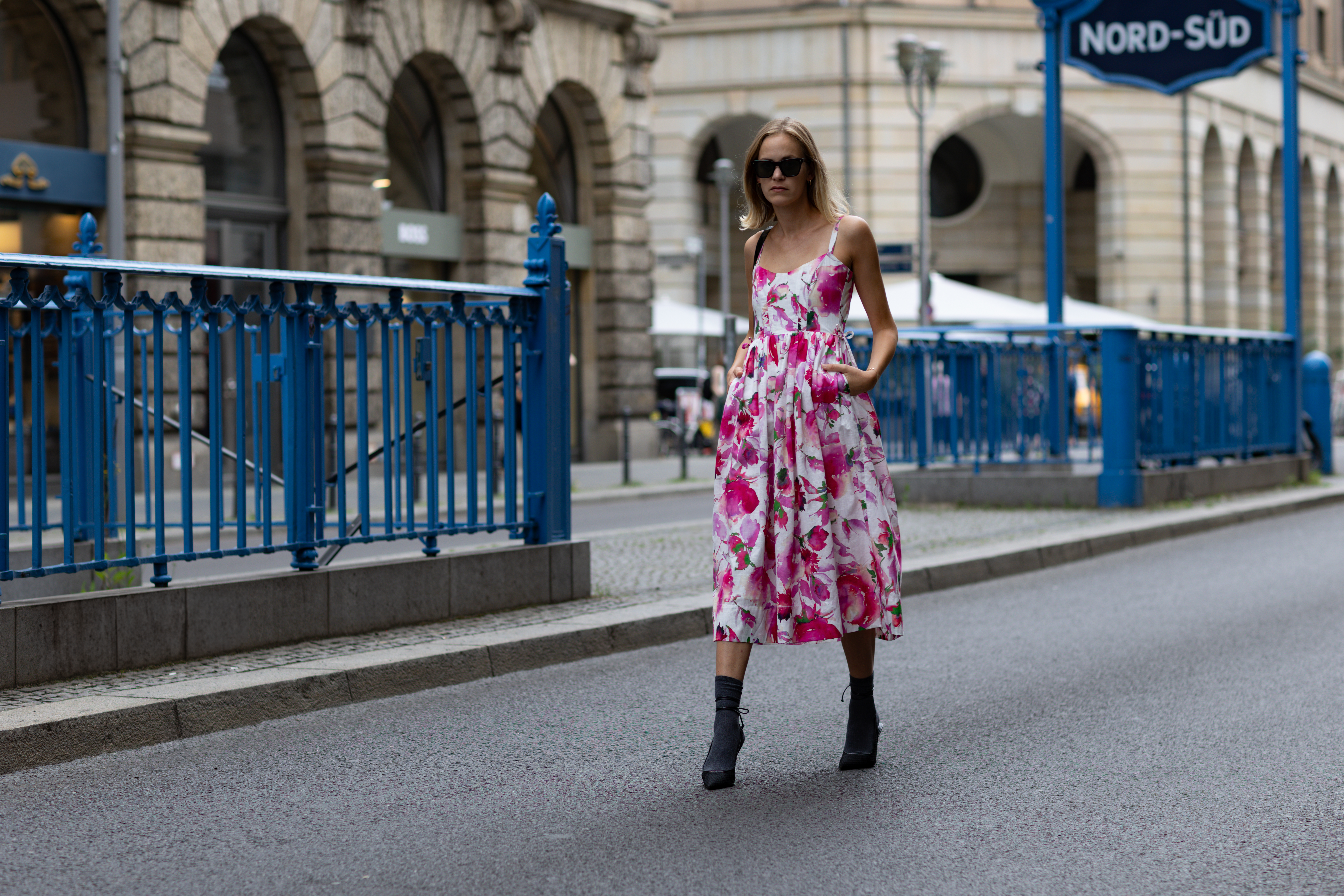
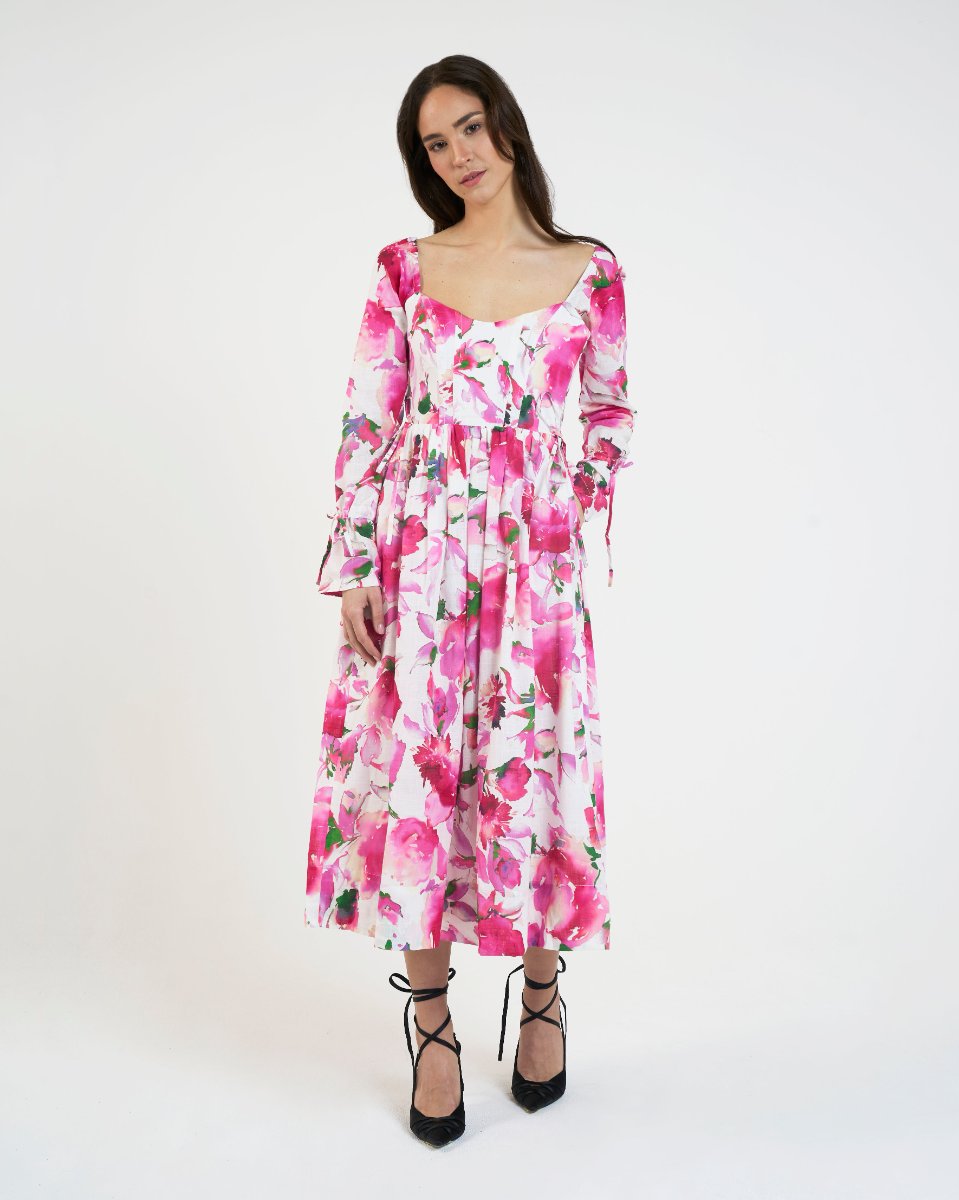
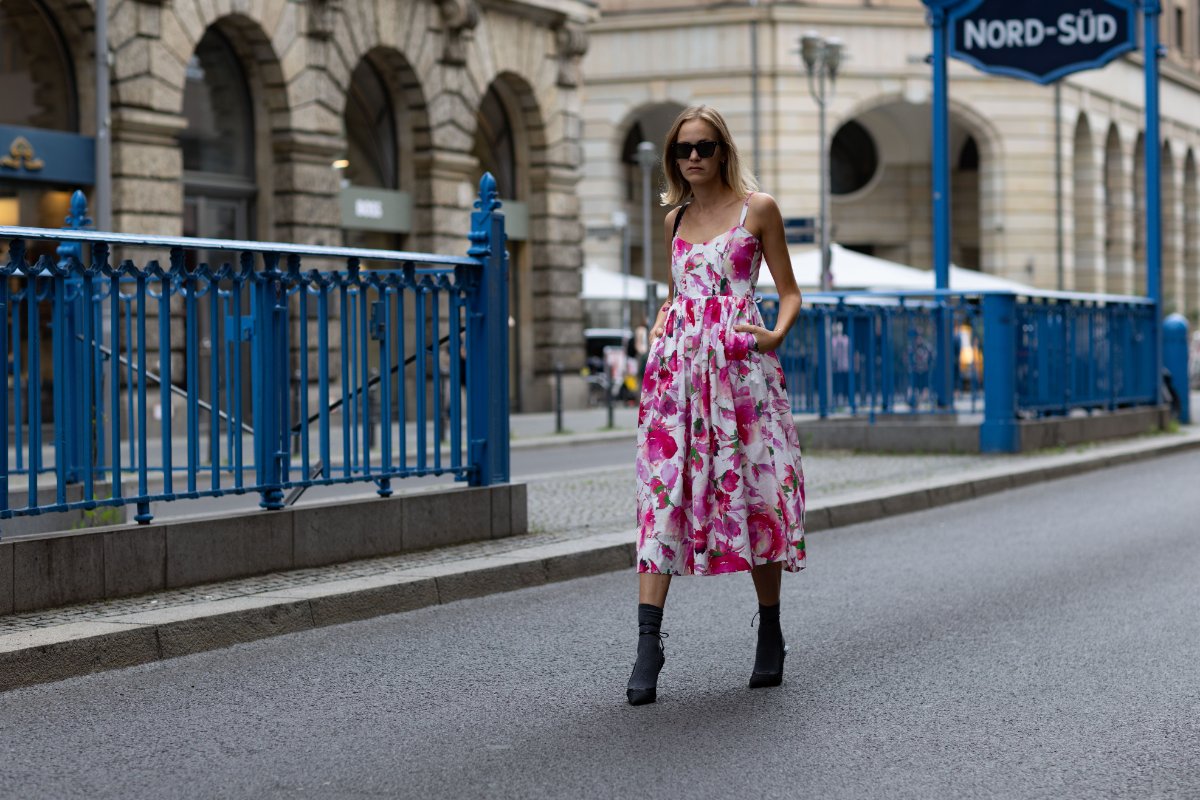
On the two long dresses the change happens at the shoulder. THE PINK BLOOM DRESS and THE GREEN GARDEN DRESS each come in four configurations: strapless, spaghetti straps, short, long. The sleeves are changed with buttons.
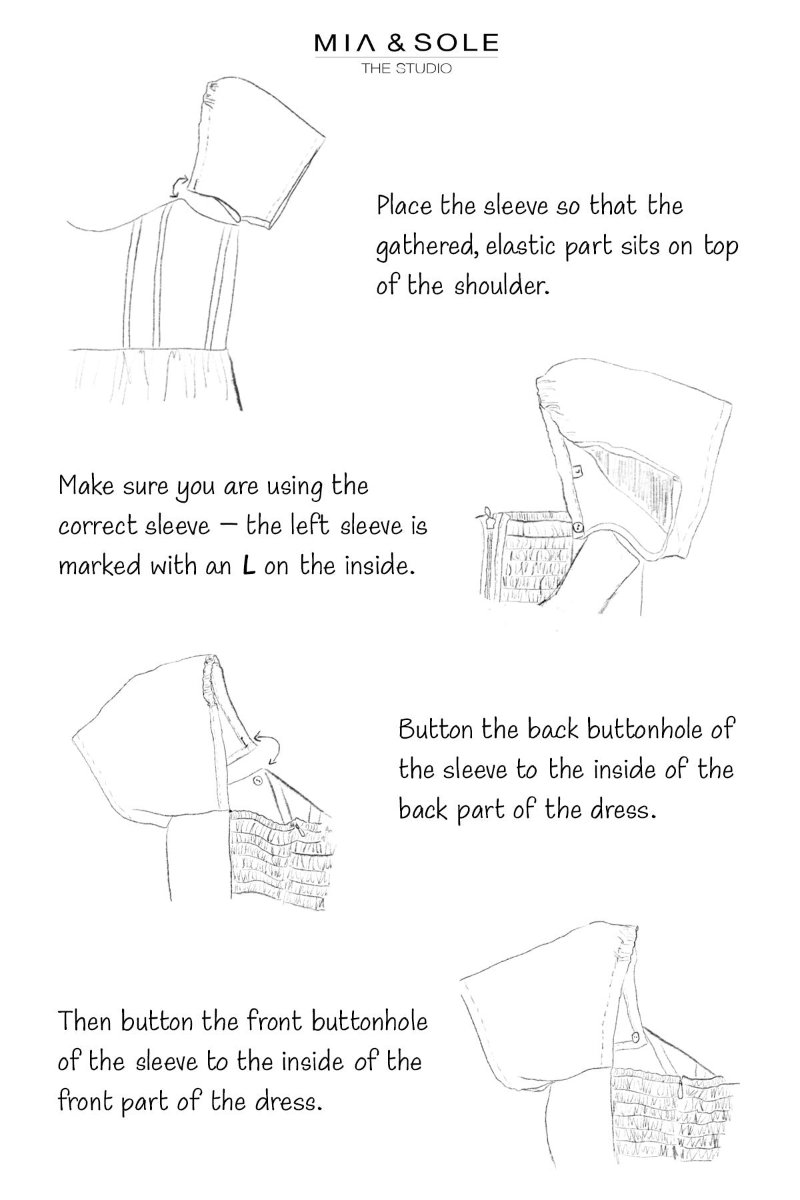
The brand's own drawing sets out the order. The gathered, elastic part of the sleeve sits on top of the shoulder. The left sleeve carries a small L on the inside, which is how the pair stays sorted. The back buttonhole fastens to the inside of the back of the dress, and the front buttonhole to the inside of the front.
The buttons are river shell, 100 per cent recycled and GOTS certified. The label describes the dress as one that can be styled differently and adapted to another season or another occasion.
Knitted in Lithuania, sewn in Poland
The patterns are drawn in Berlin, close enough to the design for the two to be worked on together, so a change can be made quickly. Prototypes go onto models in several sizes, usually over more than one round, before the shape is settled. The knitting is done in Lithuania, in 90 per cent fine wool and 10 per cent cashmere. The wool and the cashmere are sourced in Italy. The shirts, the trousers, the concept top and skirt and both dresses are sewn in Poland, and the jersey for the T-shirt is made in Portugal. The contrast fabric inside the shirts is deadstock, left from other companies' earlier production, so there is only ever as much of it as was left. The founders keep the runs small.
The clothes come with the changes built in, and the wearer takes it from there.