




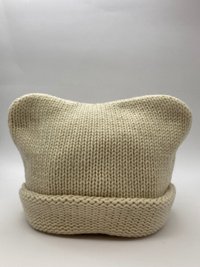
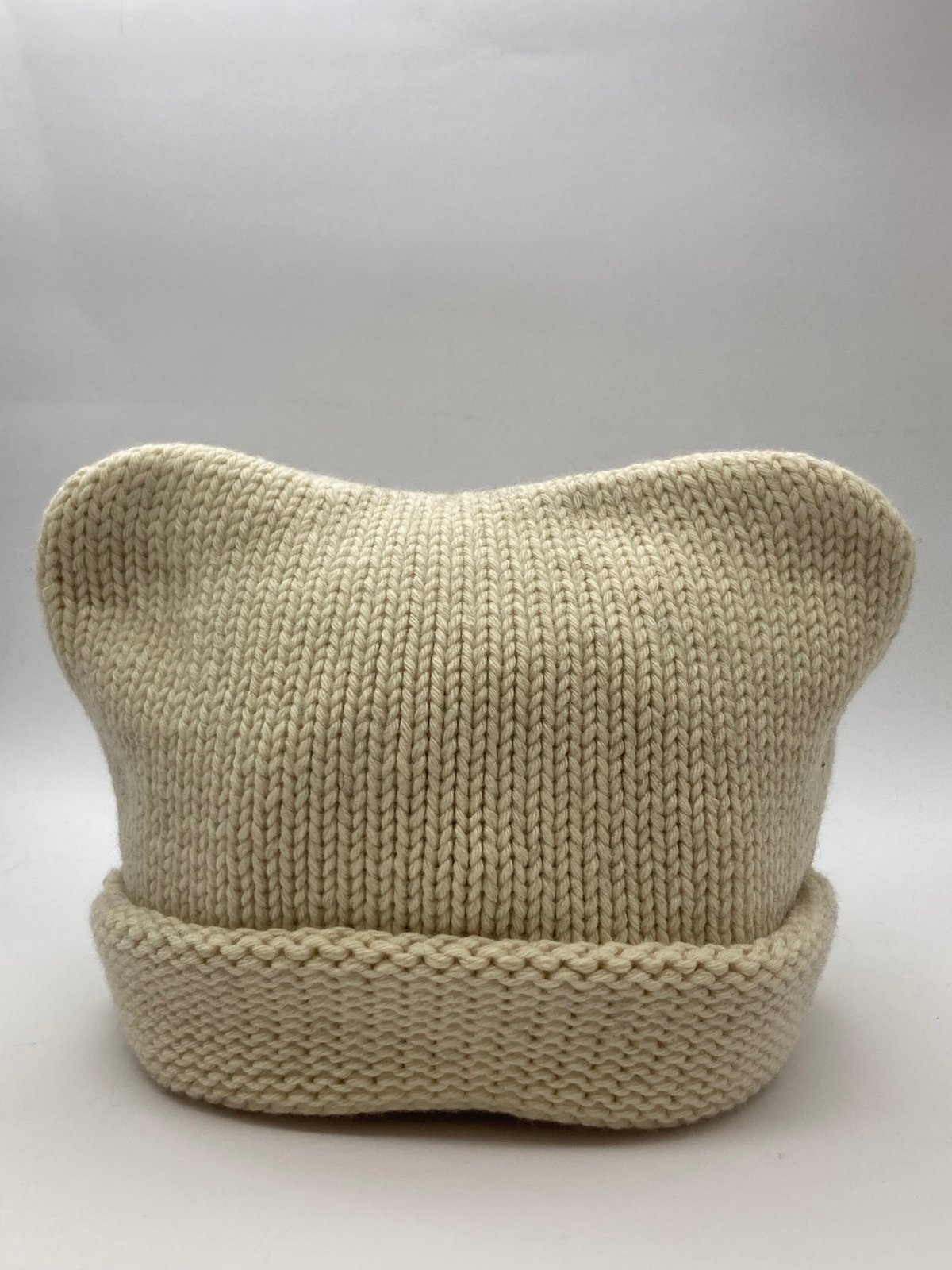
ZAMT-BERLIN Clothing · Berlin, Germany
Every bag answers to a first name
Zisan Buga and Max Reinhardt run a label with no single country behind it. Its signature bags are made in Poland, the leather is chosen elsewhere, and every other object answers for itself.
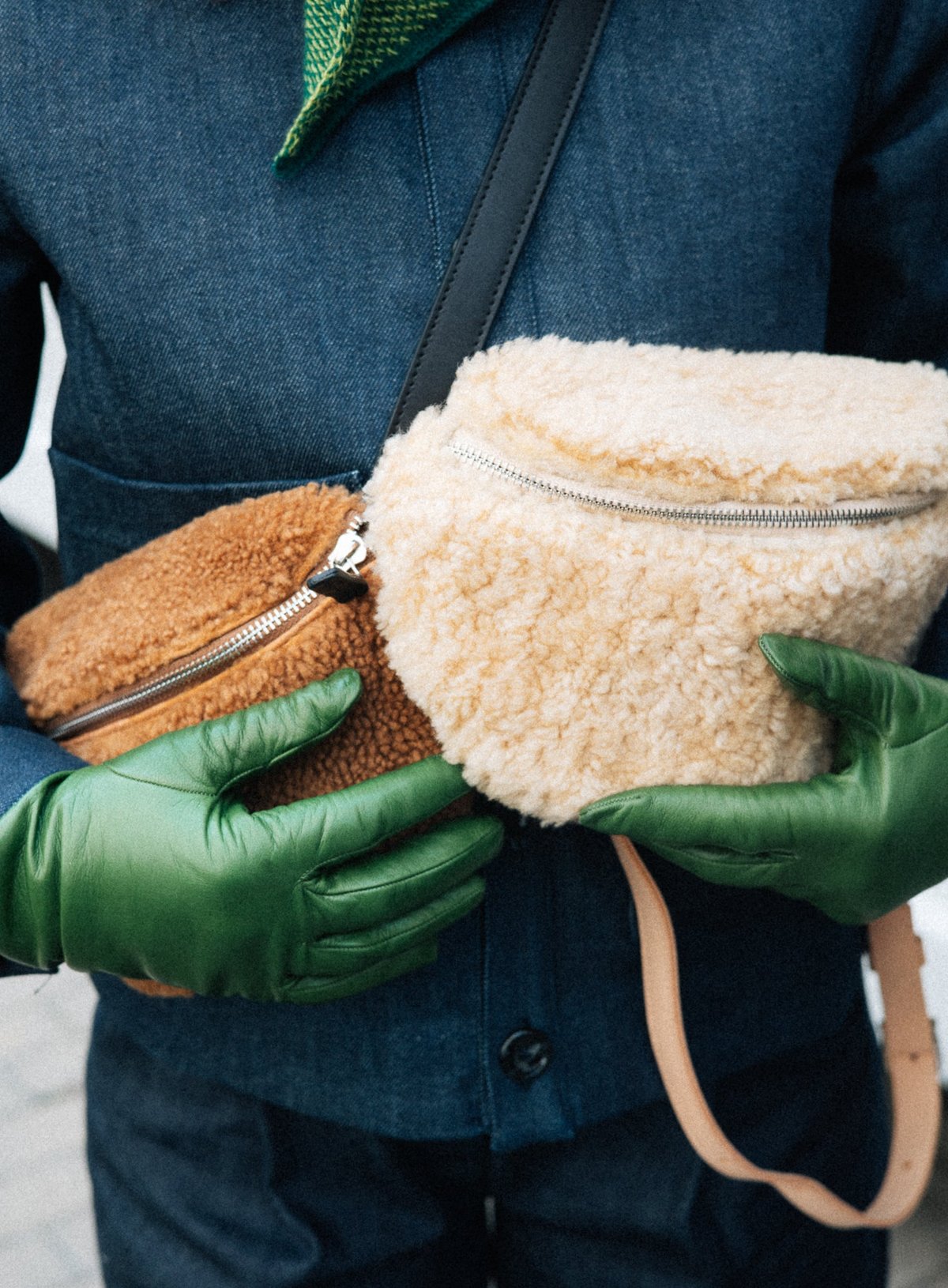
Django, Can, Rin, Leah, Elliot, Mavi, Charly, Finchie. The naming runs deep into the catalogue, past the bags to a card holder called Nuri, a belt called Edie, a pencil case called Zoe, and the label's own name is built the same way, out of the two people who run it. A house that names its objects is treating them as individuals rather than as stock. The labels underneath them are just as specific, one object at a time.

What the labels say
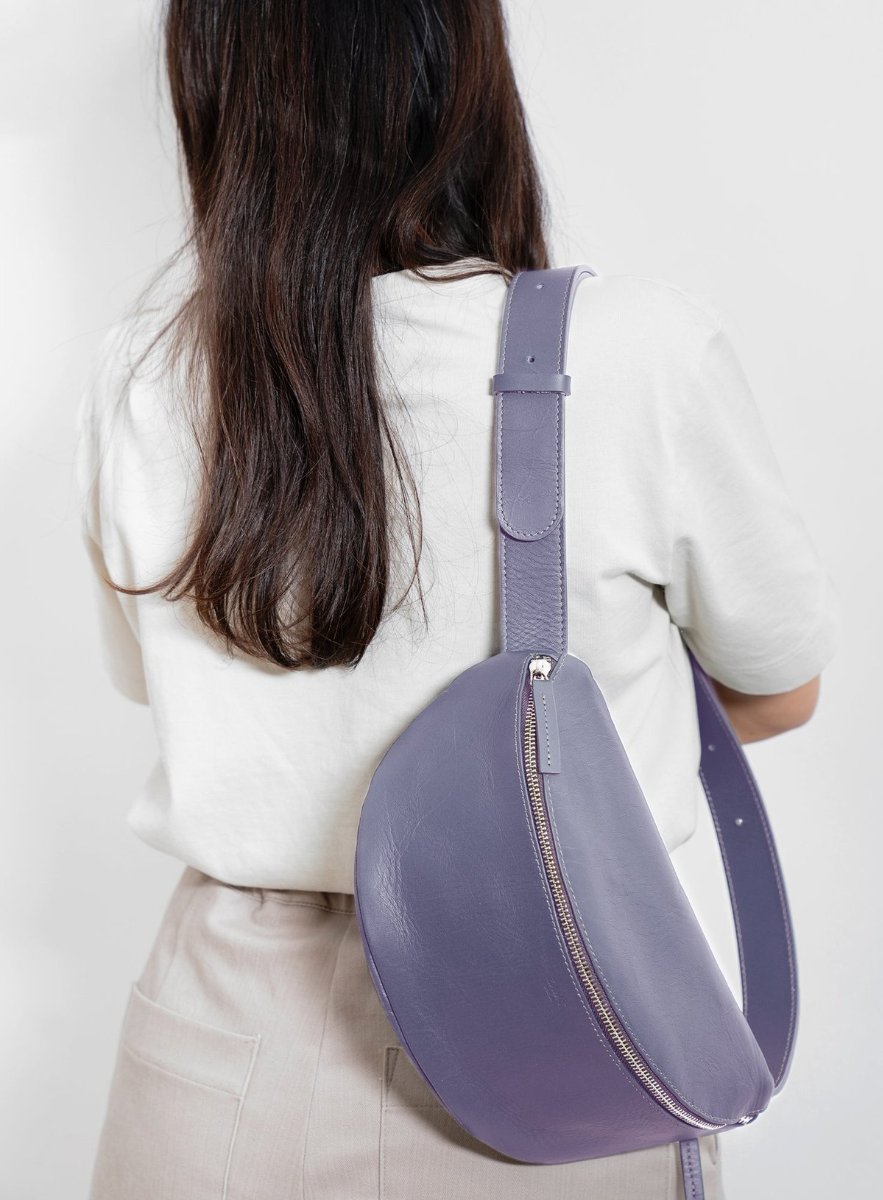
Every named signature bag carries the same line: Handmade in Poland. Around a hundred listings say it, and the copy under them credits a team of skilled Polish artisans.
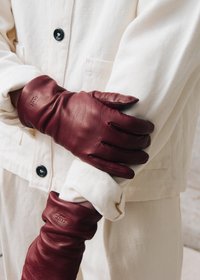
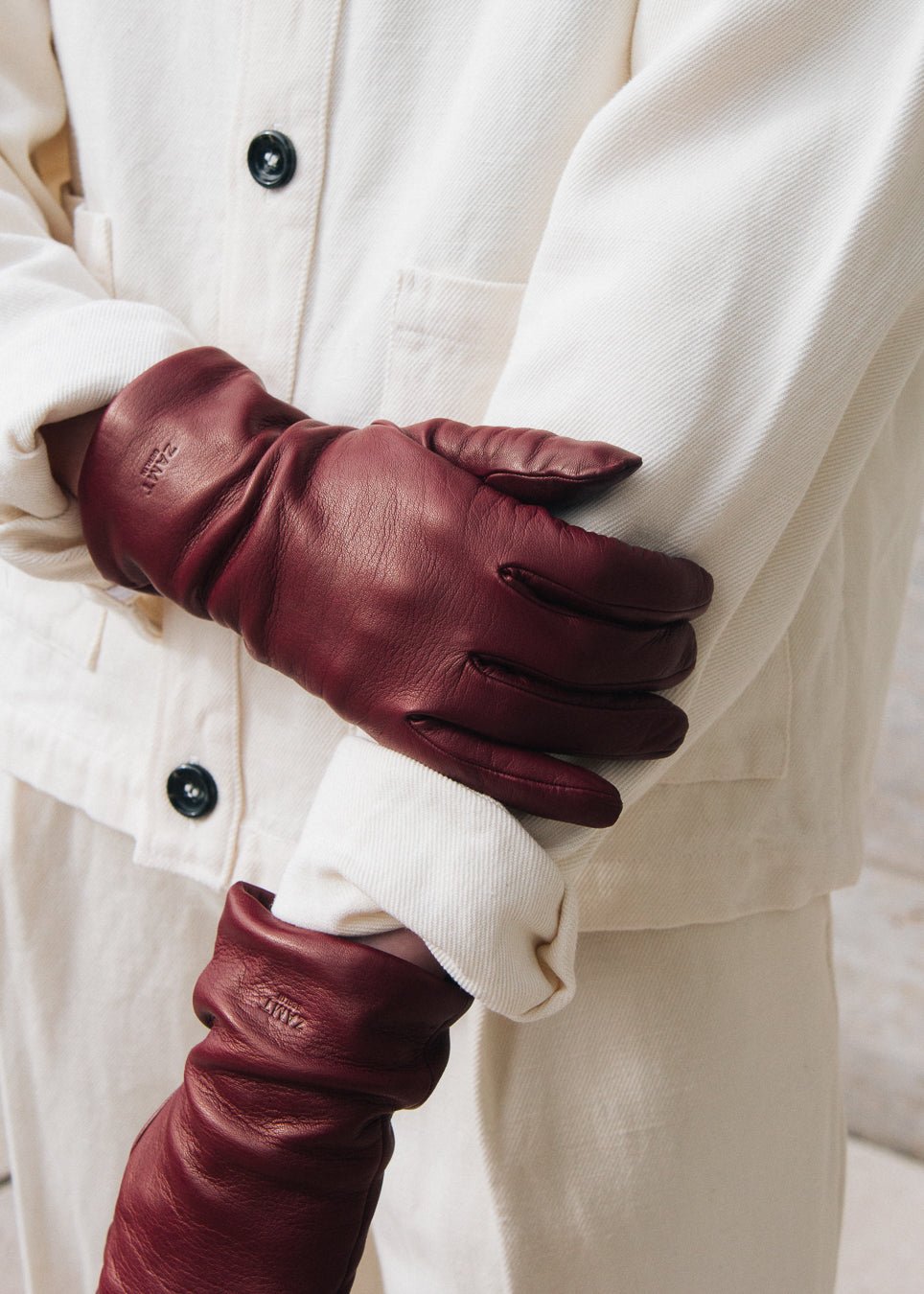
Where the leather comes from is a separate sentence, and the label keeps it separate. Much of it is selected in Italy, from tanneries in Tuscany that the brand describes in the plural and never names. The Django's nickel-free metal fittings are made in Italy too. The heavy canvas on the Finchie is made in France. The bag is put together in Poland.
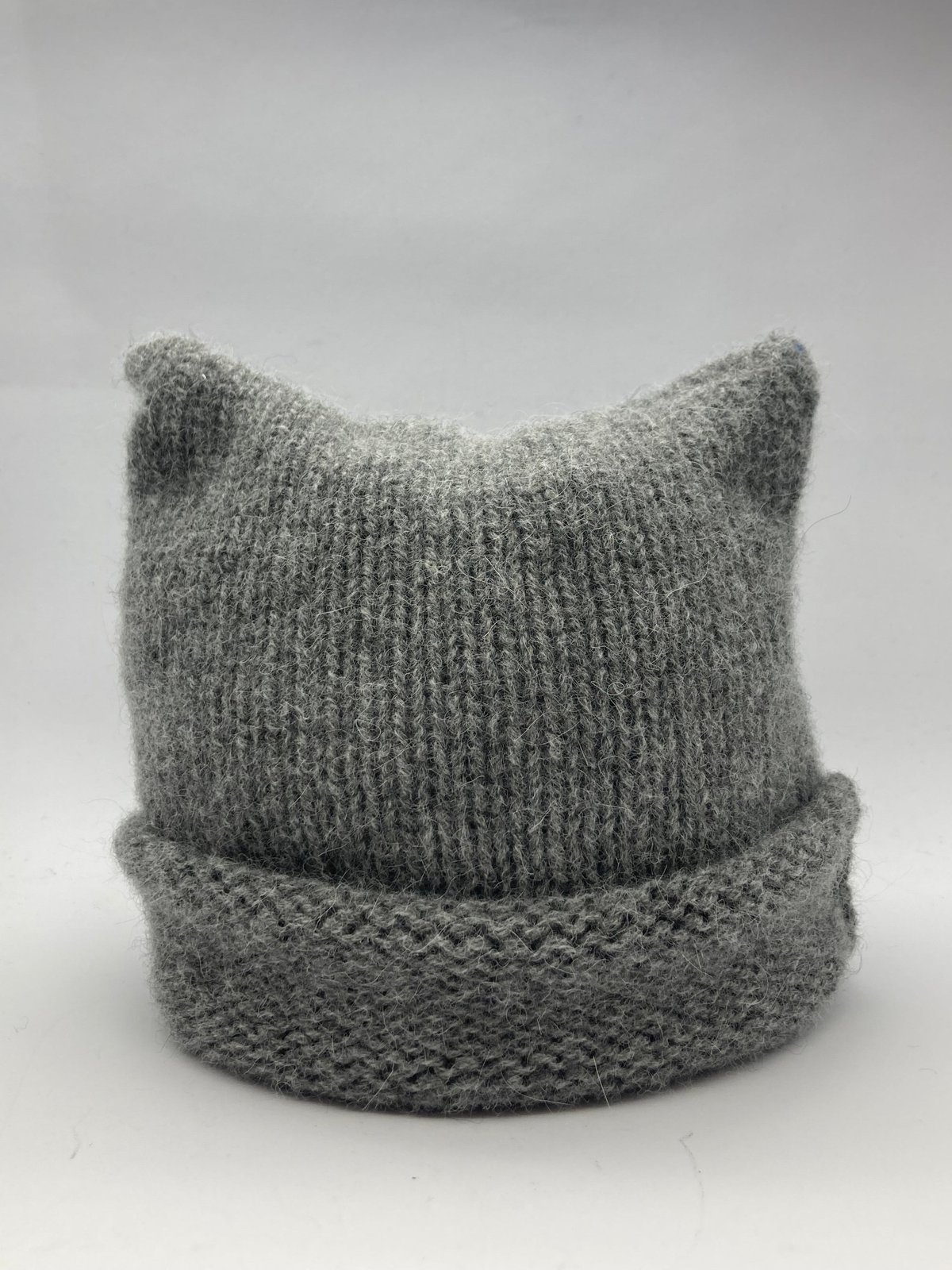
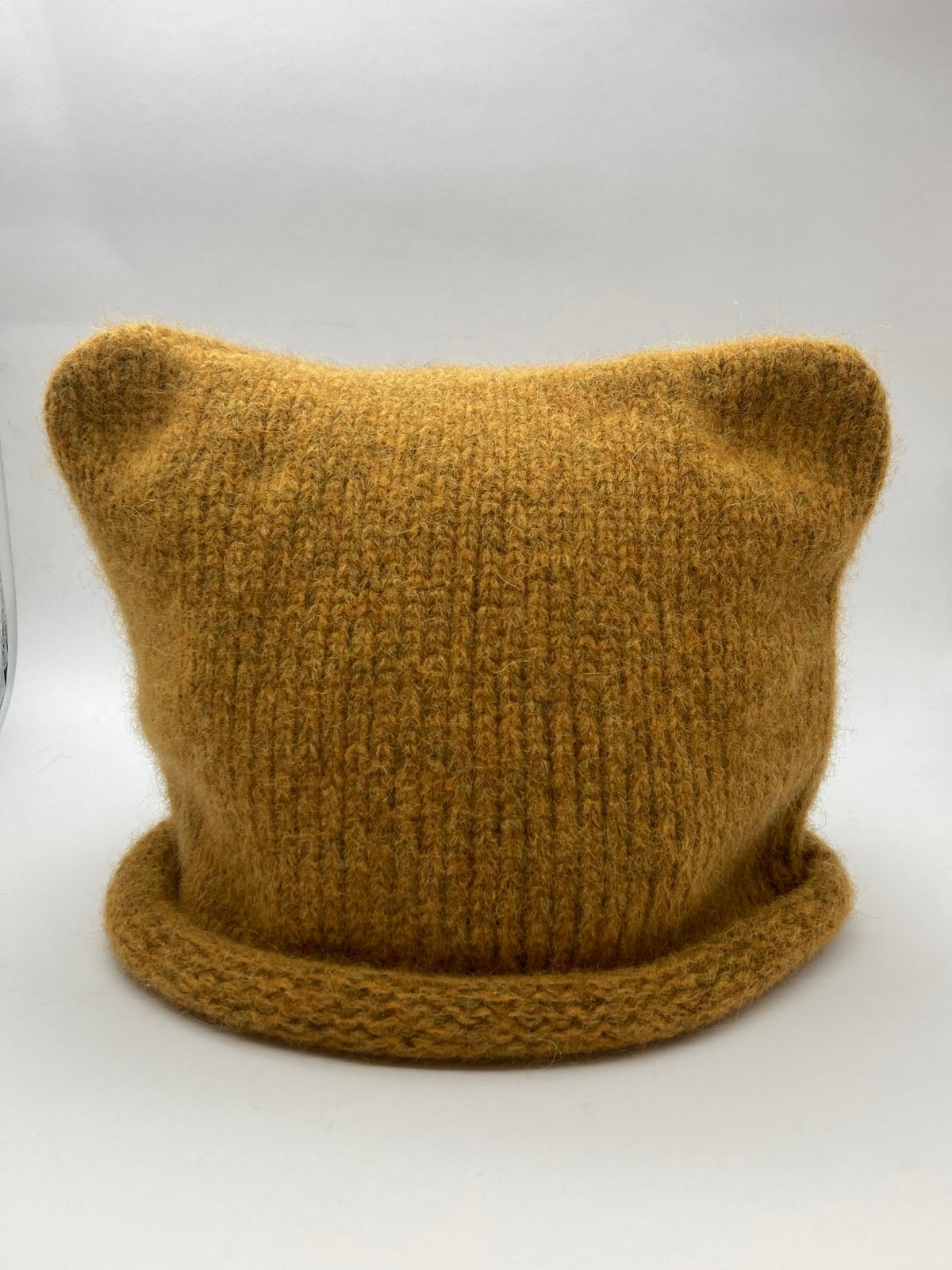
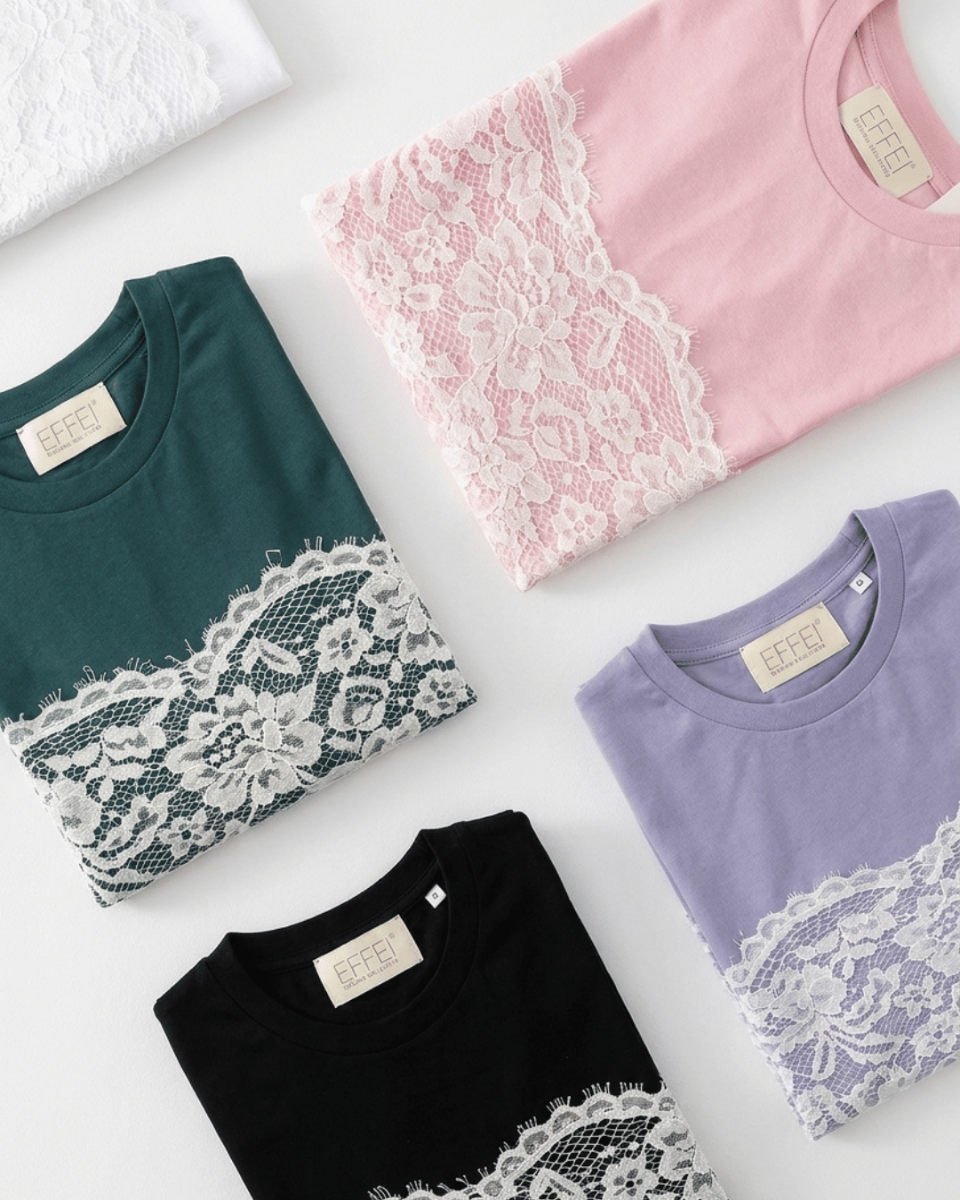
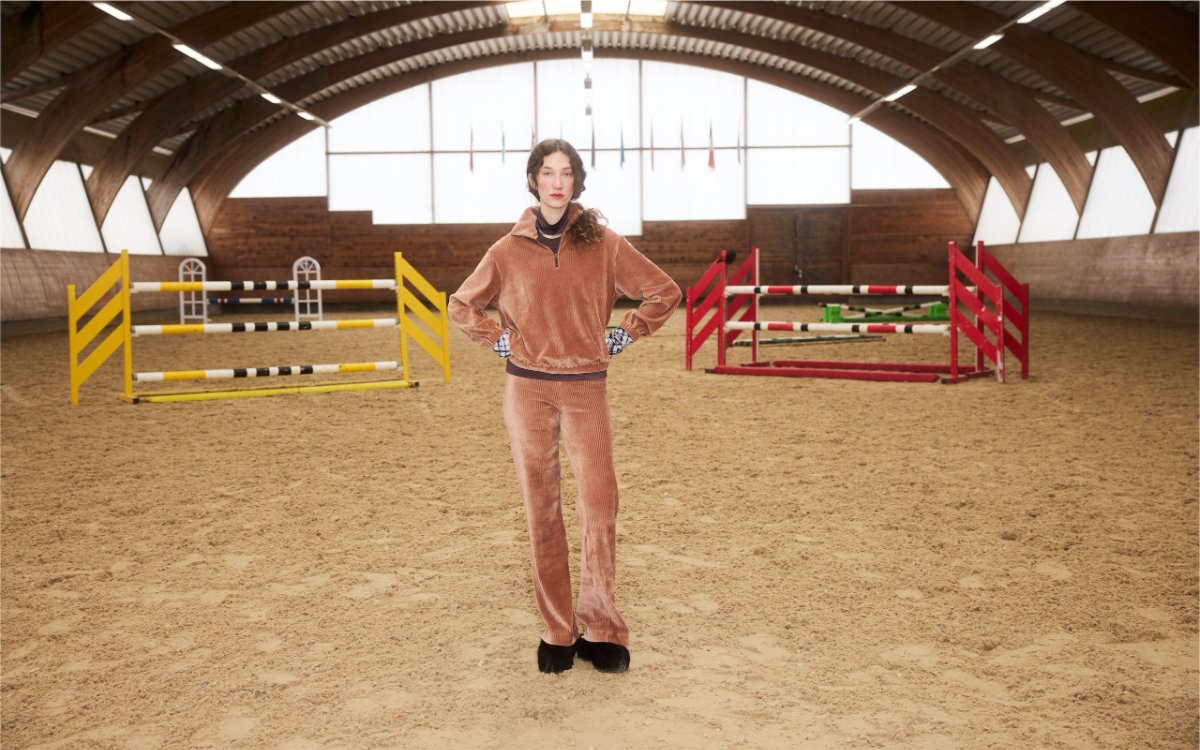
Elsewhere the label changes with the object. A few small leather goods say Italy, others Portugal or Turkey. The scarves, the linen kimonos and the Atelier knitwear, more than thirty pieces, say Berlin, where the label keeps its own atelier. The list is long because the objects are different.
Leather that already existed
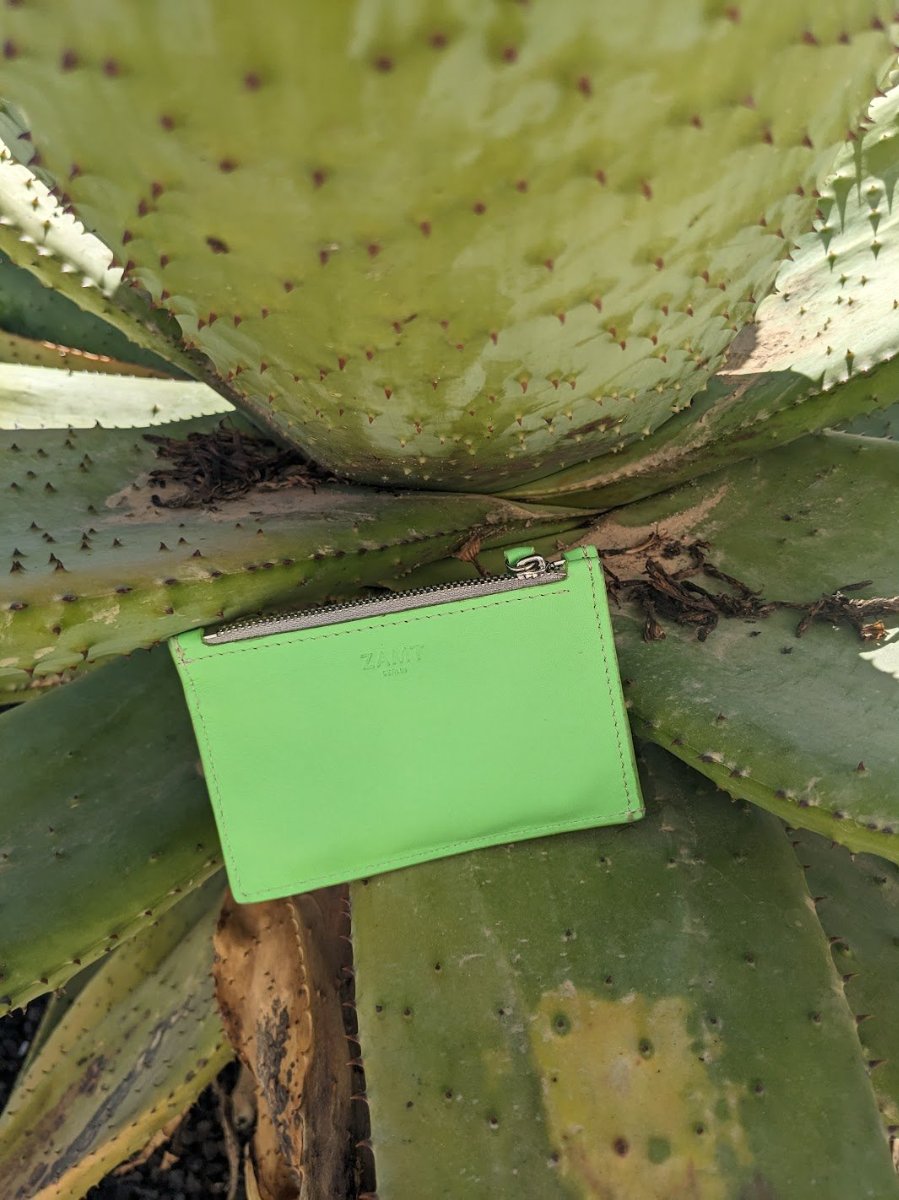
Much of this leather was not ordered for these bags. About two in five of the label's own listings describe it in the brand's own words, handpicked overproduce nappa from Italy, premium Italian deadstock. The newest line works the same way. The Loulou, cut as a baguette and as a boxy bag, is made from Italian deadstock leather, and its label names no country beyond Europe.
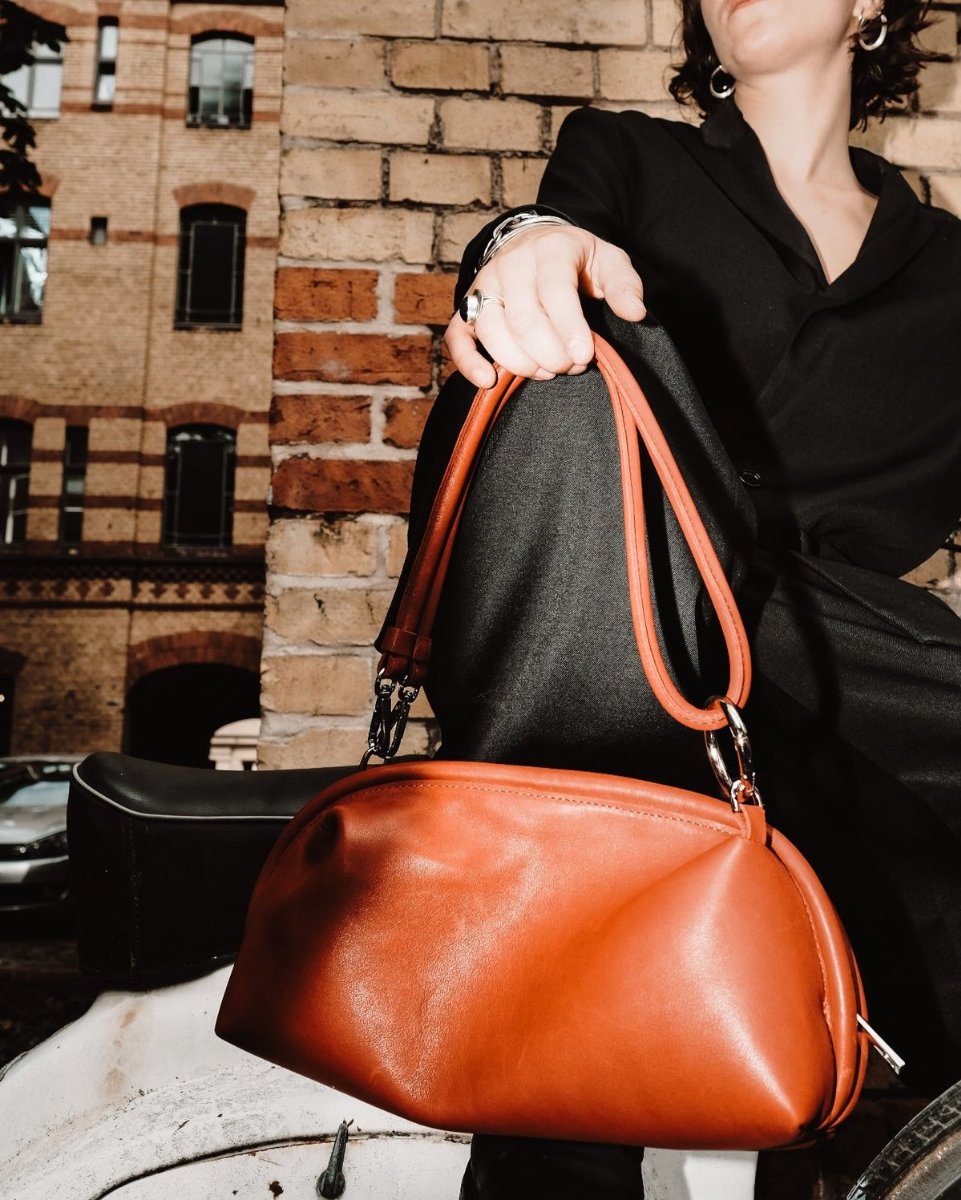
Where the listings name a tanning method, it is vegetable tanning, on mimosa from the bark of the acacia and on quebracho wood, a process that runs several weeks. None of them mentions chrome.

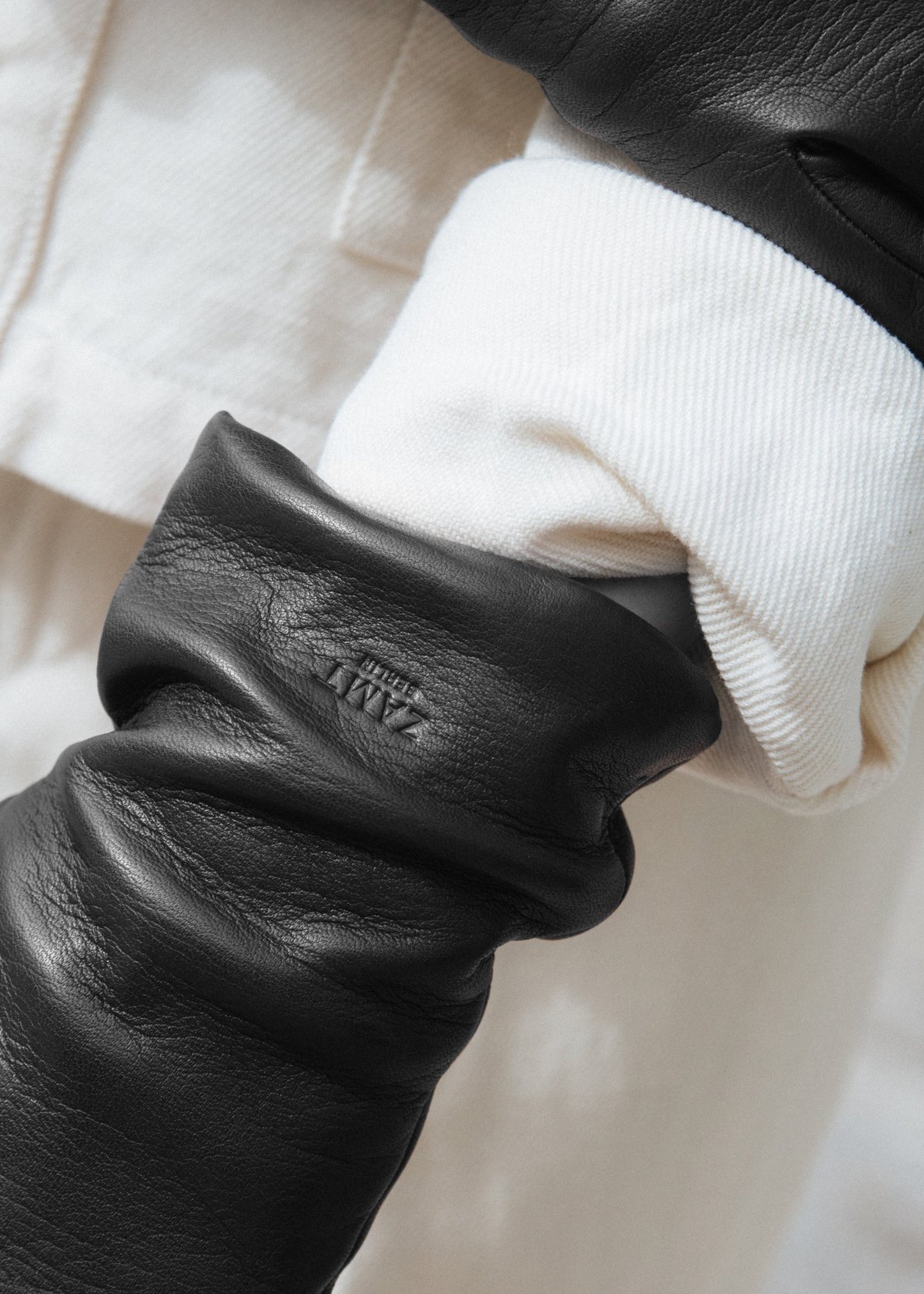
The leather keeps a faint woody scent from that process and takes a patina with use. The hides are European, and the brand describes them as a by-product of the meat industry.
A colour exists in this range because a particular hide already existed.