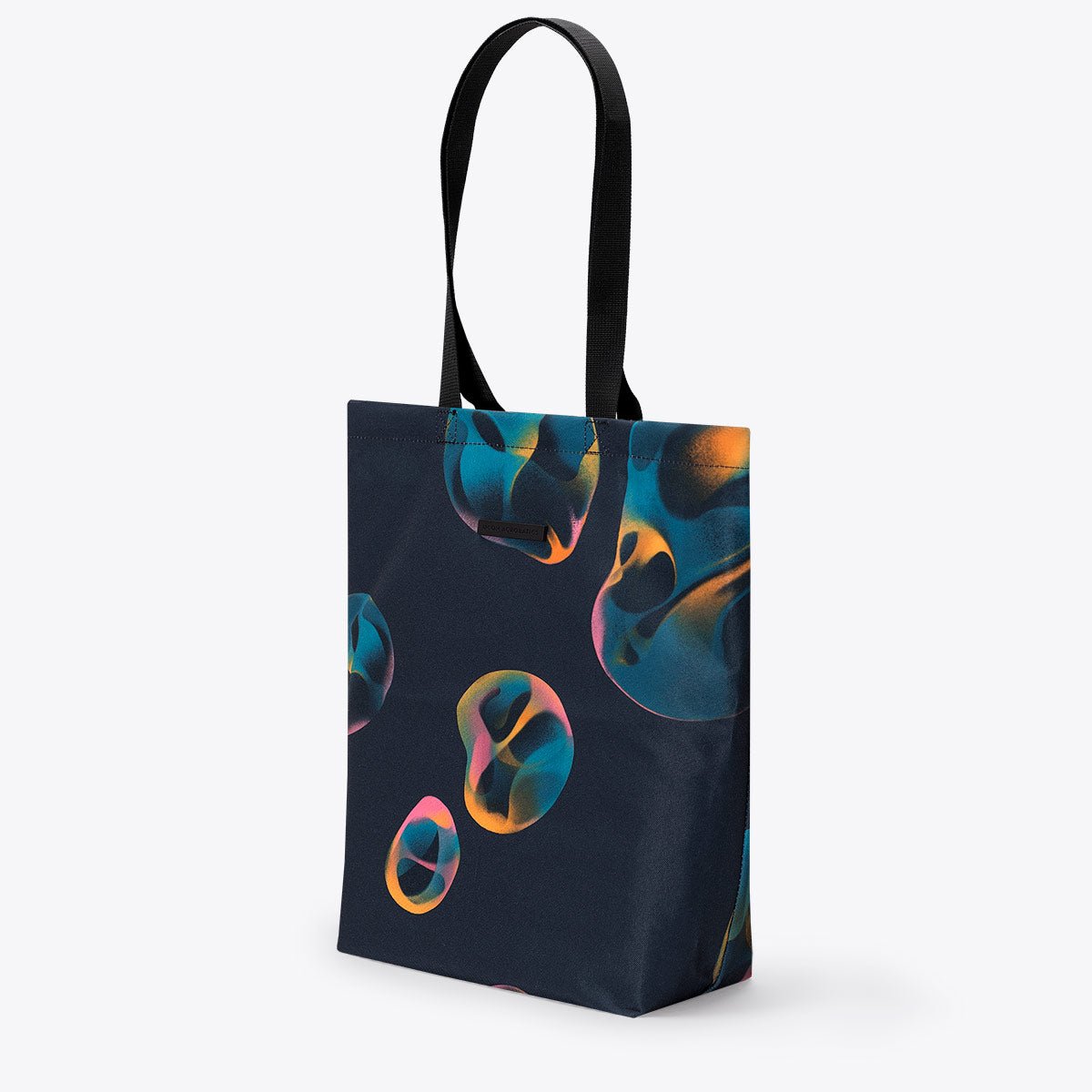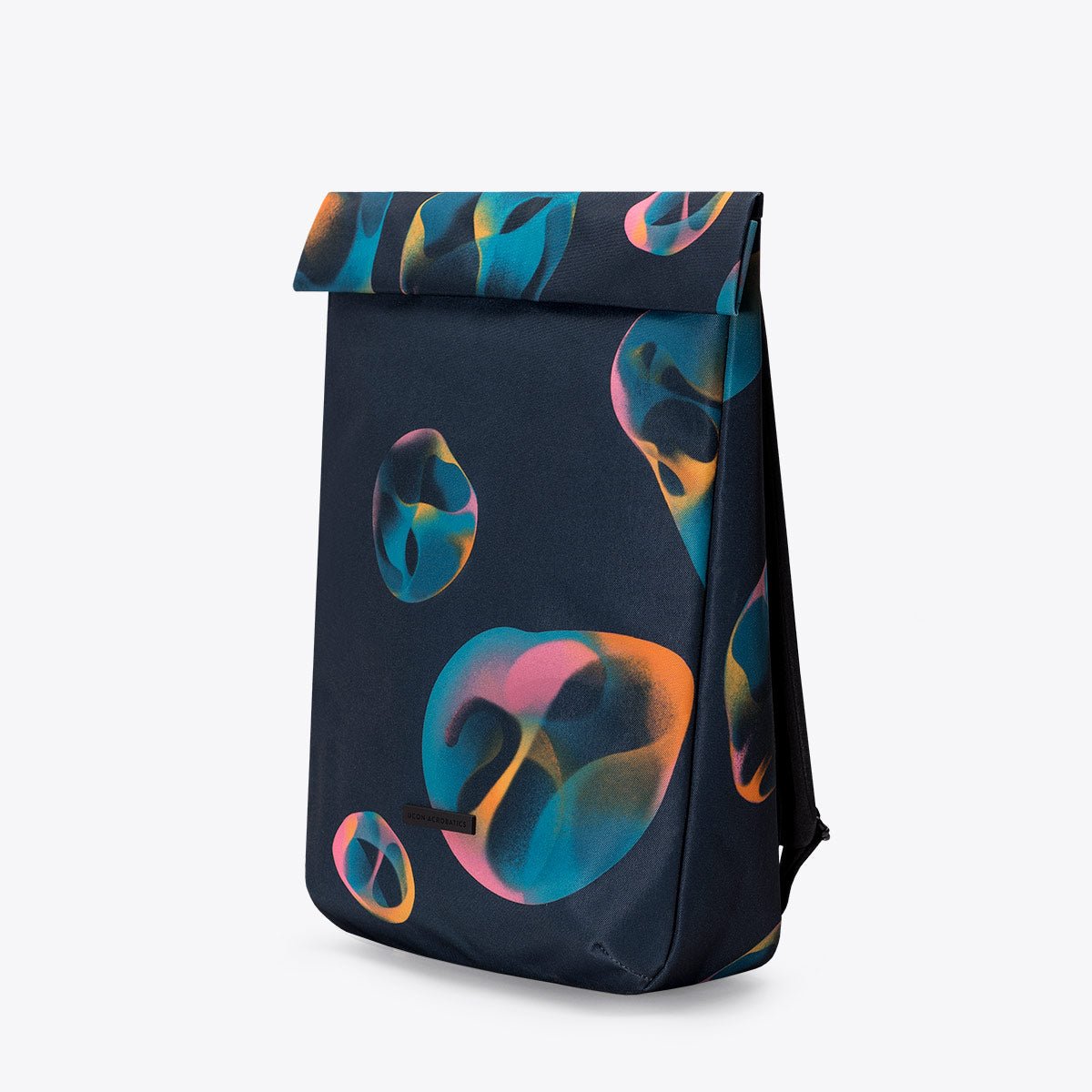


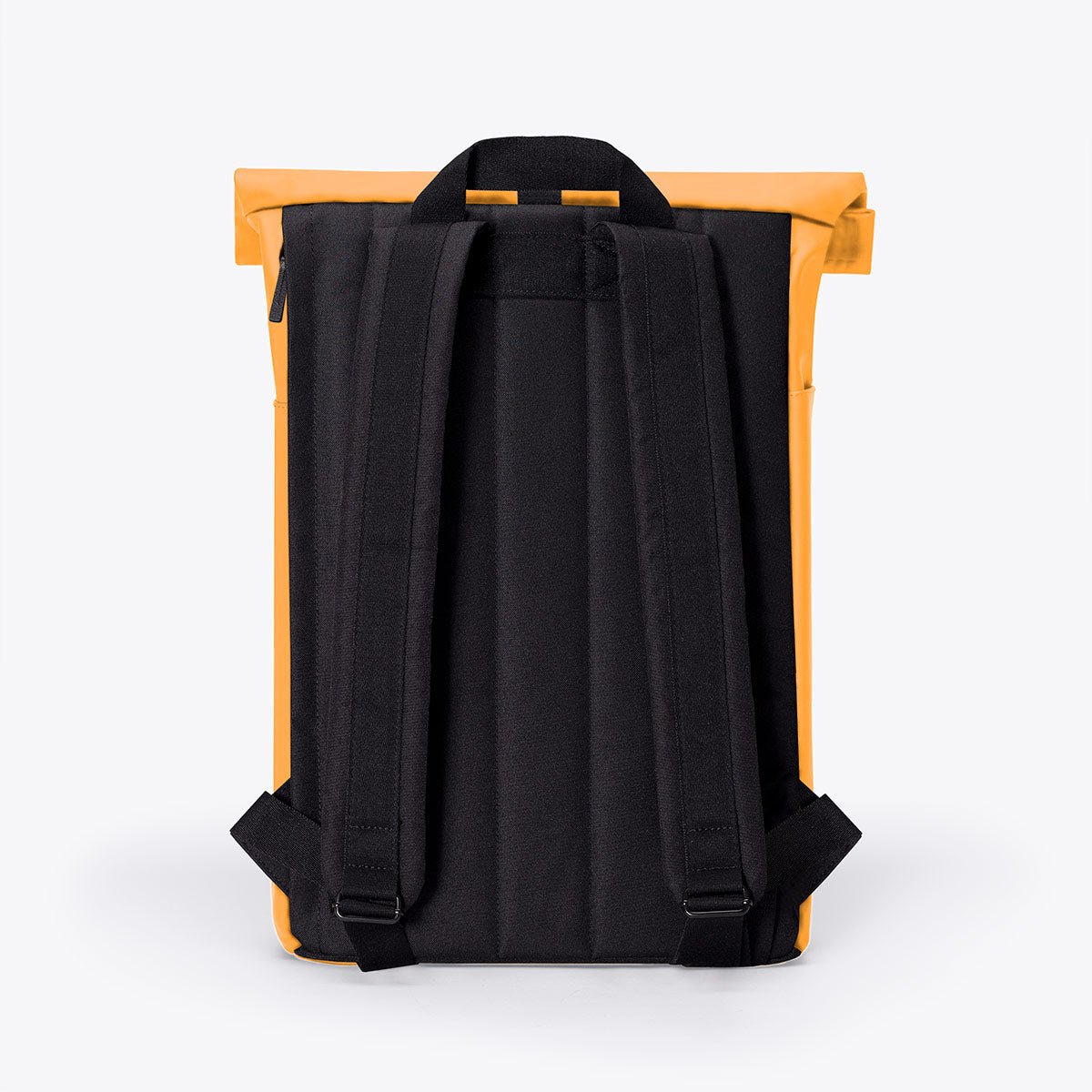
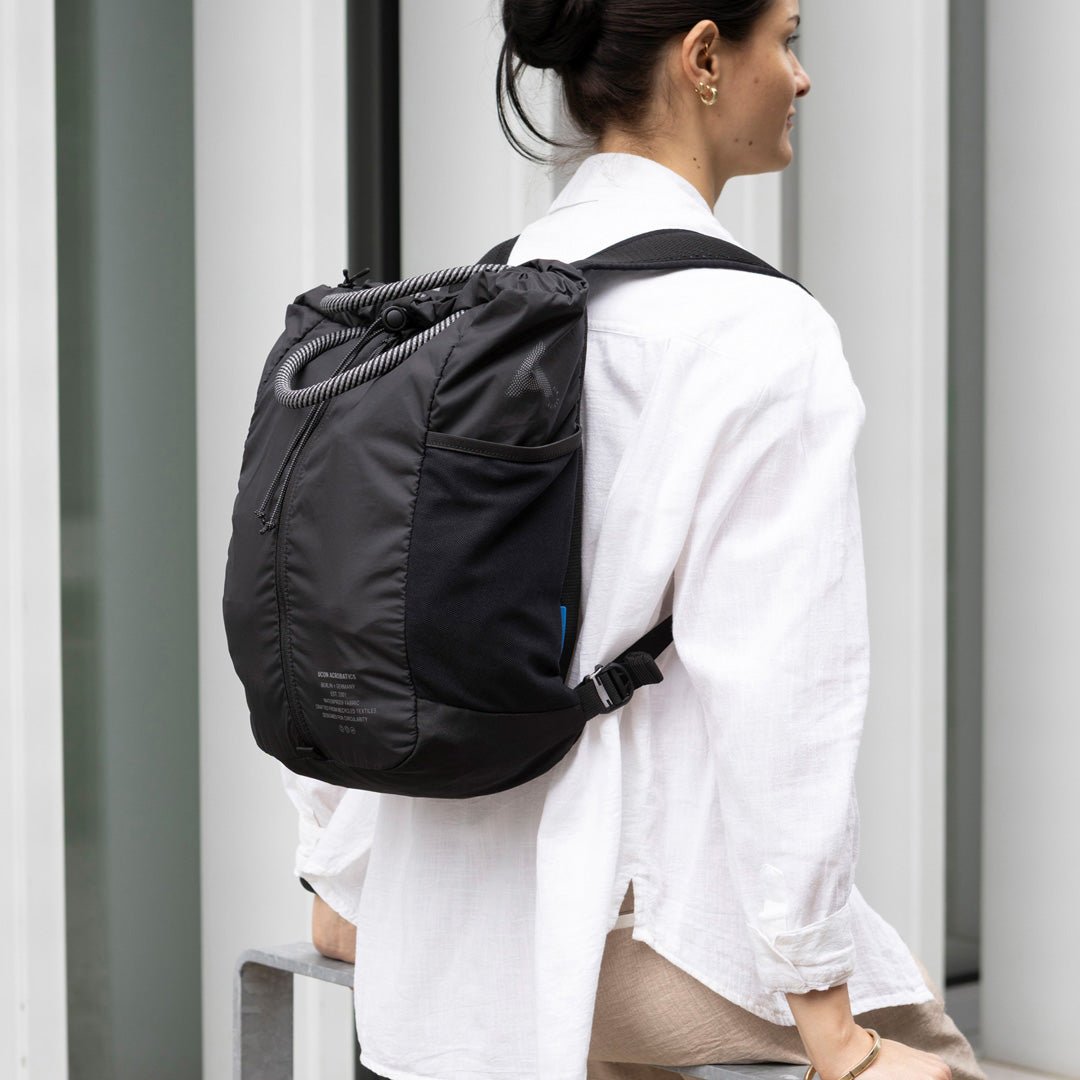
Ucon Acrobatics Accessories · Berlin, Germany
It started with a doorbell
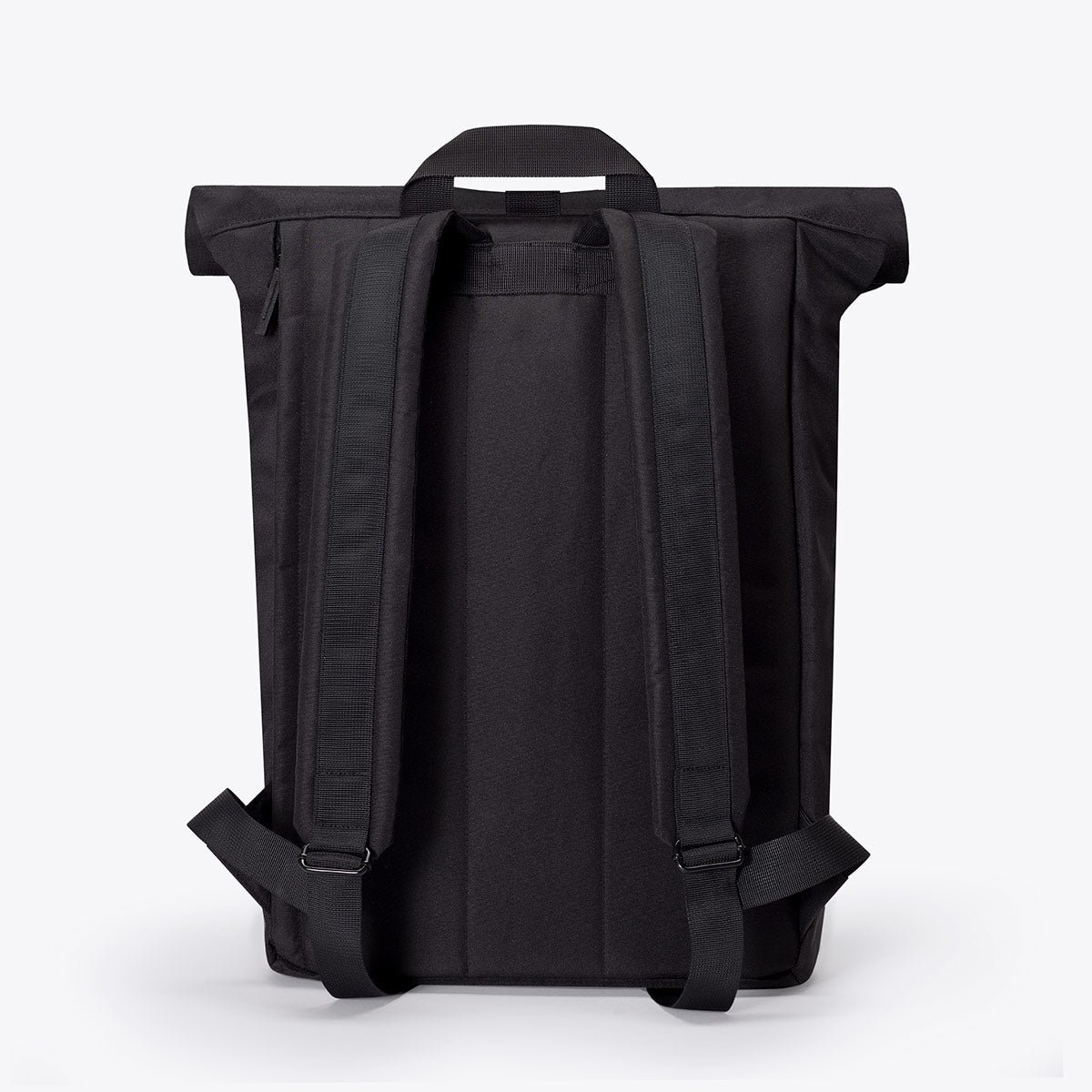
Jochen Smuda and Martin Fussenegger became friends skating a mini-ramp in the Allgäu and started a clothing label in 2001. Fifteen years later they dropped the clothes and made backpacks, the thing Fussenegger had graduated with.
One day Jochen Smuda rang Martin Fussenegger's doorbell to tell him about a plan for a clothing label of his own. They knew each other from a small mini-ramp in their home town, where skating had made them close friends. As a teenager Fussenegger had been taken with the work of Otl Aicher and Dieter Rams, and he drew the Ucon logo himself while still a design student.
For fifteen years the label made clothes. In 2008 they moved to Berlin, where, as Smuda put it, they could work on Ucon Acrobatics full time for the first time.
Close to quitting
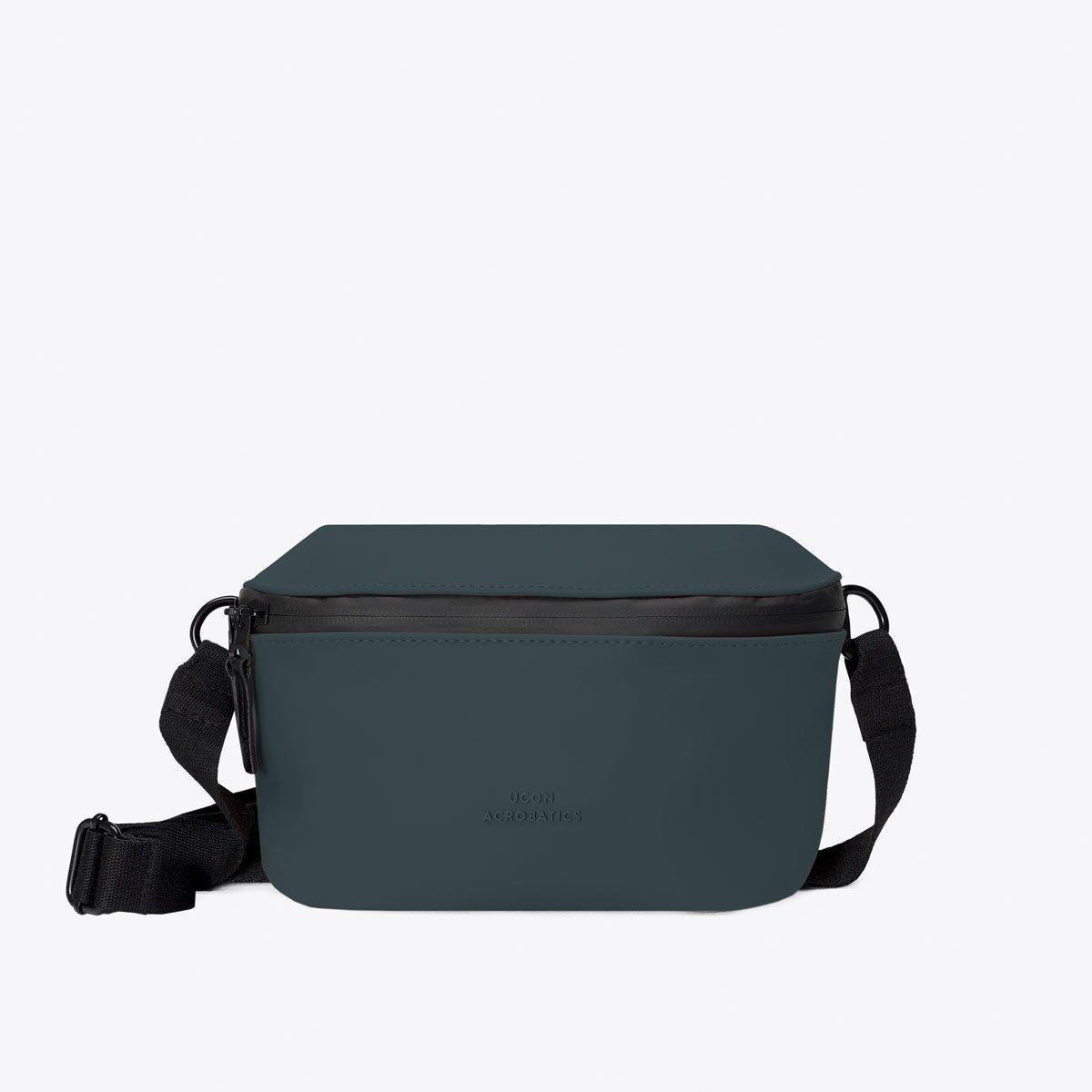
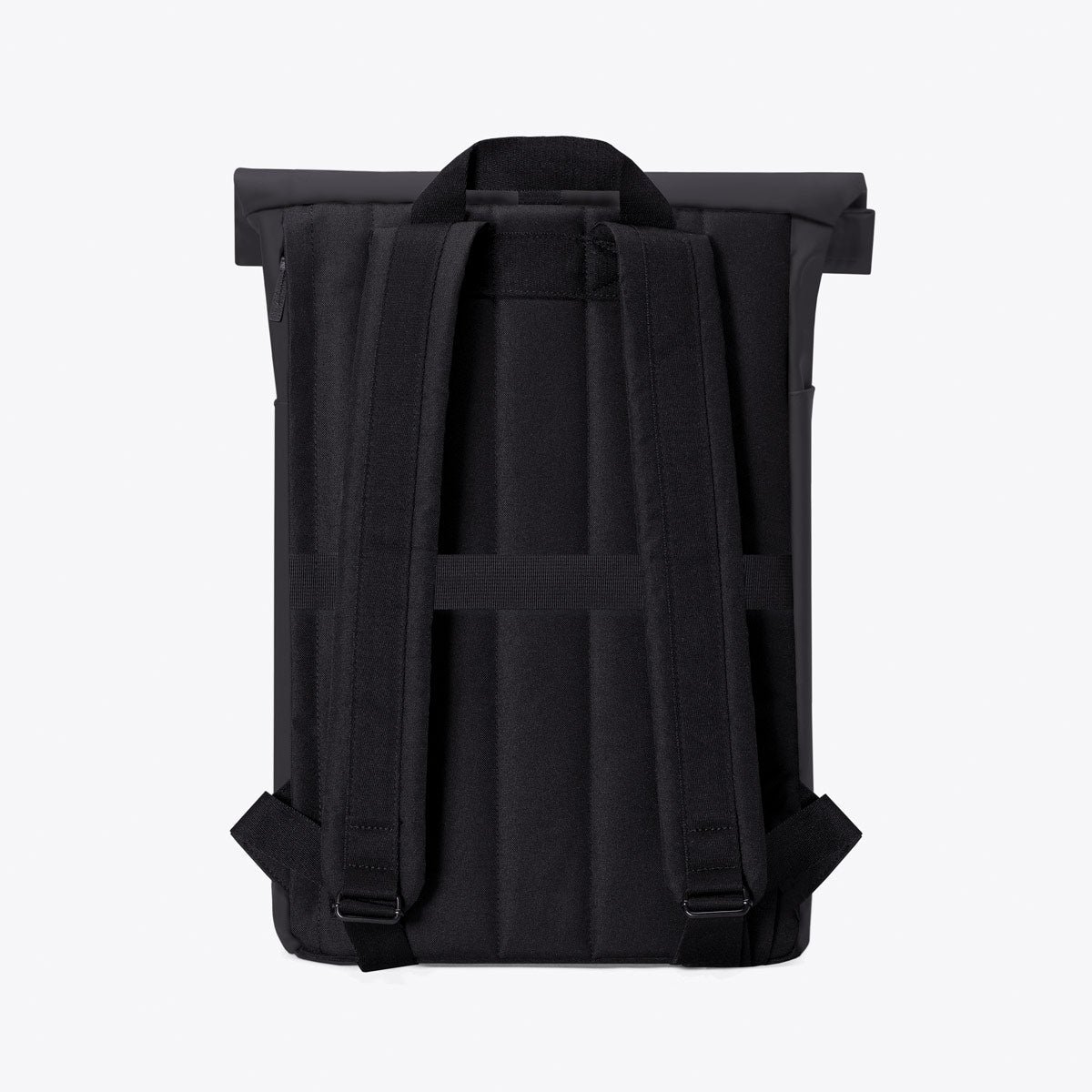
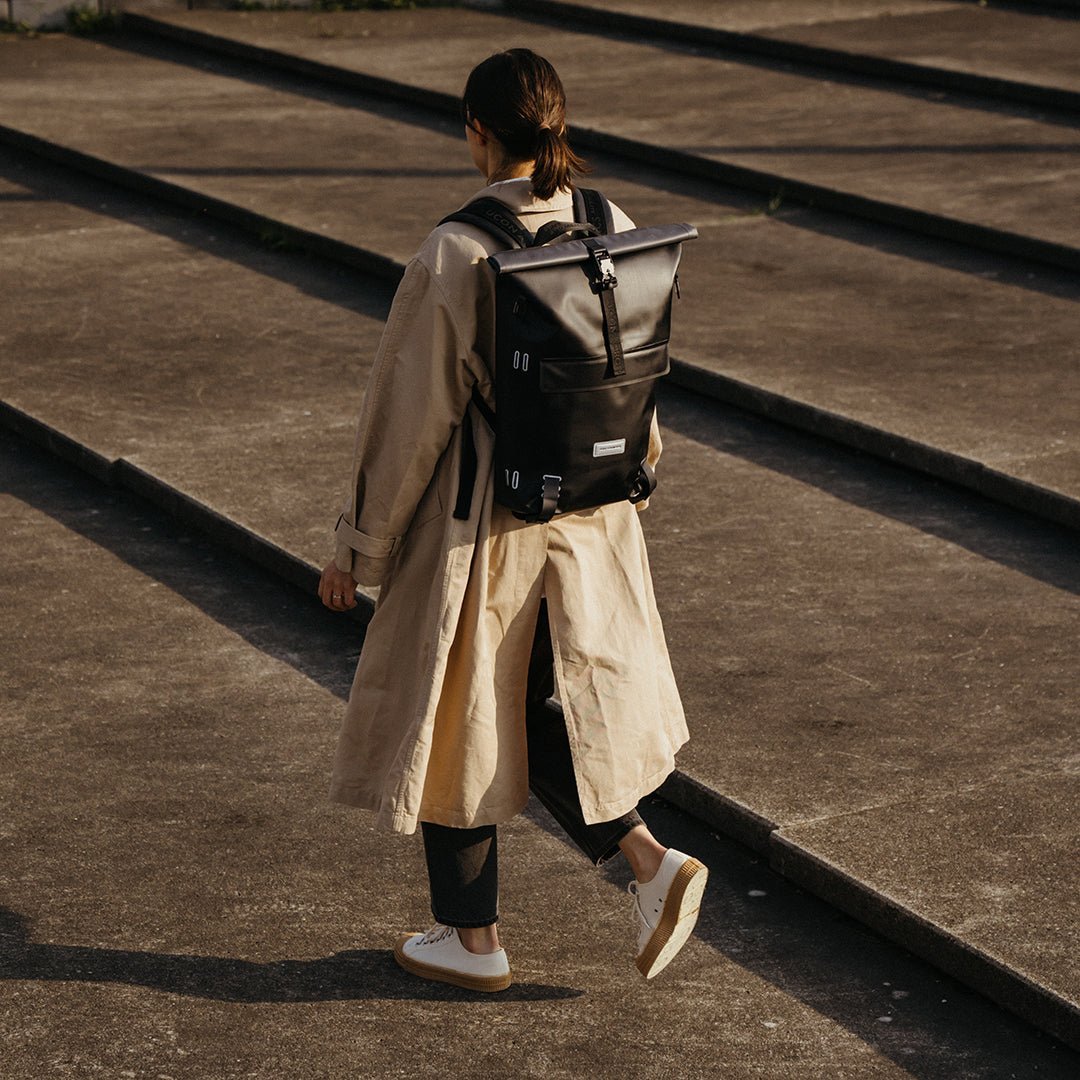
By late 2014, Smuda said later, they were thinking about giving up, because the clothing line was not relevant enough to survive. Prices in clothing were falling and collections turned over ever faster, and a small label could not keep pace. In 2015 three bags went out alongside the clothes. In January 2016 Smuda announced a pause in clothing for autumn and winter 2016/17, and that autumn the first collection made only of backpacks shipped. As Smuda noted at the time, Fussenegger had graduated with a backpack collection ten years earlier. The pause was never lifted.
Someone else's loop
From 2016 recycled PET from drinks bottles became the label's core material. Some years later Fussenegger came to see it differently. The biggest source of waste, he said, sat in their own industry, and the bottles were being taken out of a recycling loop that already worked.
If we mean it, we have to go into our own loop.
What replaced the bottles comes from the garment trade itself. Discarded clothes, uniforms collected from places like hospitals, and the fabric left on cutting-room floors are broken back down and spun into new yarn. The factories needed new machines and separate production lines to do it.
Twenty tonnes of yarn
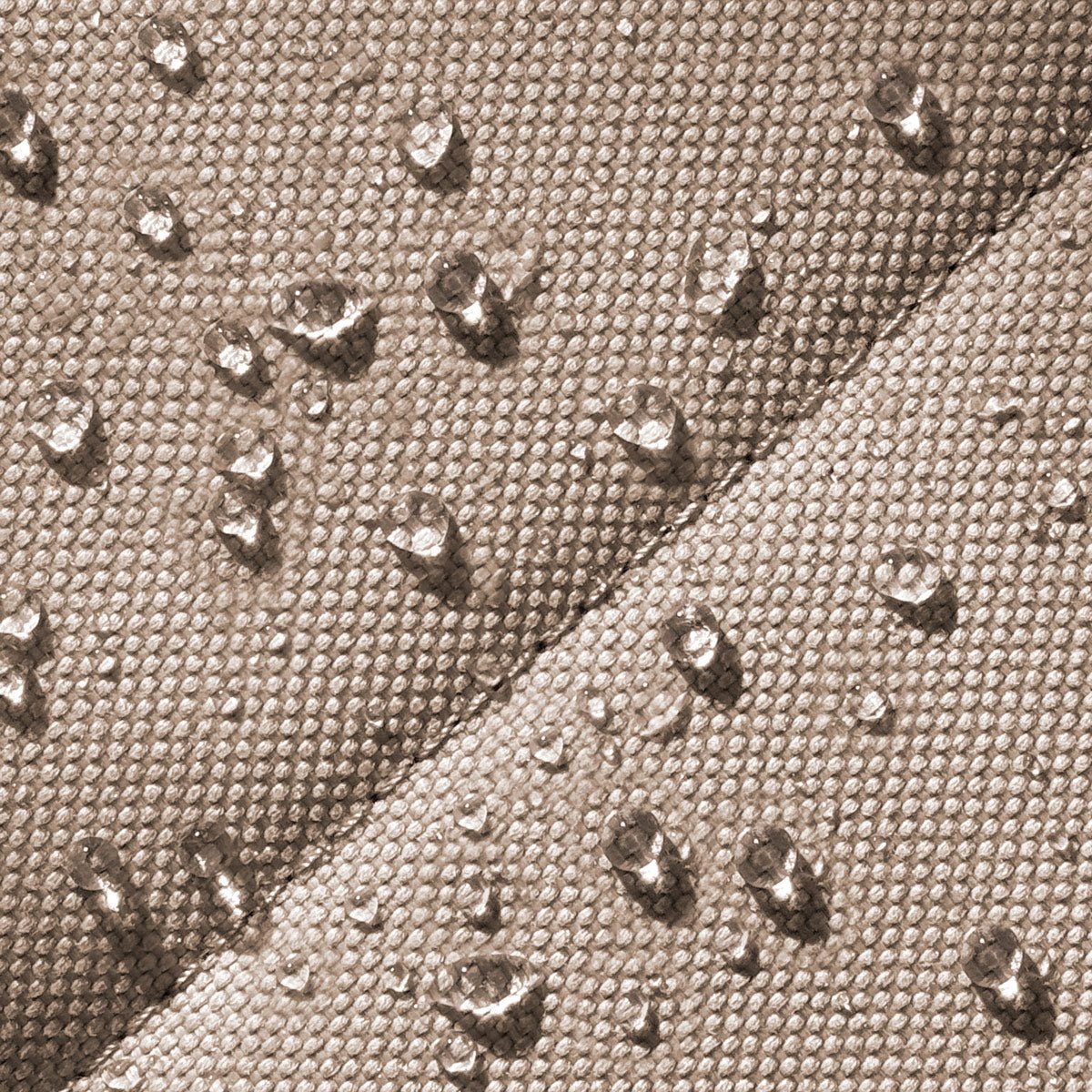
For padding and straps, Fussenegger says, they needed something single-material from recycled textiles that was also light, breathable and quick to dry. When they found the yarn, they ordered twenty tonnes of it, put it in stock and switched straight away.
Twenty-five years on, both still run the company, and no outside investor appears in the register.