



Studio Bojola Interior · Italy
The shapes she went back for
When the work dried up, Margherita Bojola went to the workshops the studio already knew and asked what could still be made there. The answer came out of their moulds from the 1950s.
In 2019, Studio Bojola’s luxury-design market in the Gulf began to disappear. COVID followed soon after. Margherita Bojola did not wait for conditions to improve. She went to the workshops the studio already worked with, talked to the people there, and asked what could still be made. The first prototype came in 2020, the same year the independent Studio Bojola brand launched.
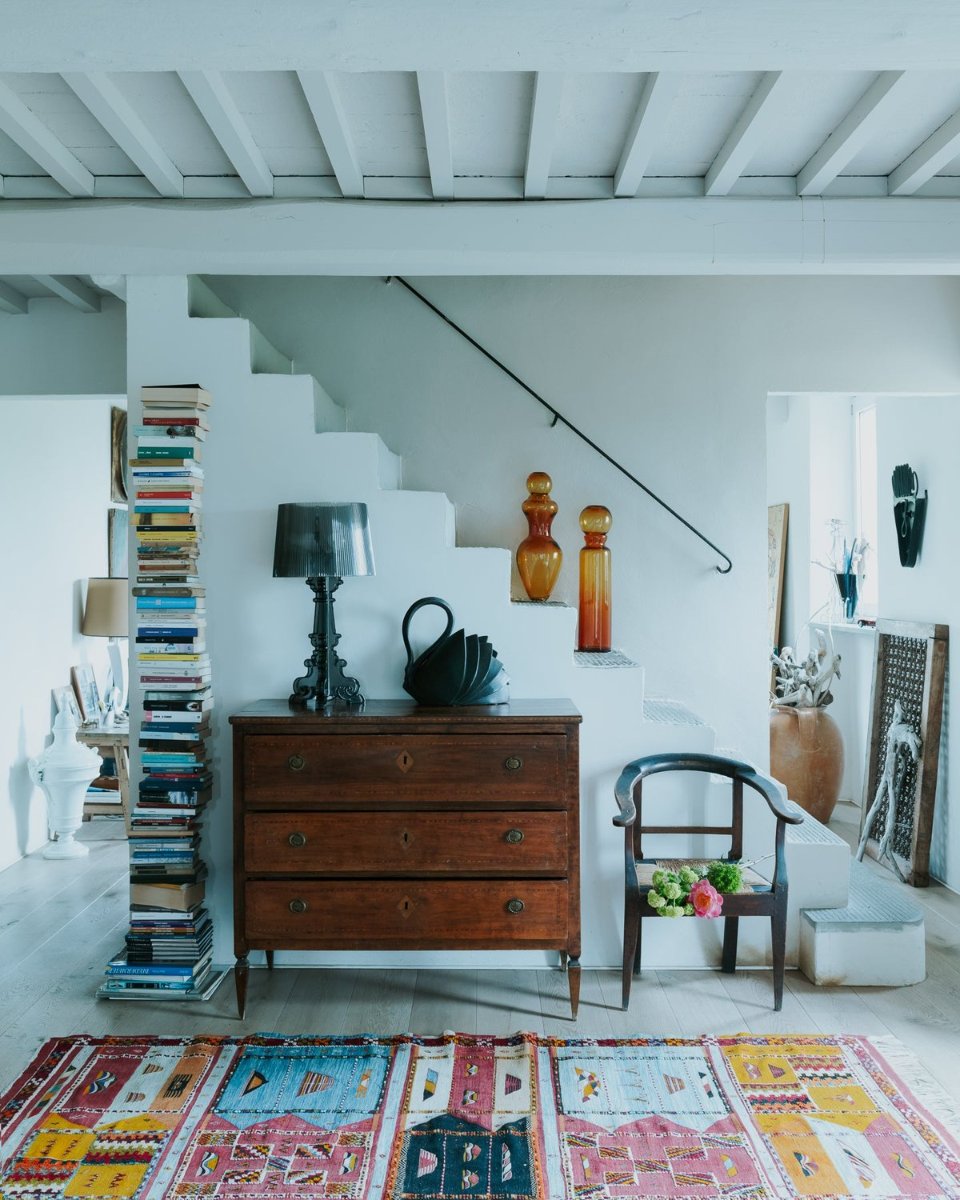
Beginning inside the archive
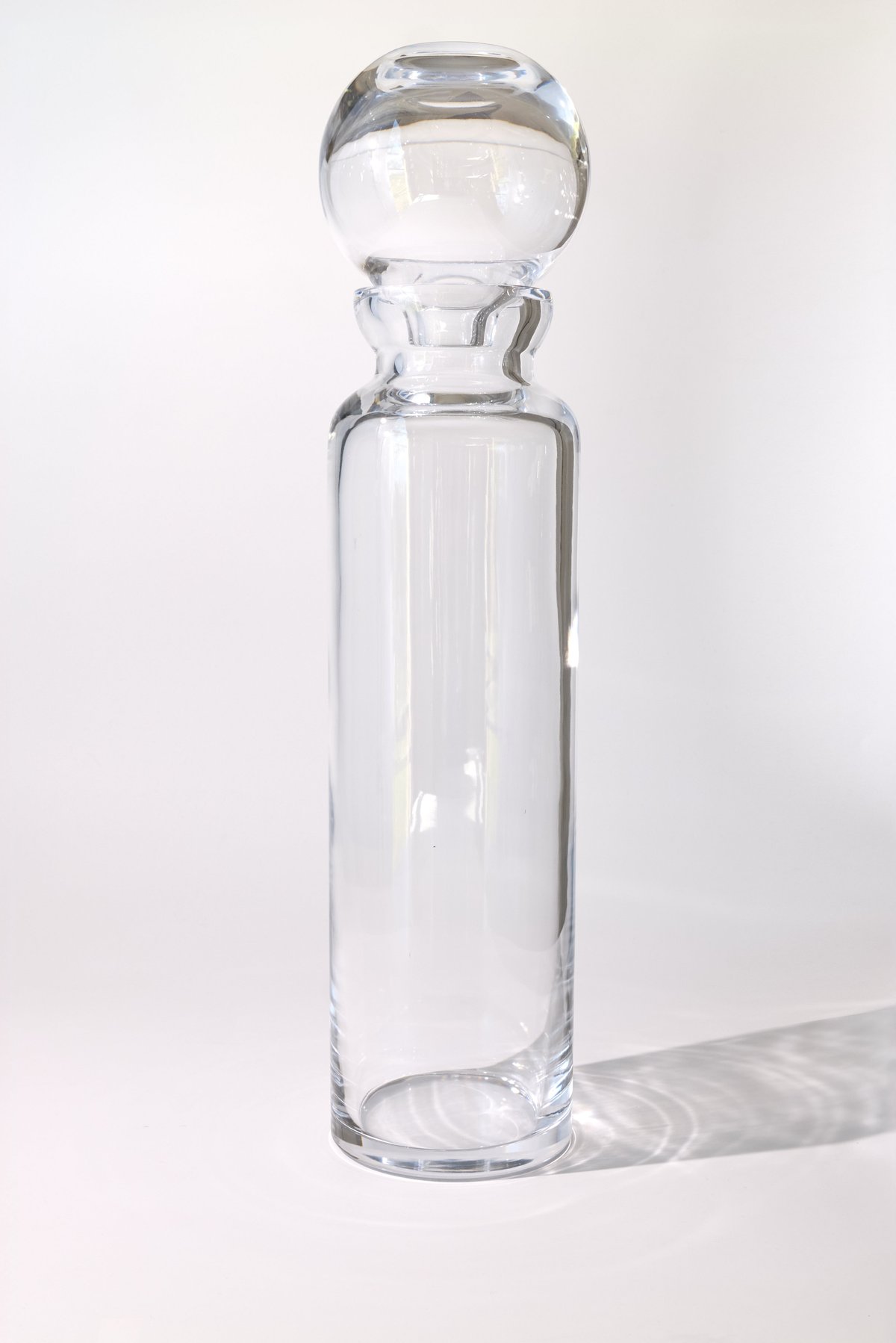
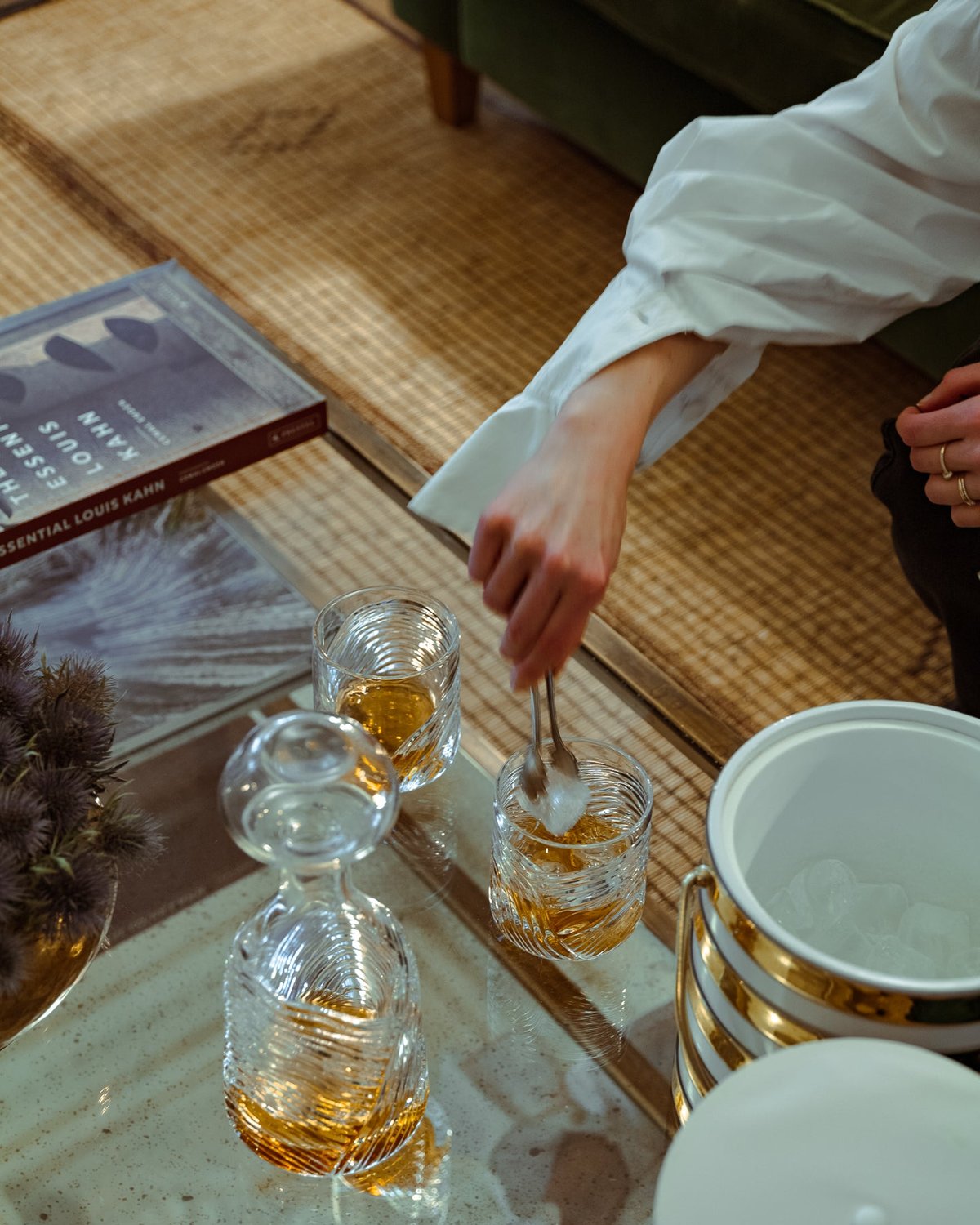
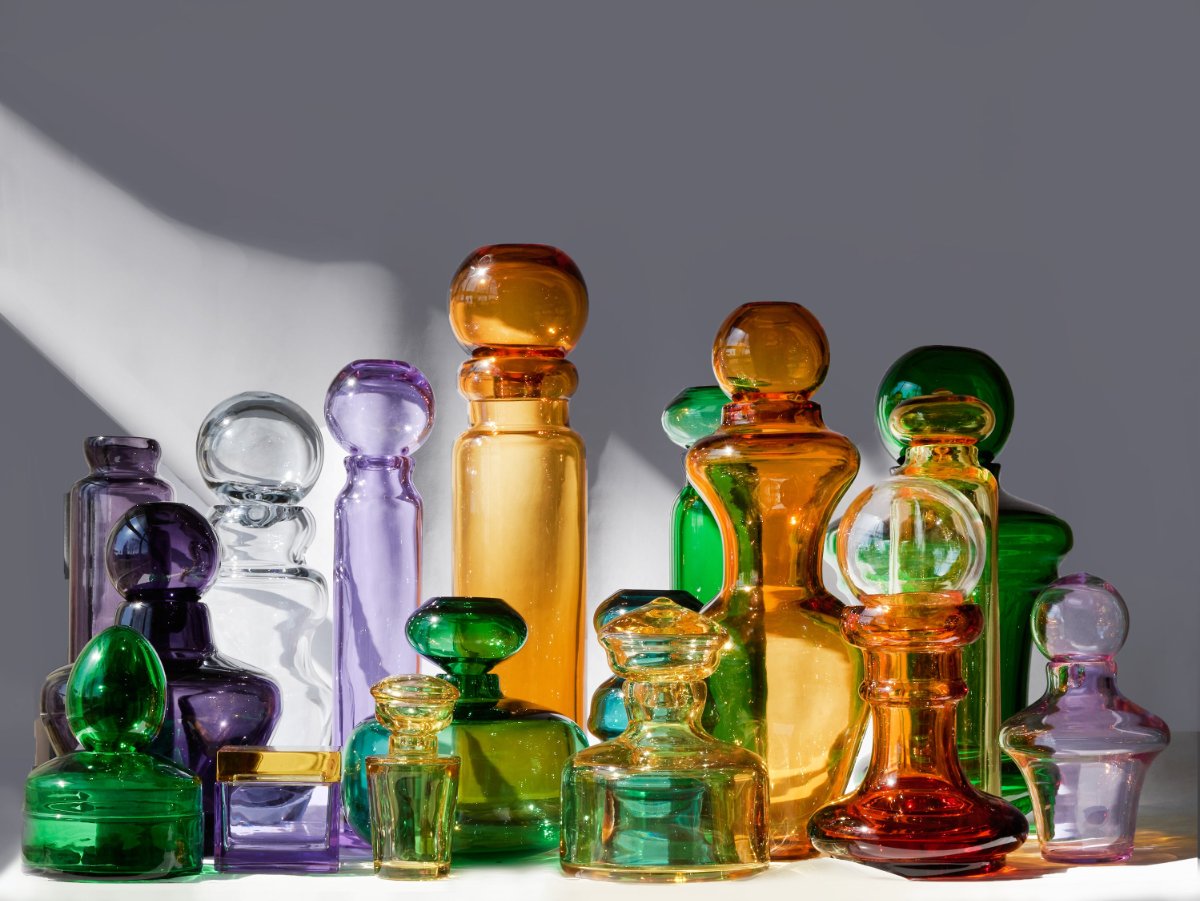
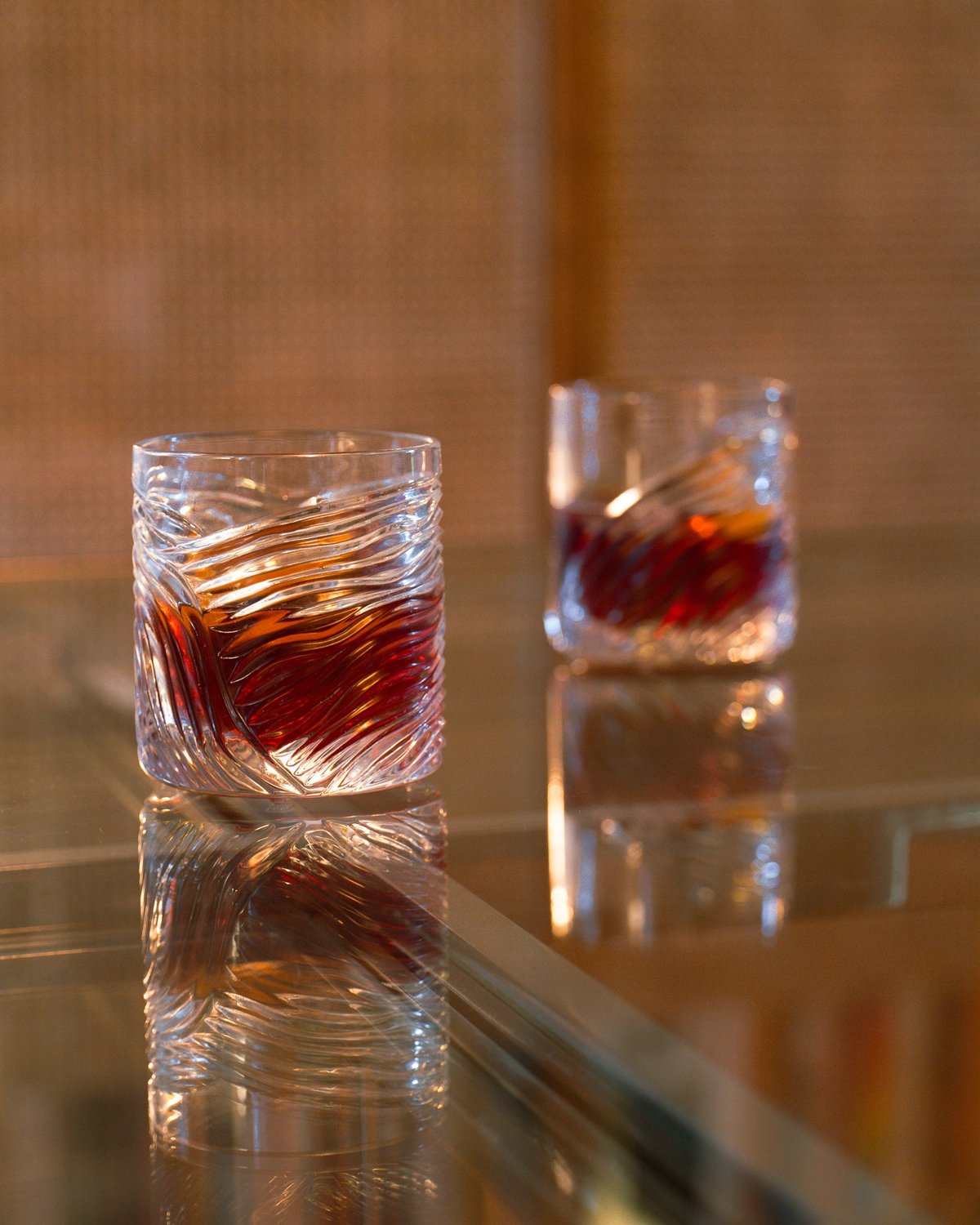
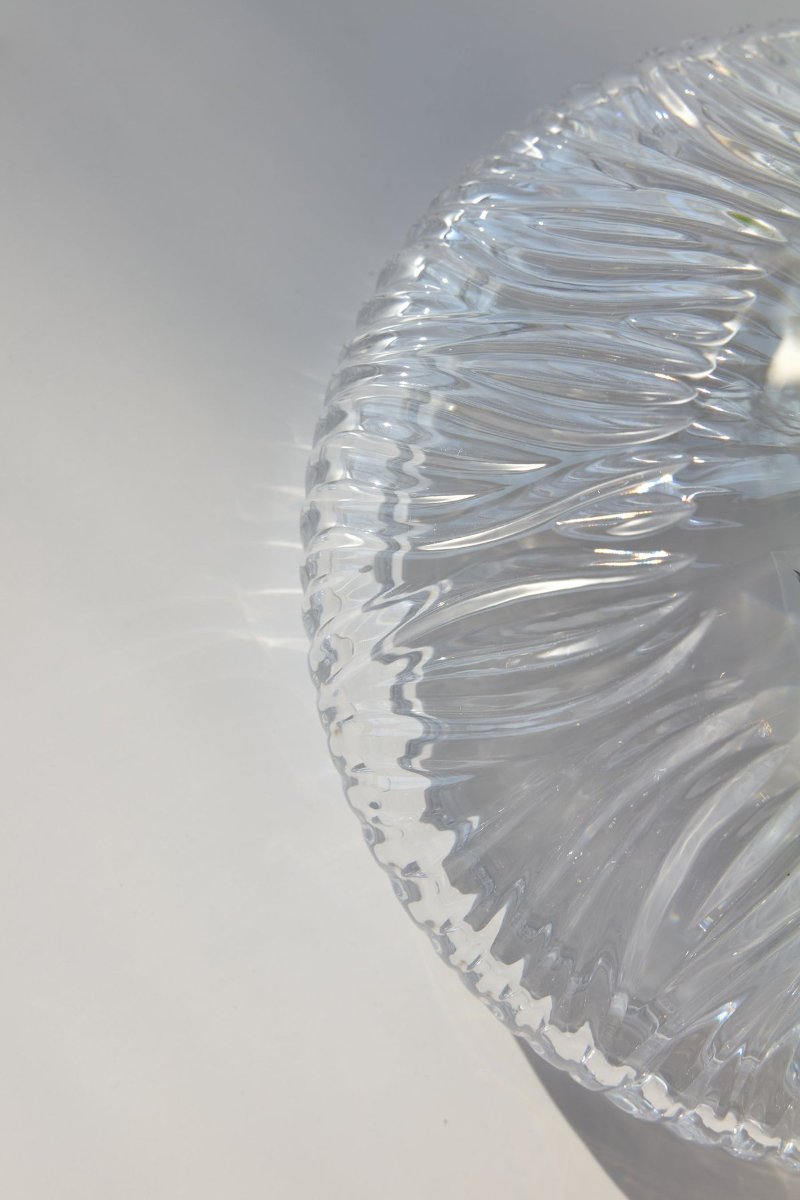
The crystal is made in Empoli, in Tuscany, at a glassworks that has worked in fine crystal since 1945. It is 24% lead crystal, declared against the European standard EN 69. By the studio's own account, the lead is what makes the material workable; glass by comparison scratches, breaks and cannot really be reworked. Work begins in the workshop's archive. They go in, choose shapes and stems the workshop still holds, bring moulds from the 1950s back into use, and decide what to change. A large shape can come out very small, kept for one detail they wanted. No new moulds are made. Each piece is mouth-blown into one of the workshop's original cast iron moulds.
Then it is cut, drilled, finished and engraved by hand with diamond-tipped tools.
The same method runs at a second workshop, Ceramiche Ceccarelli in the countryside near Florence, whose own archive models are reworked into the Natura Naturante ceramics.
What the crucible leaves
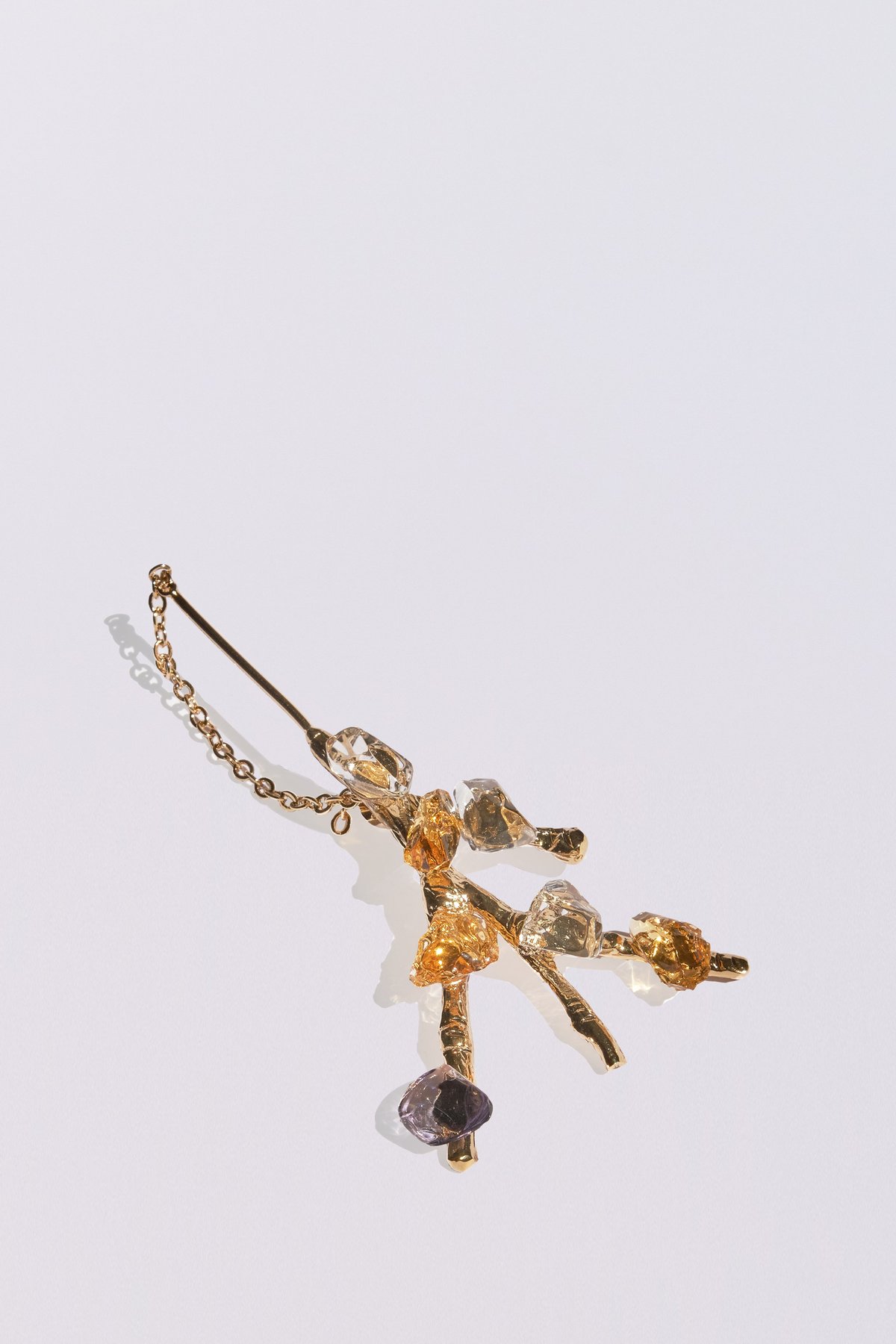
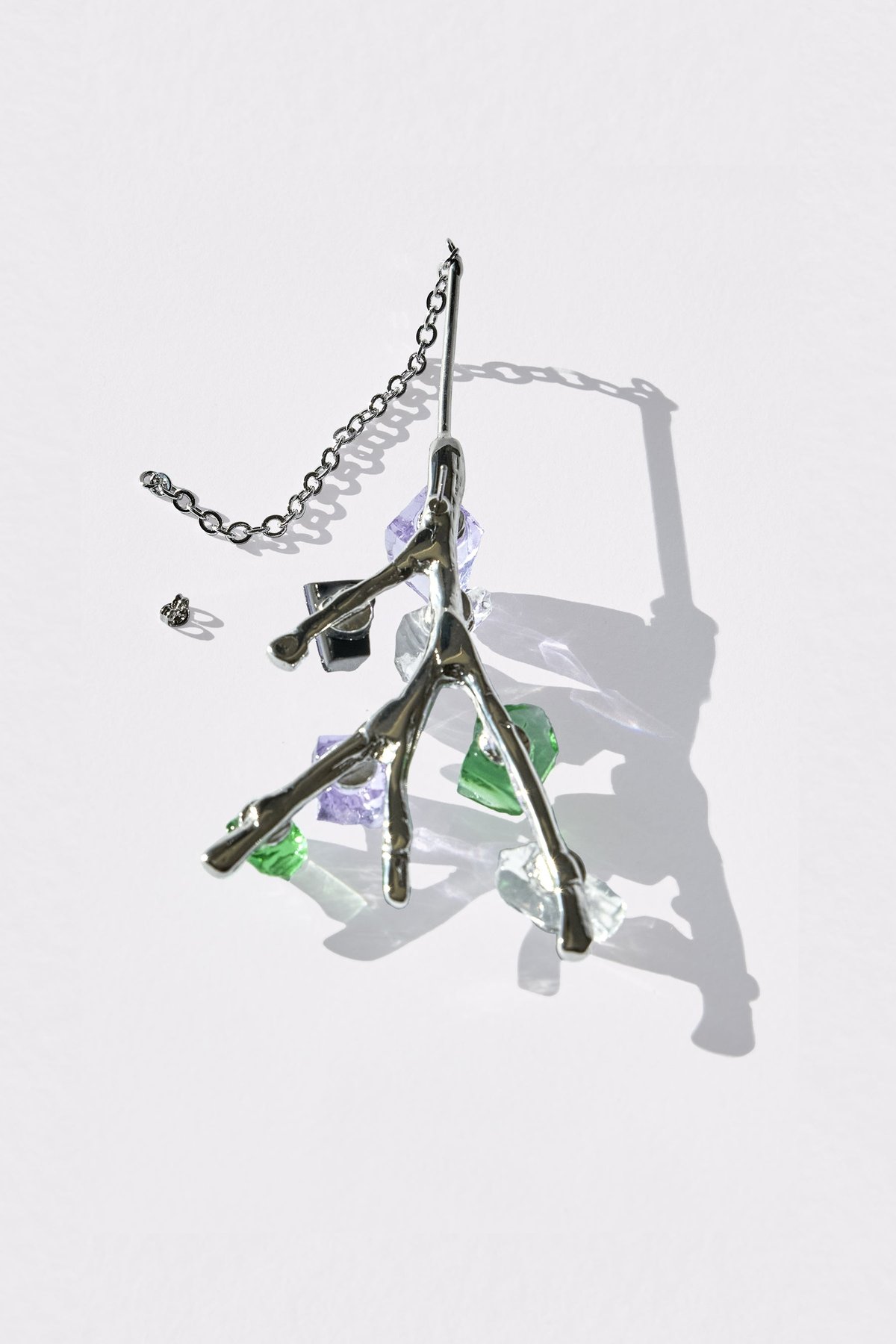
Blowing leaves crystal behind in the crucible. It hardens there into shards sharp enough to cut.
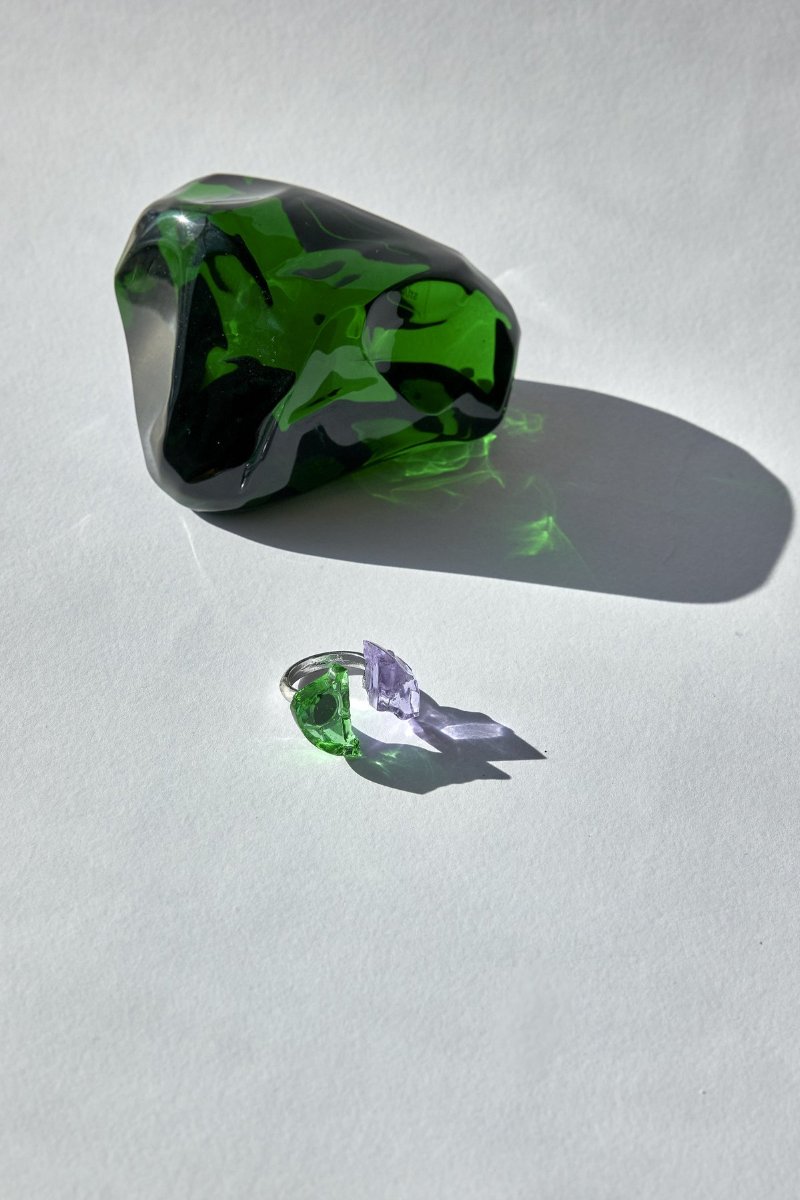
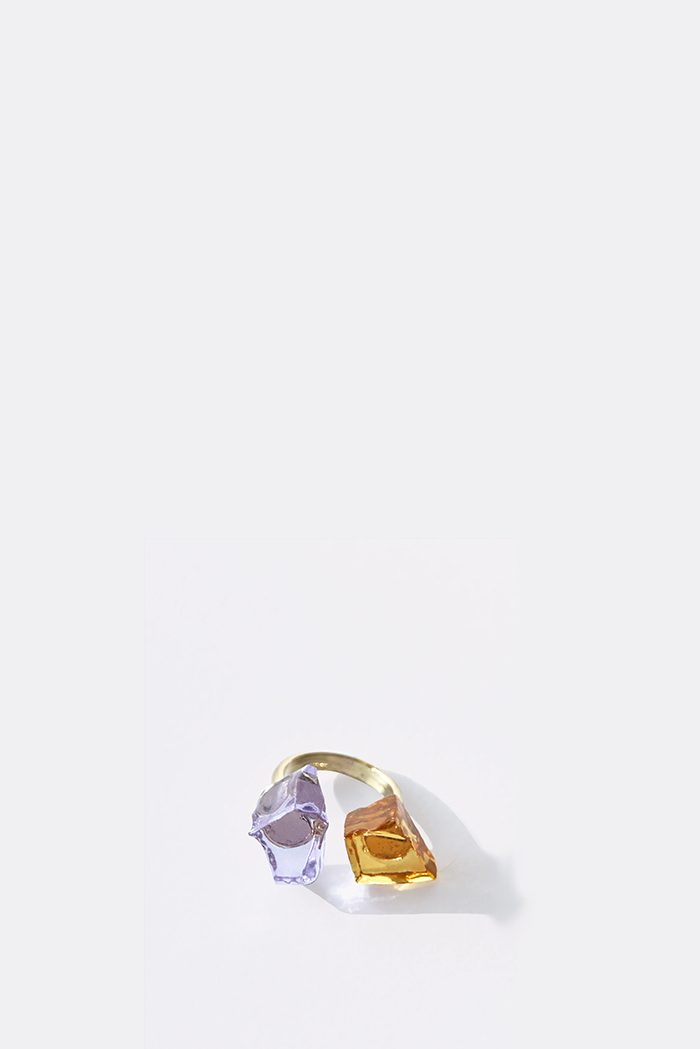
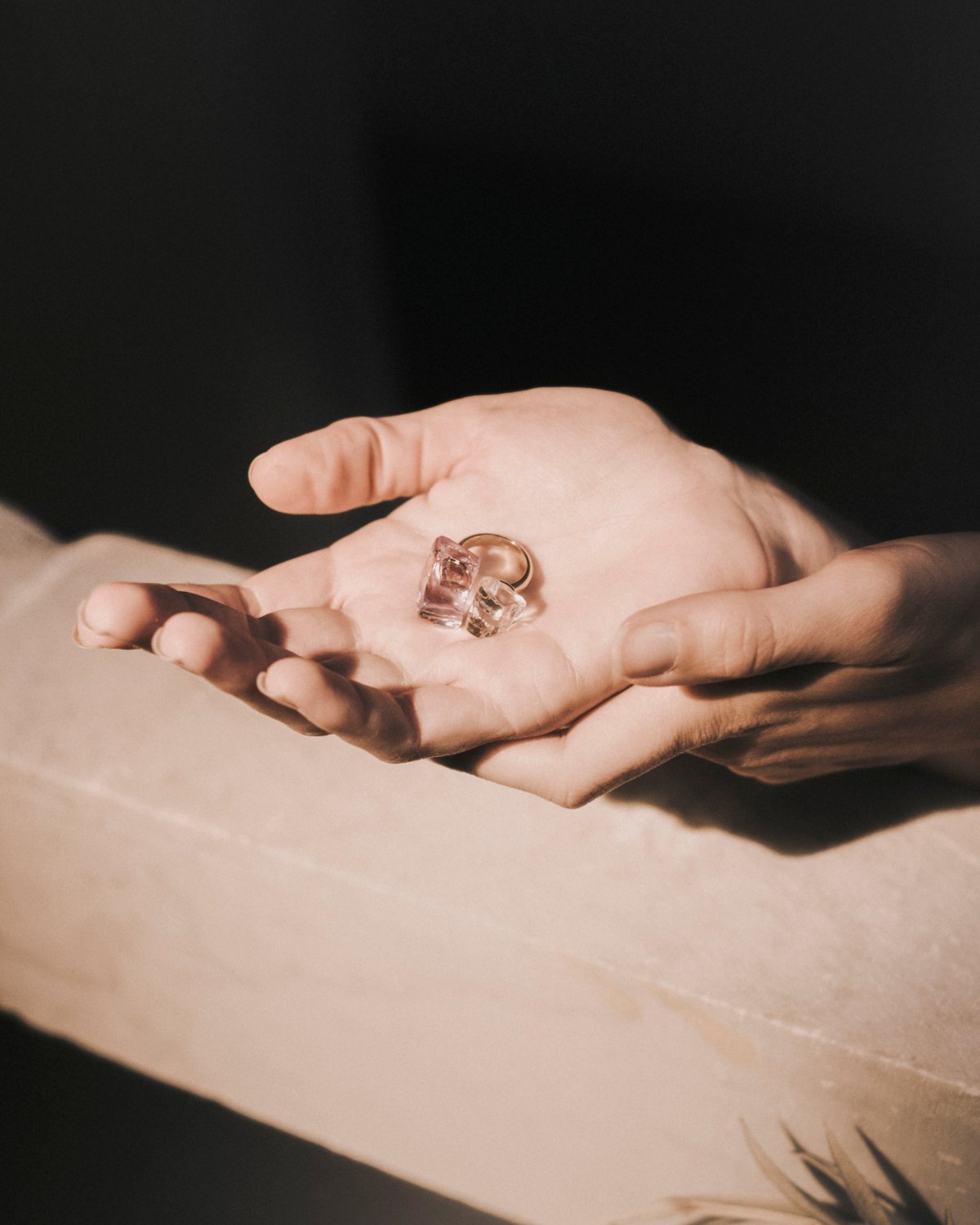
Since 2023 those shards have been smoothed one at a time and set like stones into gold-plated and rhodium-plated metal, which is how the Lumina jewellery is made.
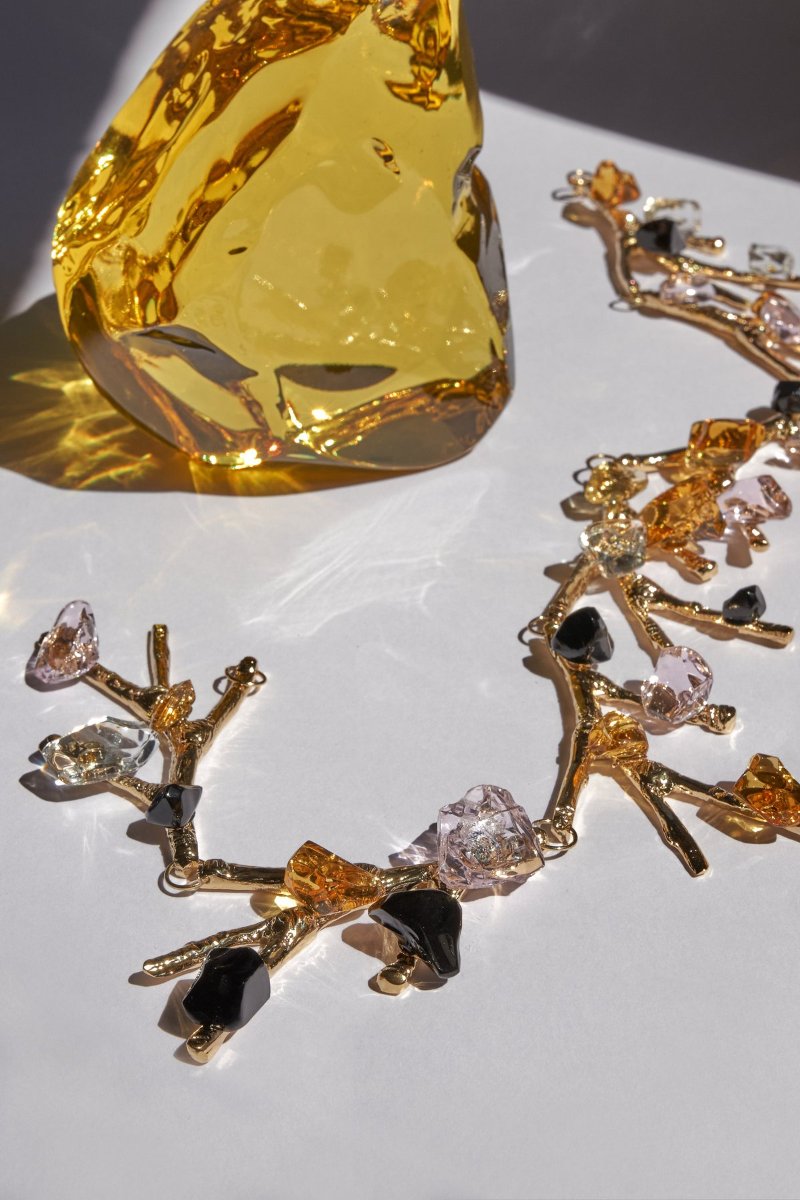
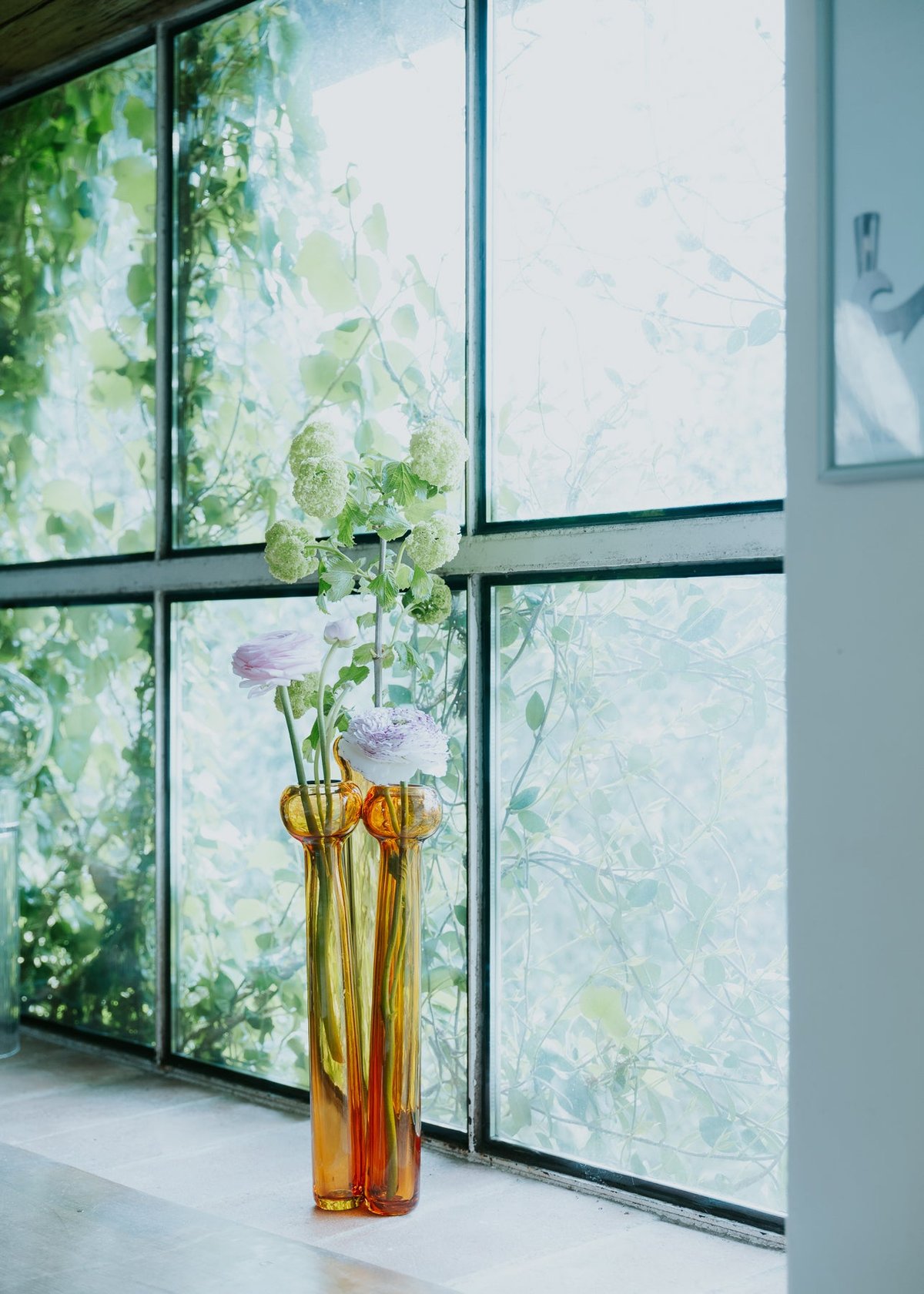
The brand's own line on it is that the most beautiful material in crystal production is the material nobody was using. The crystal and the ceramics stand in the same window at the shop on Via Palazzuolo in Florence, open Tuesday to Saturday.
Every piece is reworked from a shape the workshop had made before.