




MAOMI Interior · Mannheim, Germany
The joinery that builds wine barrels
MAOMI makes tableware and home pieces, each family of pieces built by a single partner workshop, five of them in five countries. Uta Meeder founded the label in Mannheim and spent four weeks inside the Vietnamese porcelain factory.
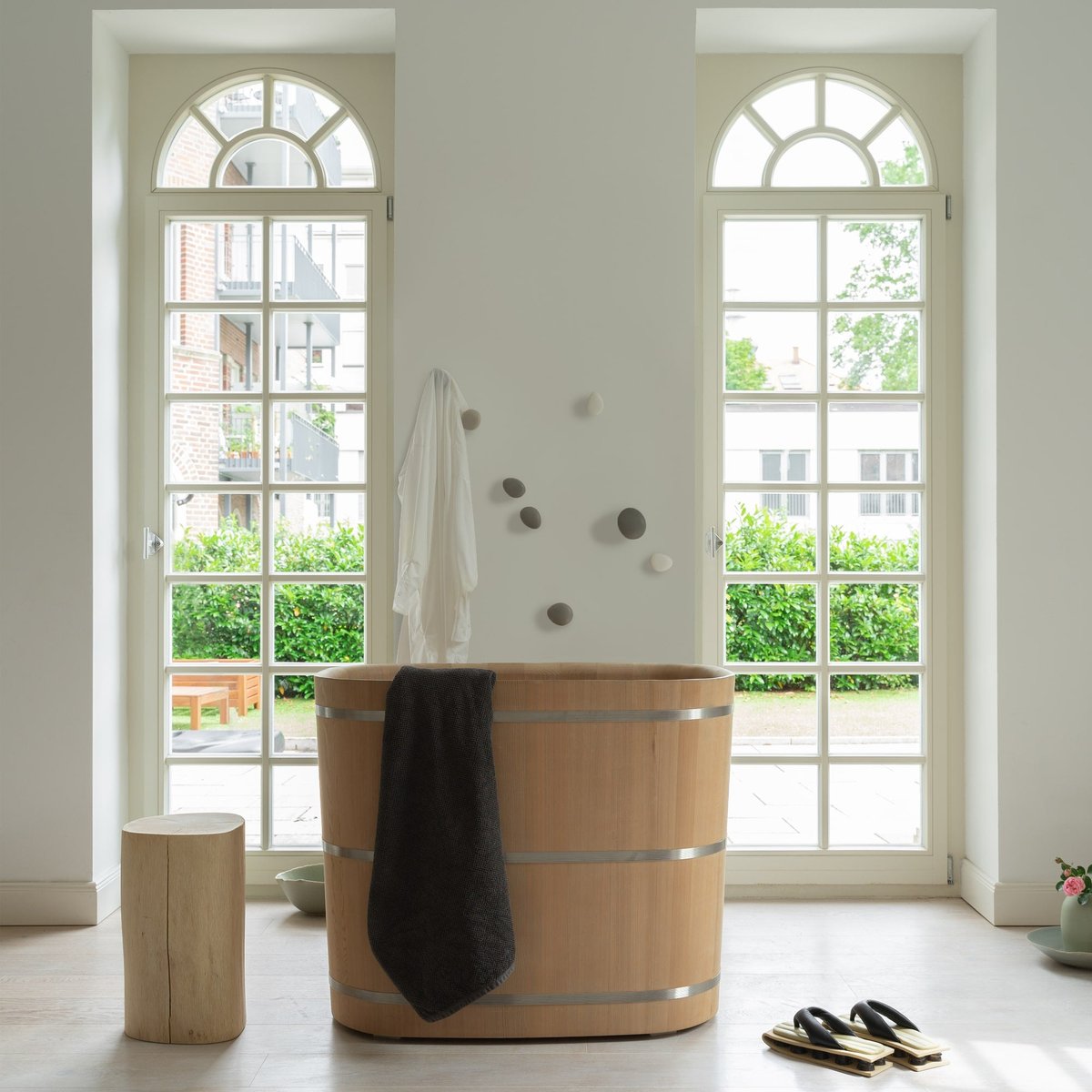
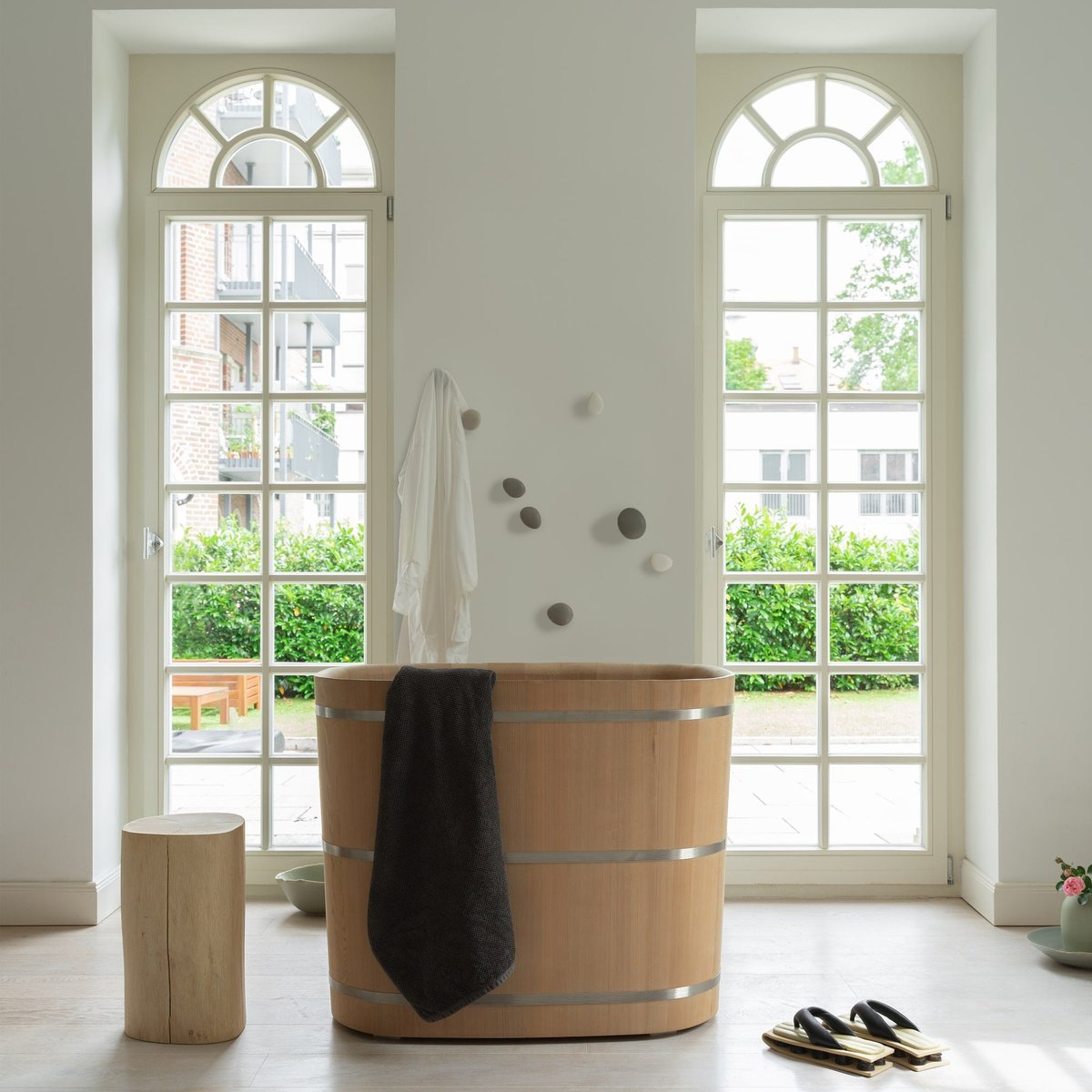
The OFURO bathtub is built in a medium-sized joinery in the Palatinate, chosen because the team there knows how to make wine barrels. That is what lets the tub get by with almost no glue or solvent. The floor is compacted with rye flour paste and reed leaf, the wood is North American cedar, and the boards are selected, put in order, measured, sawn, milled, assembled once in a steel hoop as a test, then sanded for hours. A finished tub weighs about fifty kilos and is held by three steel bands. It is built after the order arrives and ships about five weeks later.
Sri Lanka, since 1968
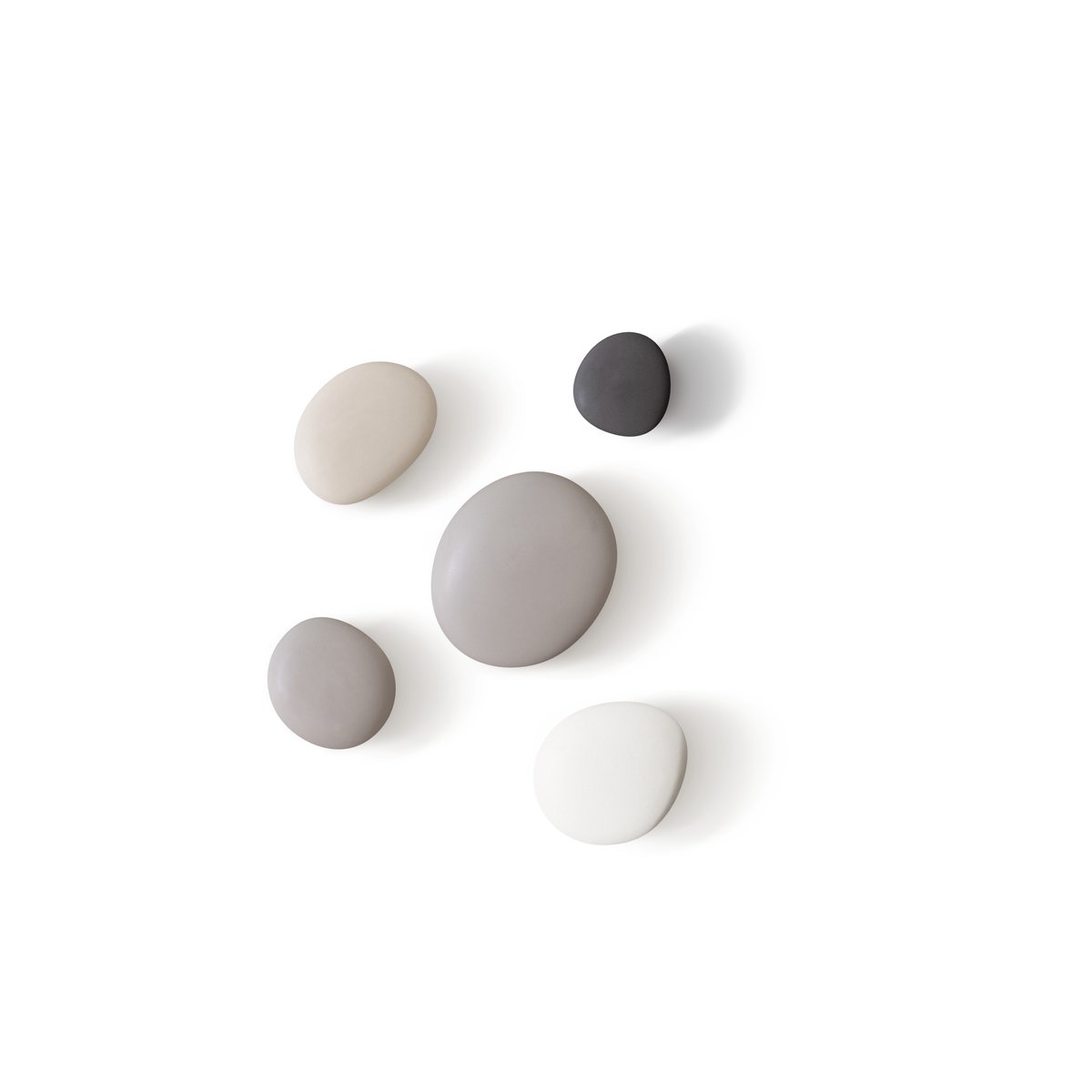
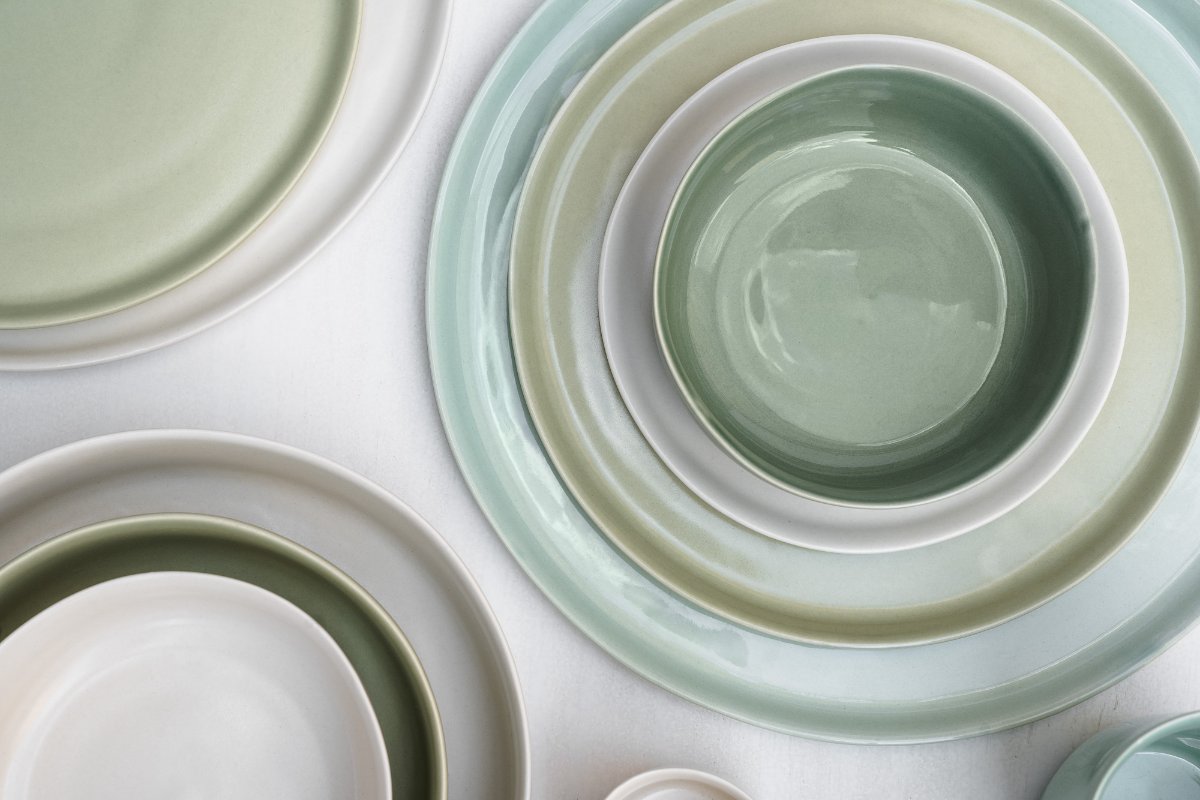
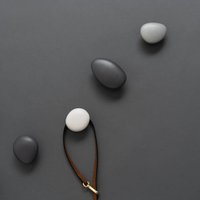
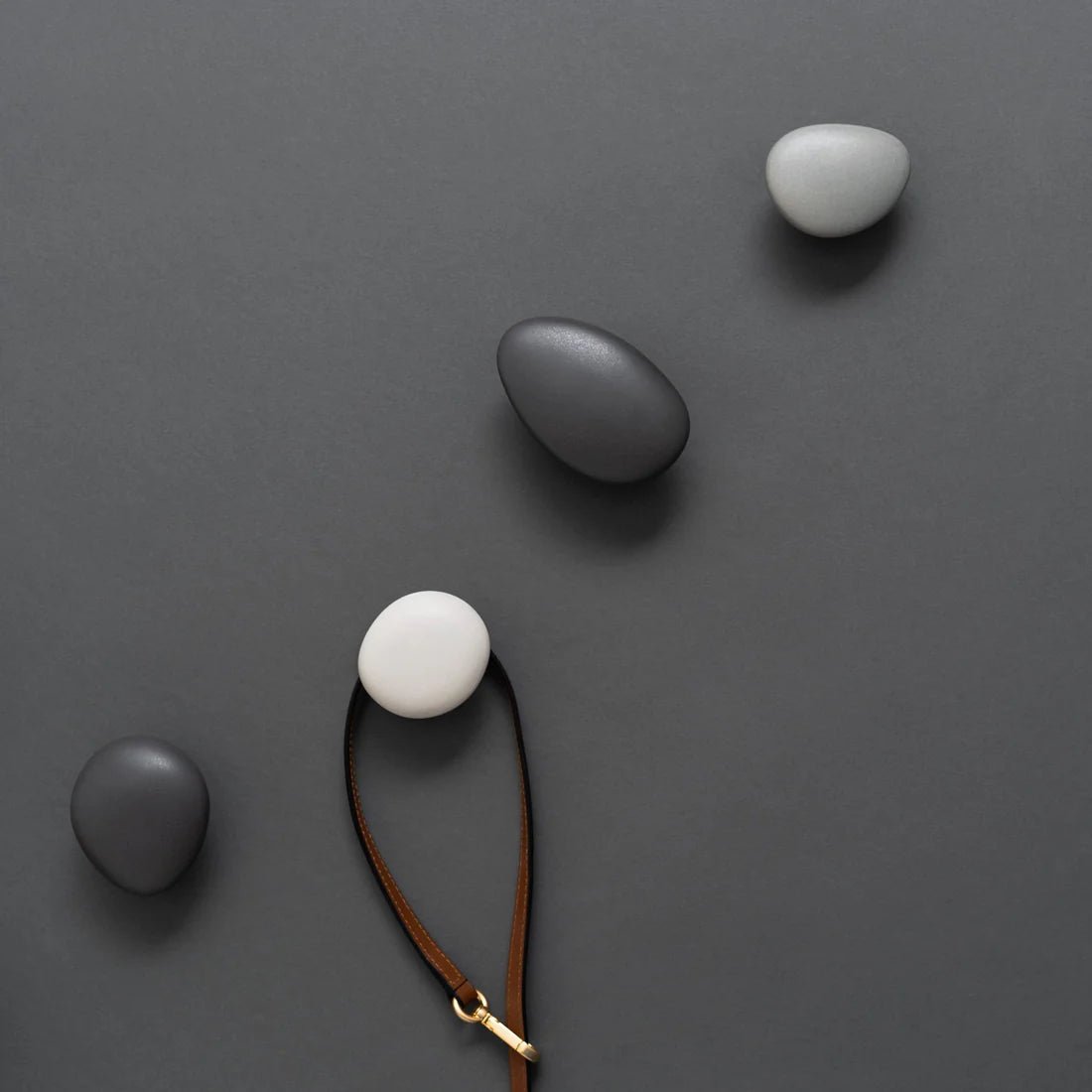
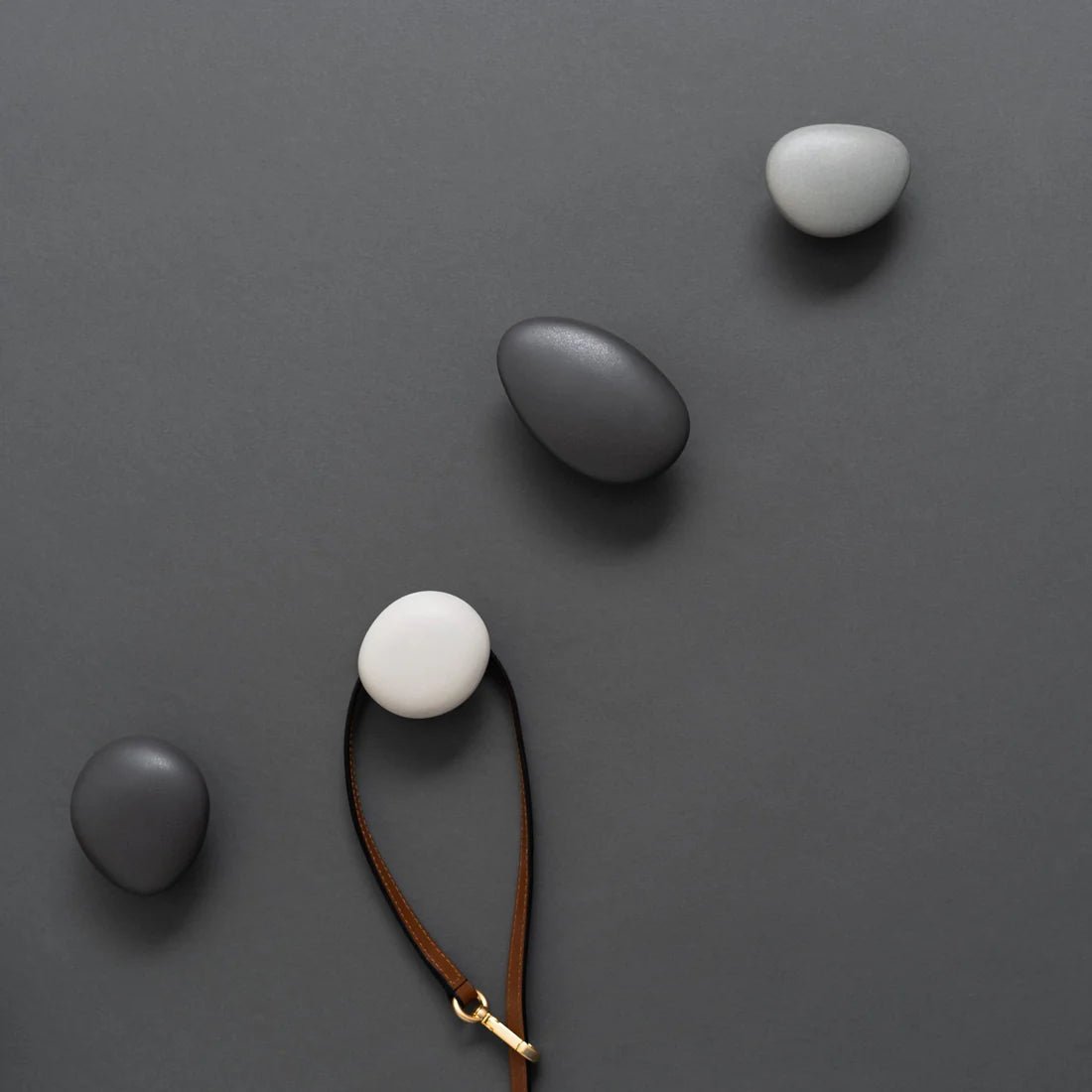
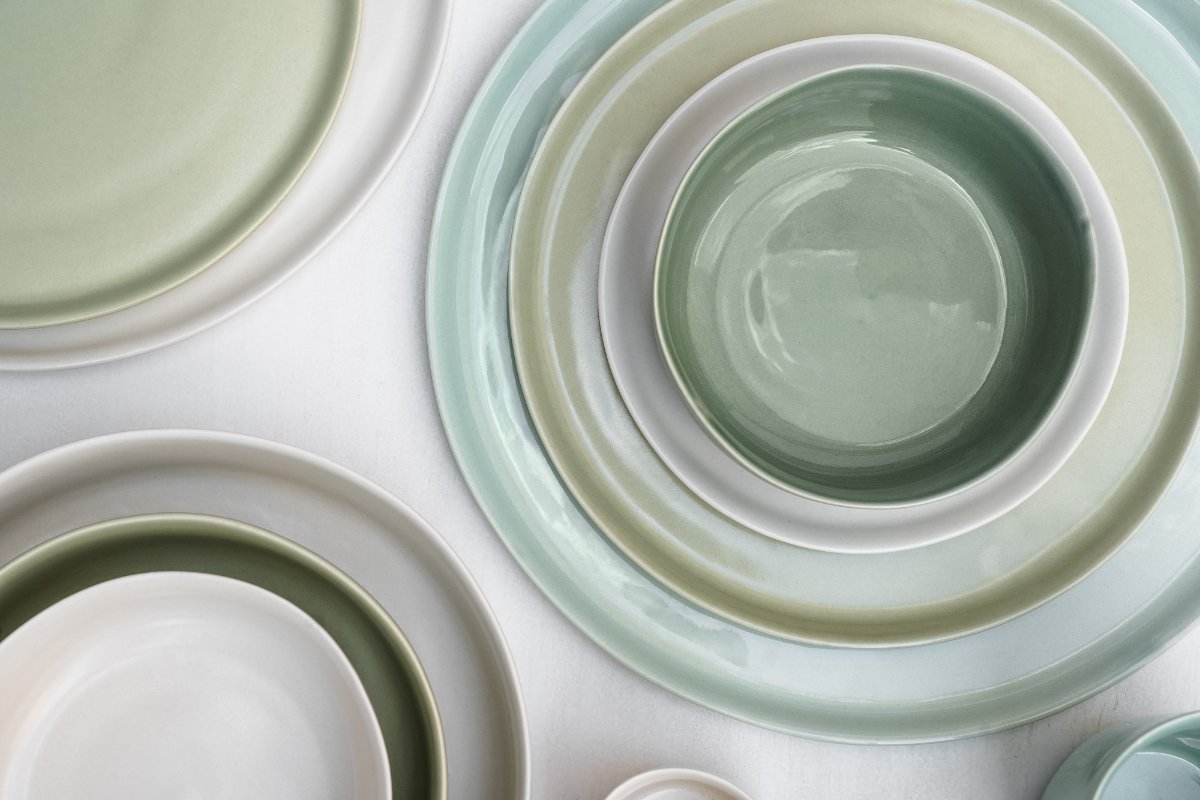
HOOKS and the ELEPHANT FEET stoneware come from Midaya, a ceramics works that Dayasiri Warnakulasooriya started in 1968 and that his son runs now. A Colombo paper counted about two hundred and fifty people there, nine in ten of them women, and the pieces are painted by hand. Both series were developed with Emmanuel Boos, a French porcelain artist who took a special mention at the LOEWE Foundation Craft Prize in 2024. ELEPHANT FEET reworks celadon, the old Chinese green.
The gong at twelve
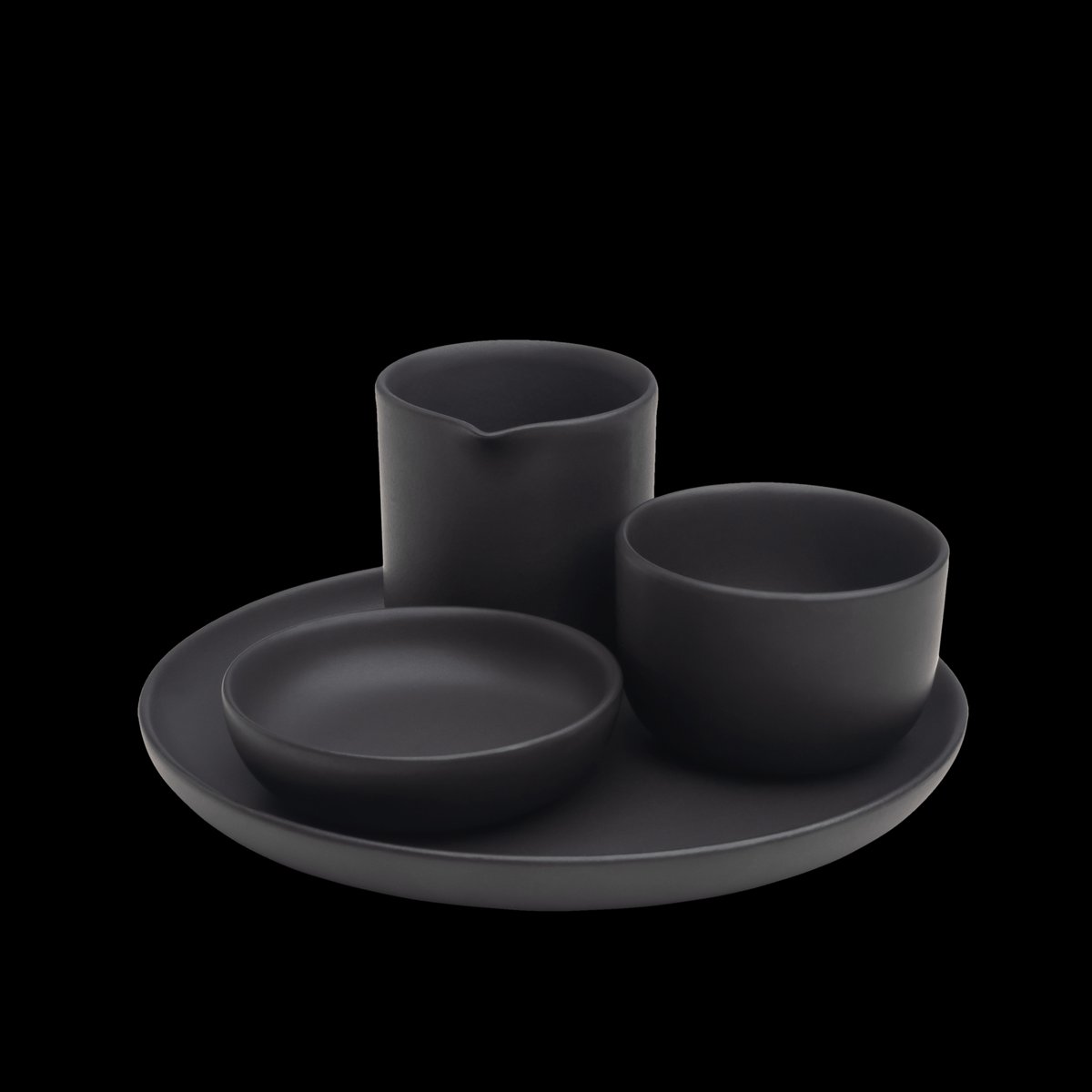
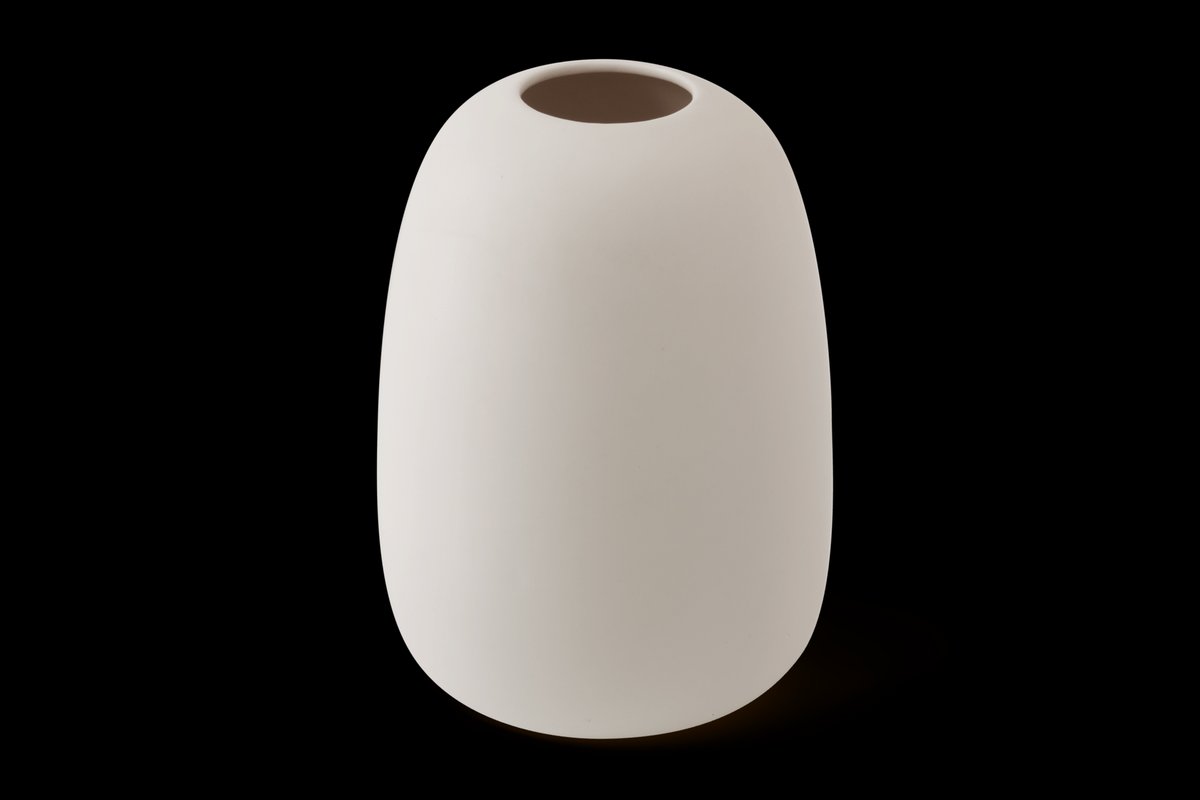
The porcelain comes from a small factory in Vietnam with about eighty people on the floor. At noon the cook rings a gong and the work stops for ninety minutes. At four, after seven hours, the day is done. The KAYA series is made there, and its hospitality version, KAYA H, drawn up for restaurant use, won a German Design Award in 2025.
Olive wood and oak
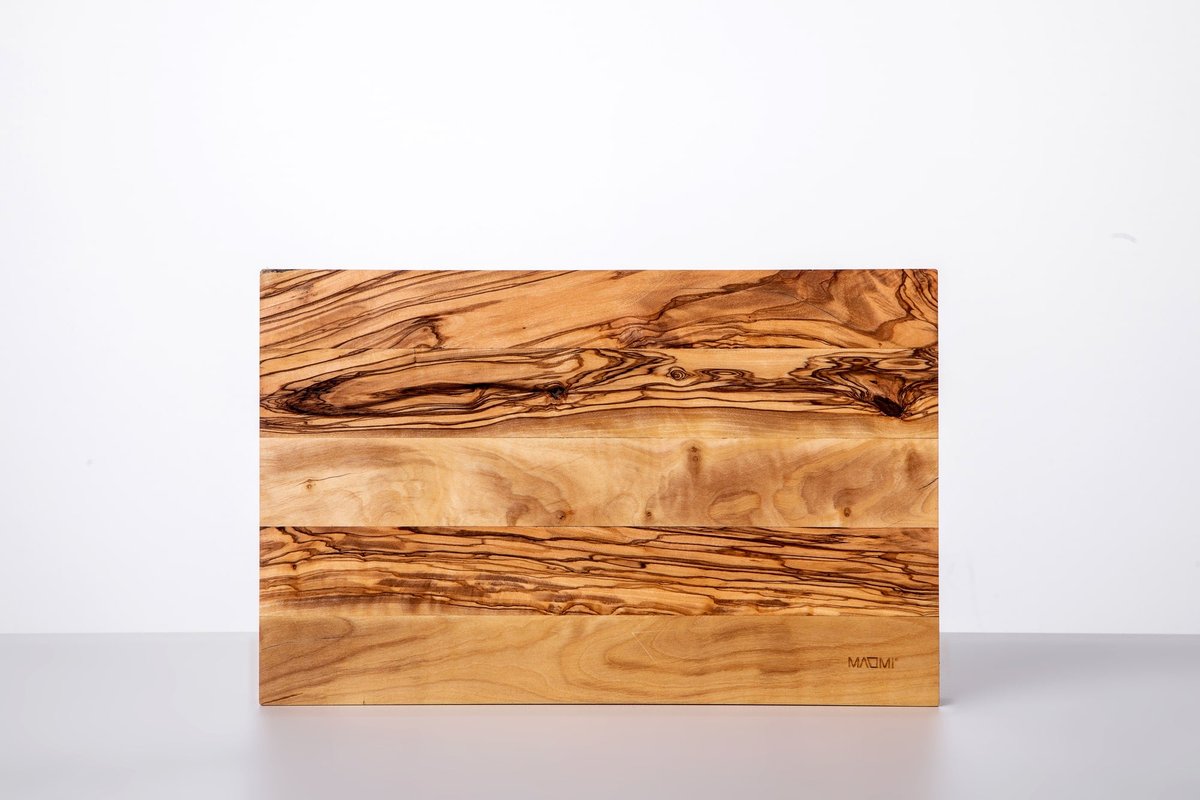
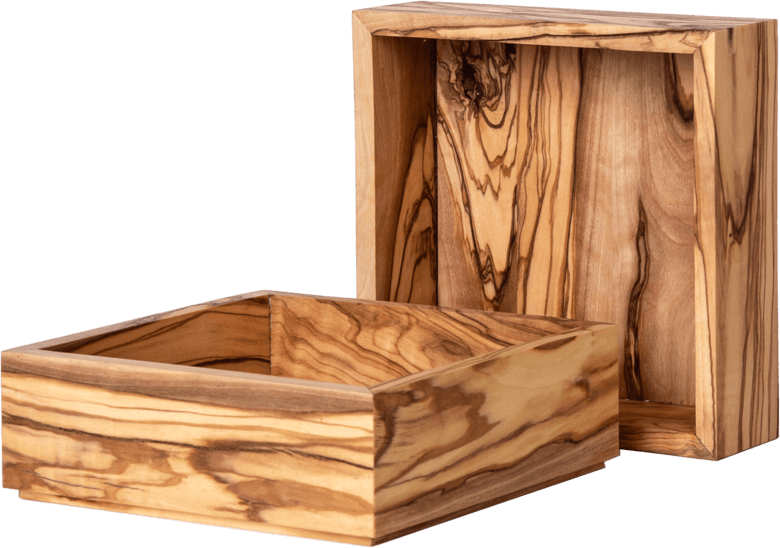
A small family workshop in Turkey cuts the TRAYS and the BENNY boards. The olive it uses comes from trees that have stopped bearing fruit, so no grower gives up a harvest for a chopping board. The wood is dried down to under ten percent moisture, which is why a board stays flat for years.
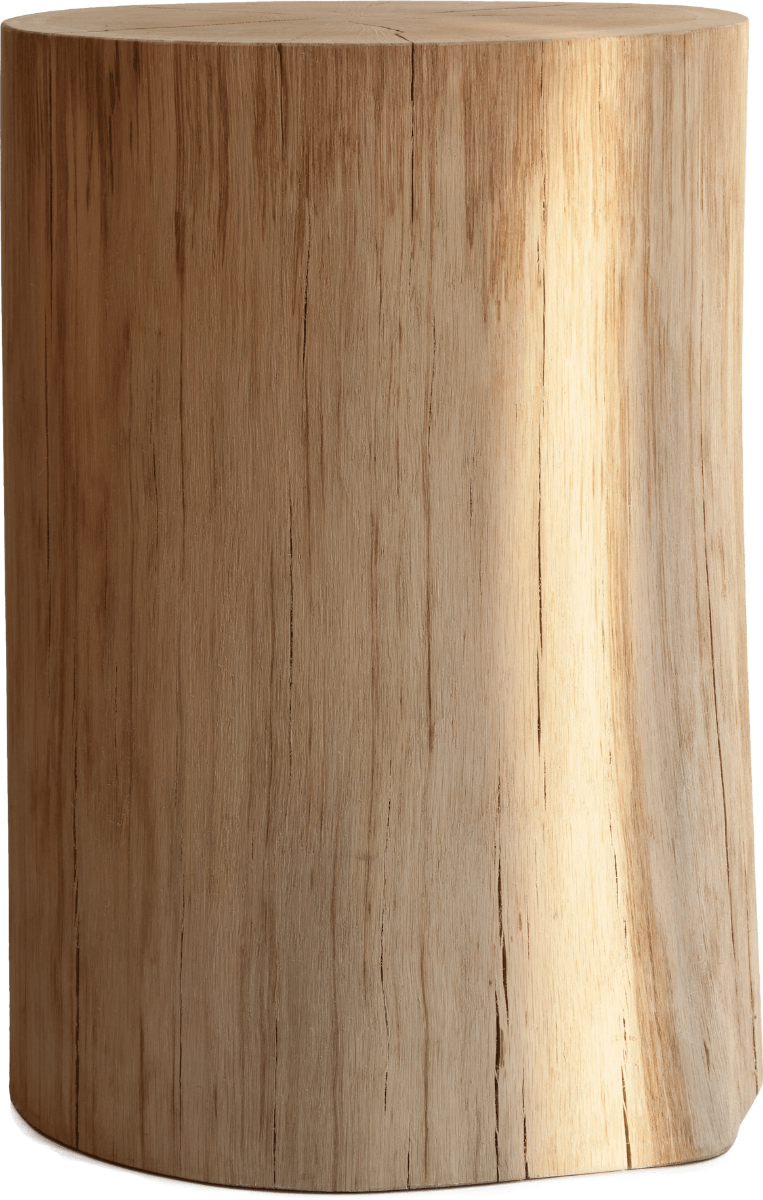
PAUL is plainer. A Polish oak trunk, cut to length, bark stripped, dried slowly and sanded by hand, and no two of them come out the same.
Each of those workshops has its own page on the website.