Frymark Clothing · Berlin, Germany
Loud colours, quiet messages
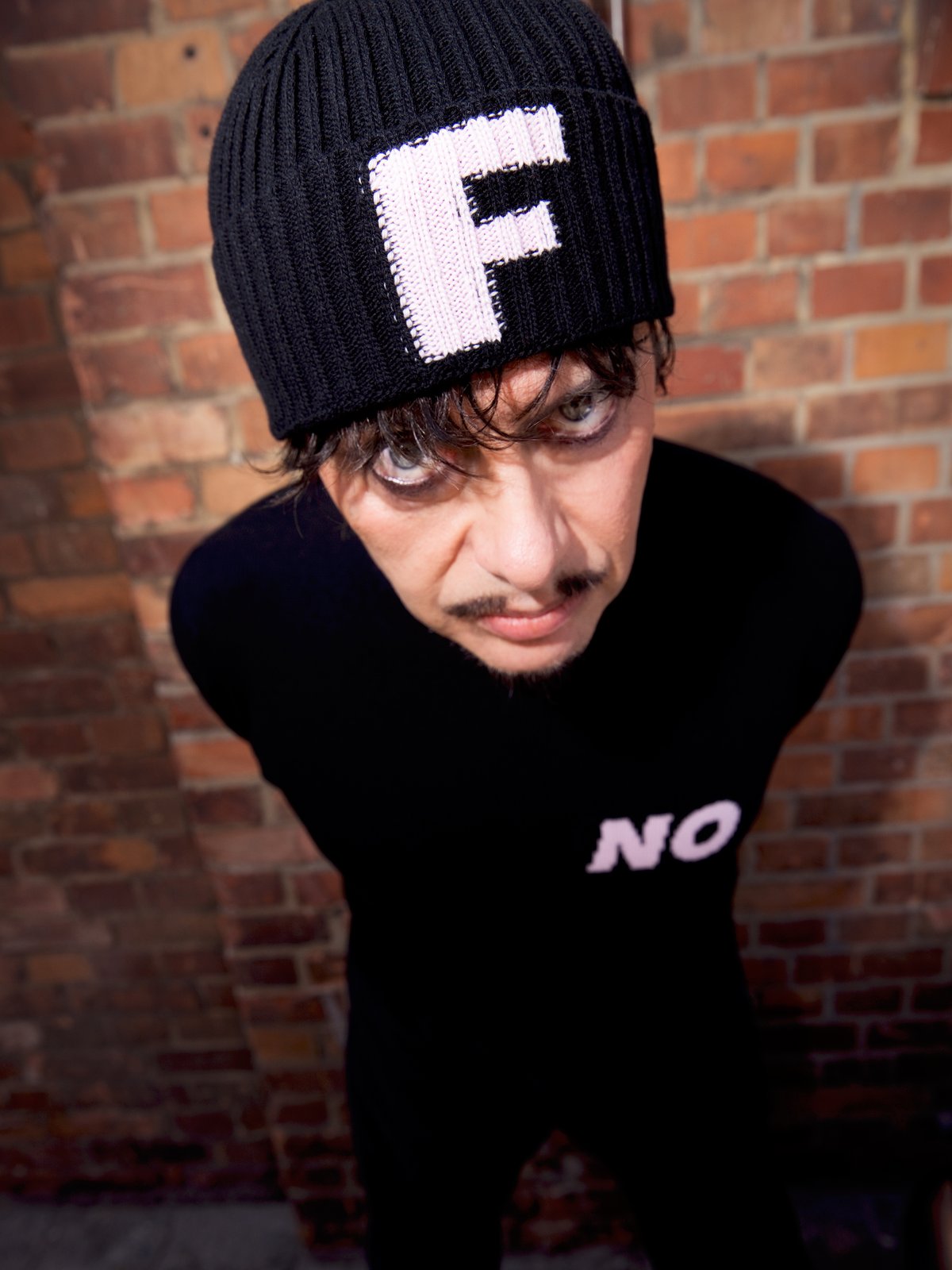
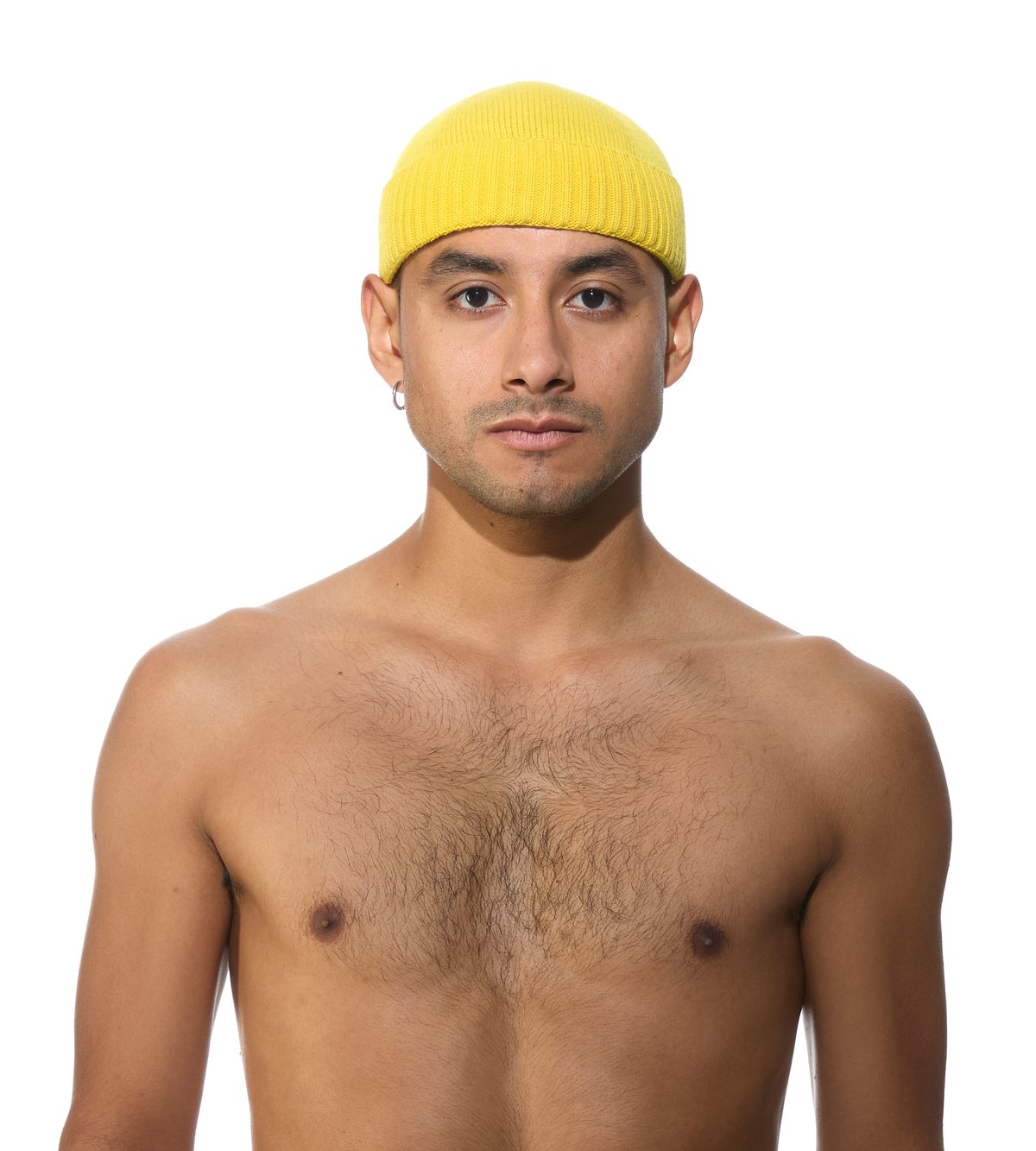
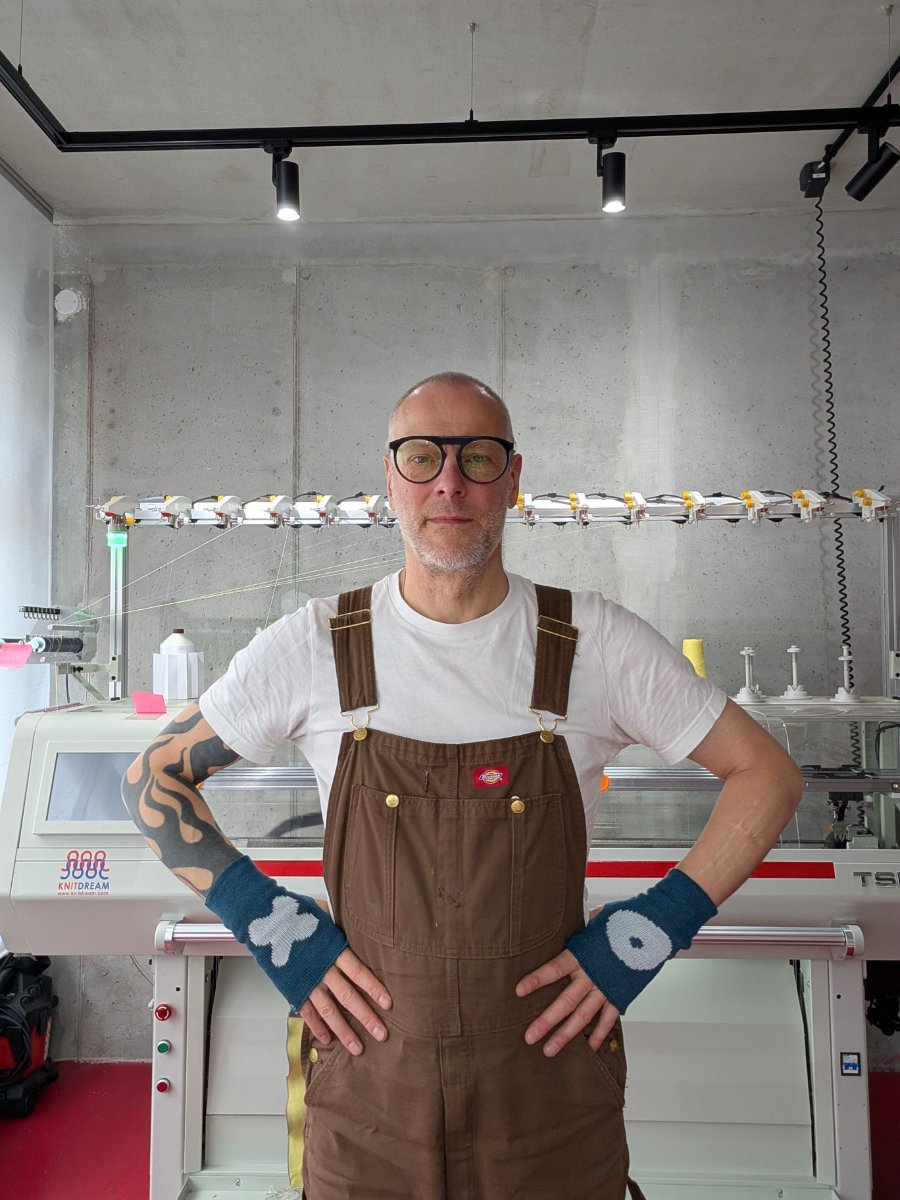
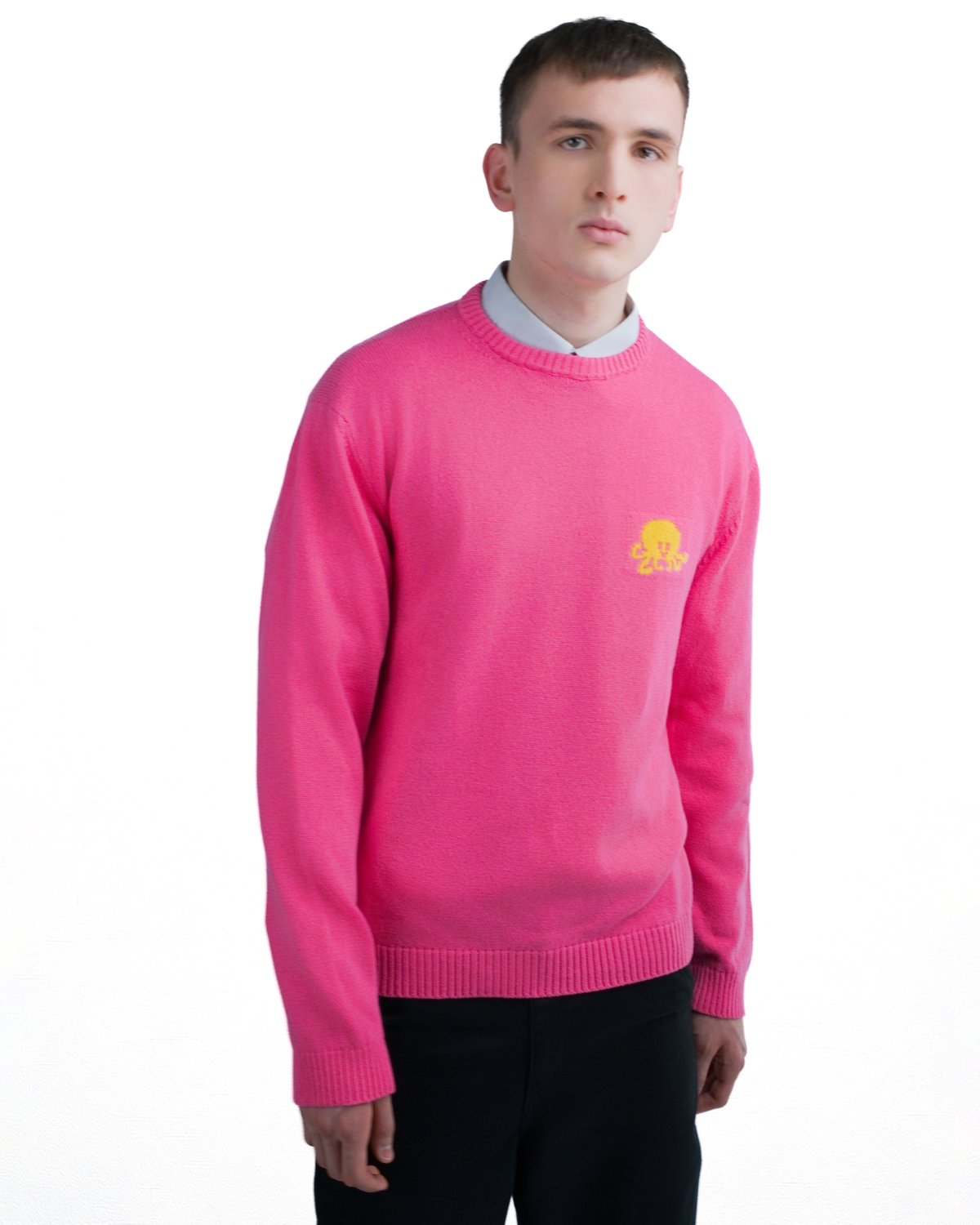
After 25 years of building ad funnels, Eric Frymark took a year off in the Andes, where knitting is men’s work. Today he designs, knits and ships every piece himself from Berlin-Weißensee: bright colours, big type, and a small message in each one.
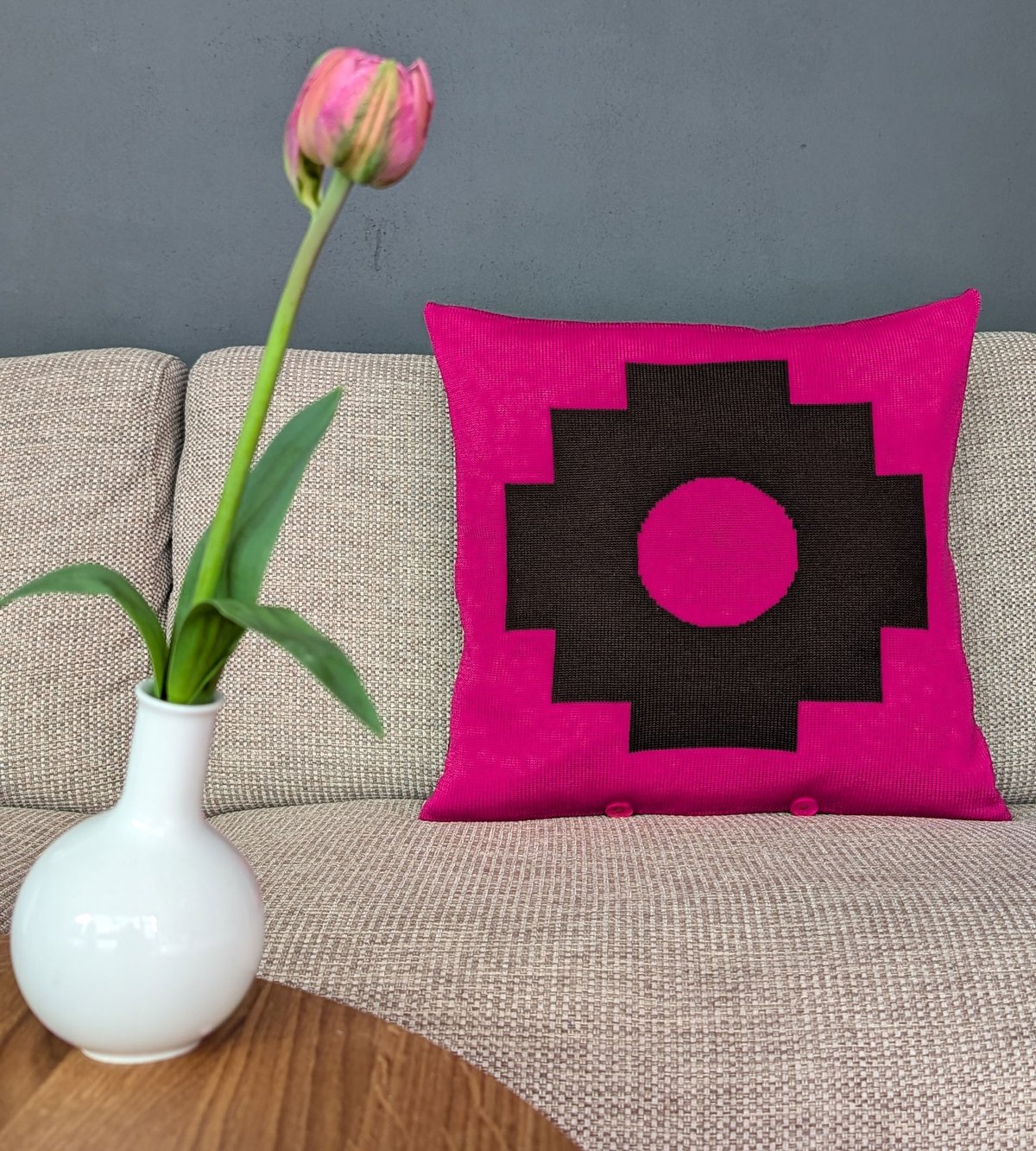
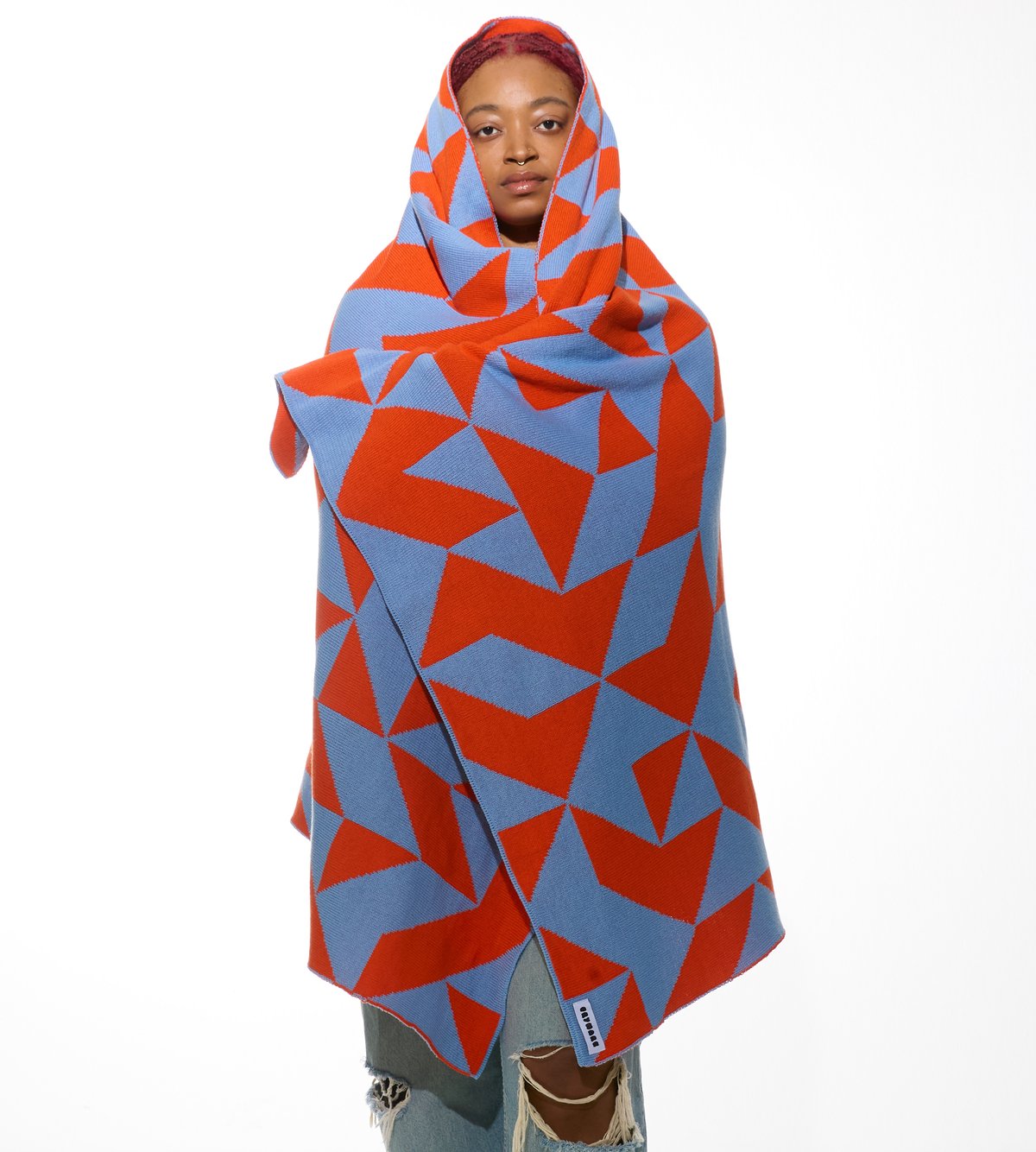
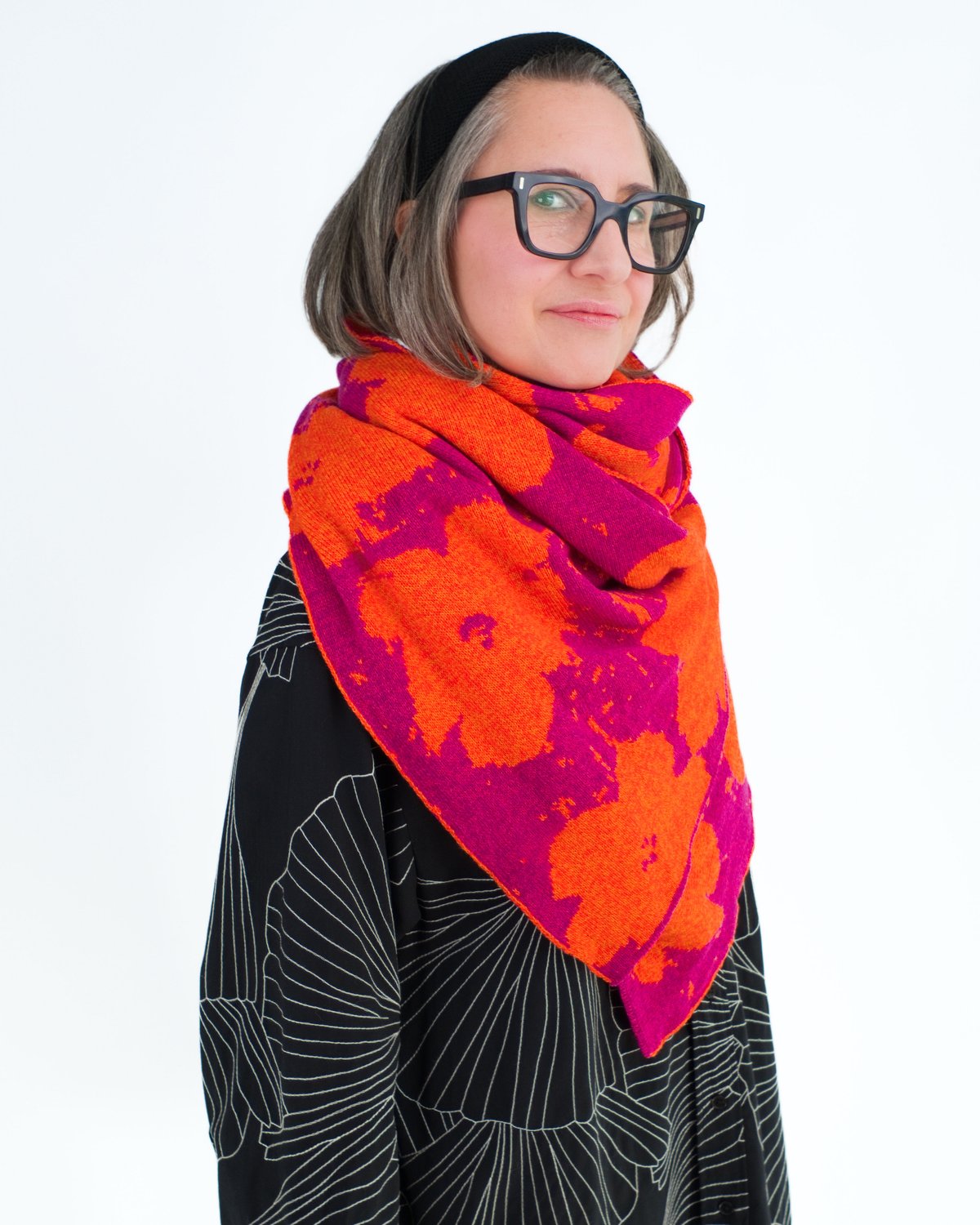
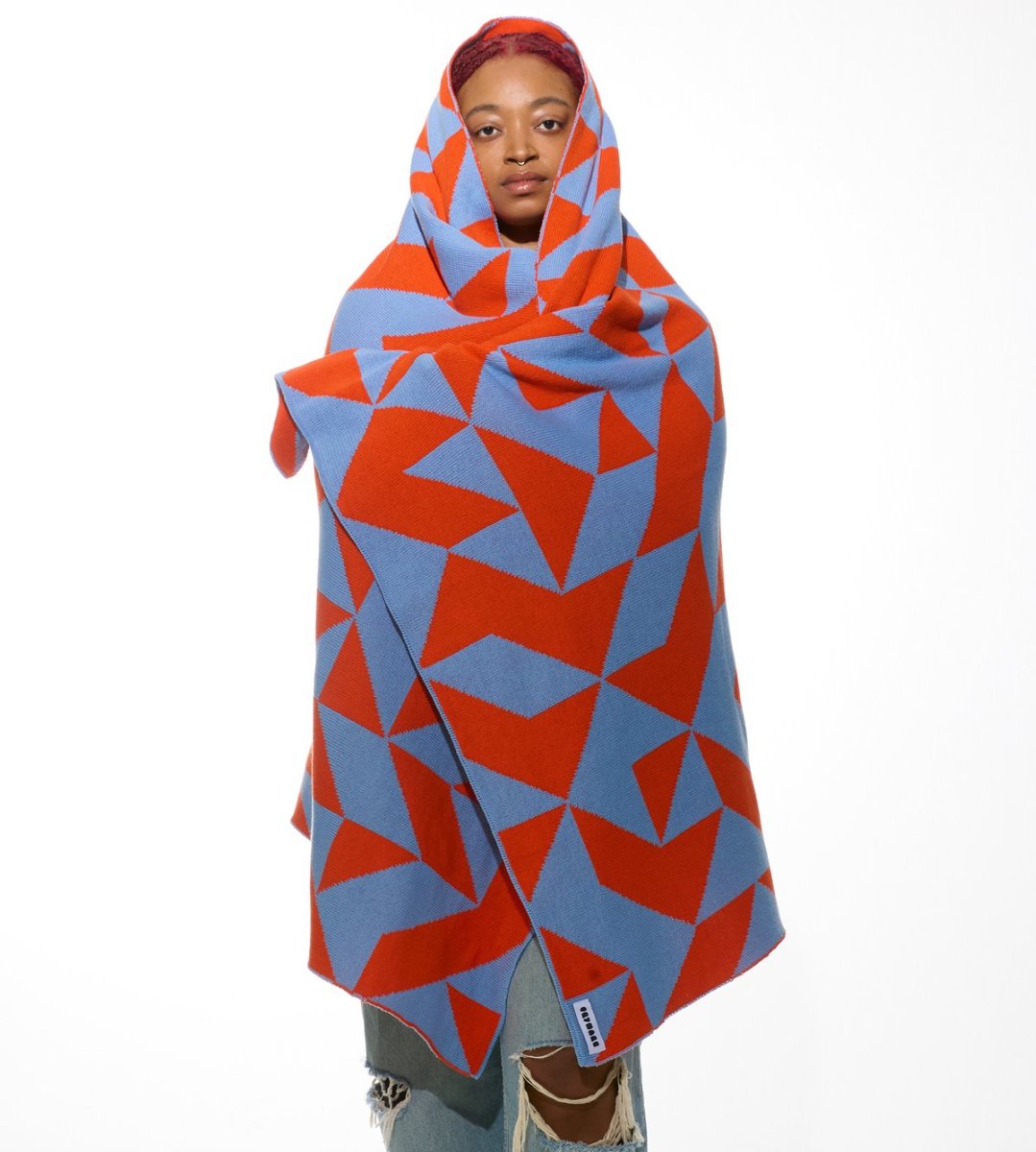
Eric finished studying graphic design in the mid-nineties, just as the internet arrived, and threw himself in, building some of the first websites. Twenty-five years later his days were funnels, Meta and Google Ads. It paid well, he says, but it had become empty. He took a year off, travelled through the Andes and went into every museum and workshop he could find. It brought back an old love: he grew up with his grandmother, who was always making something by hand. Back in Berlin he bought a knitting machine that was, in his words, rubbish, and learned on it anyway. The Anni throw comes off the professional machine that replaced it: two layers joined in Jacquard, orange and pale-blue triangles, about a metre wide because that is as wide as the machine goes. The wool comes from Italian family mills, some of them three or four hundred years old.
Loud on purpose
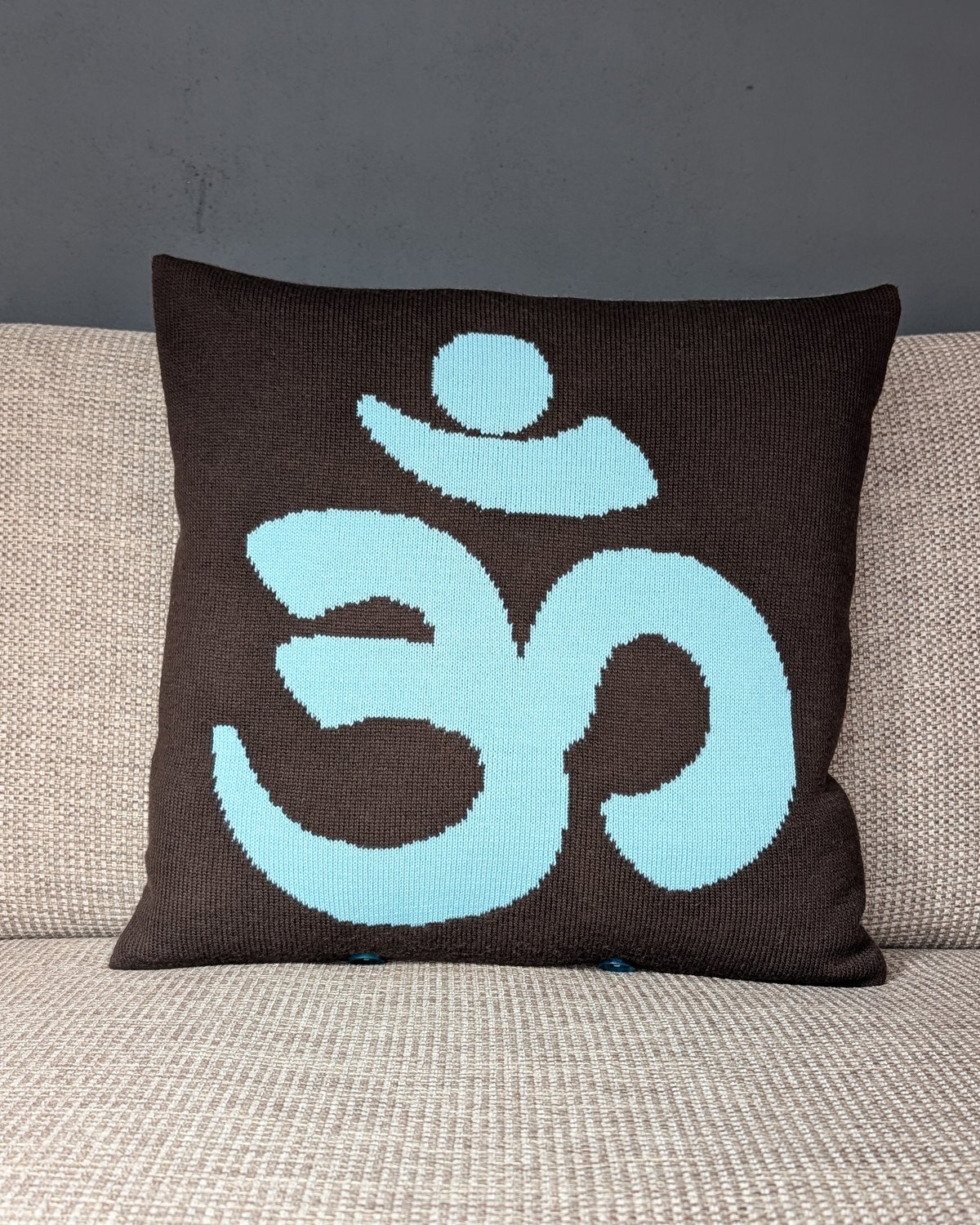
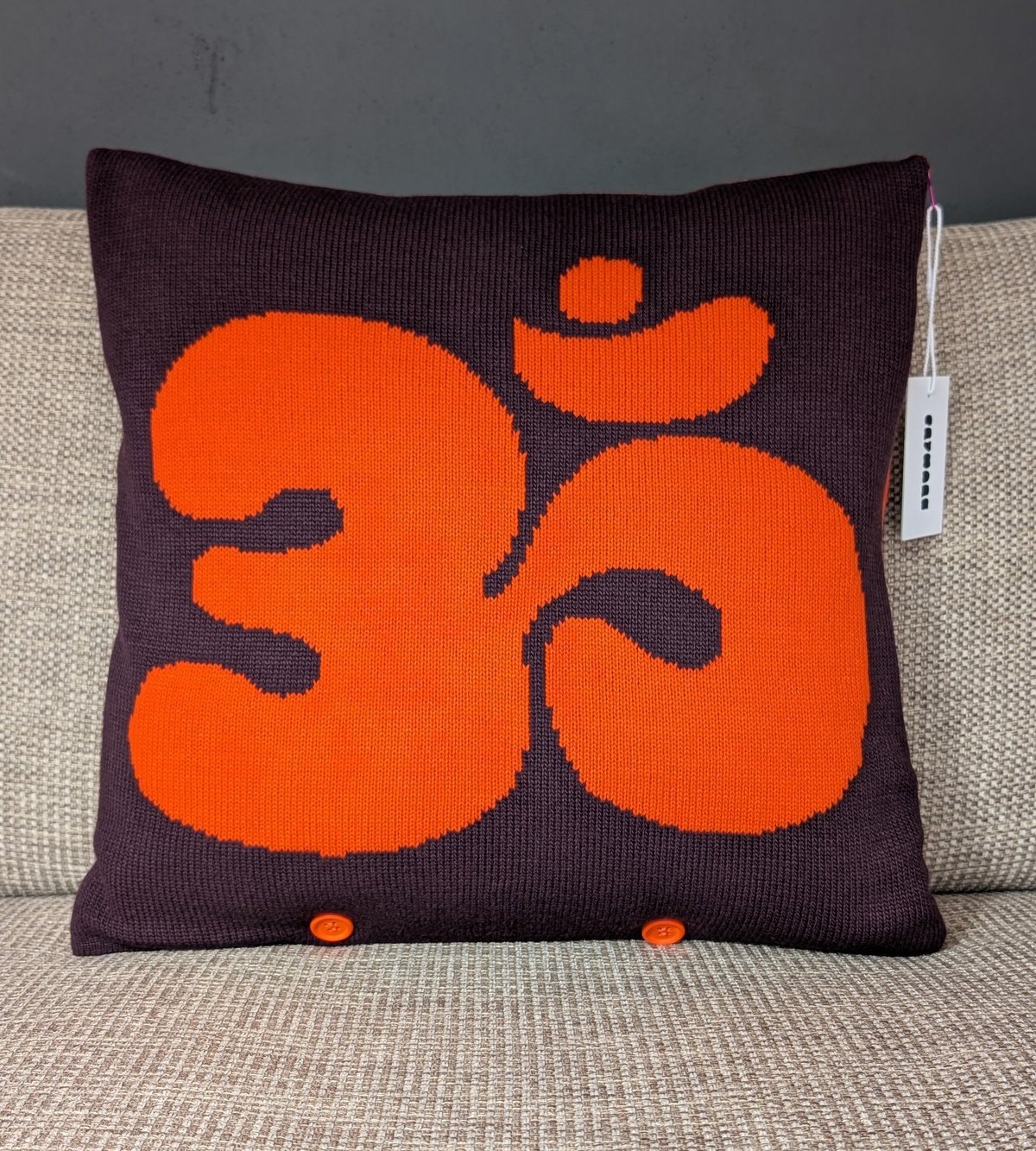
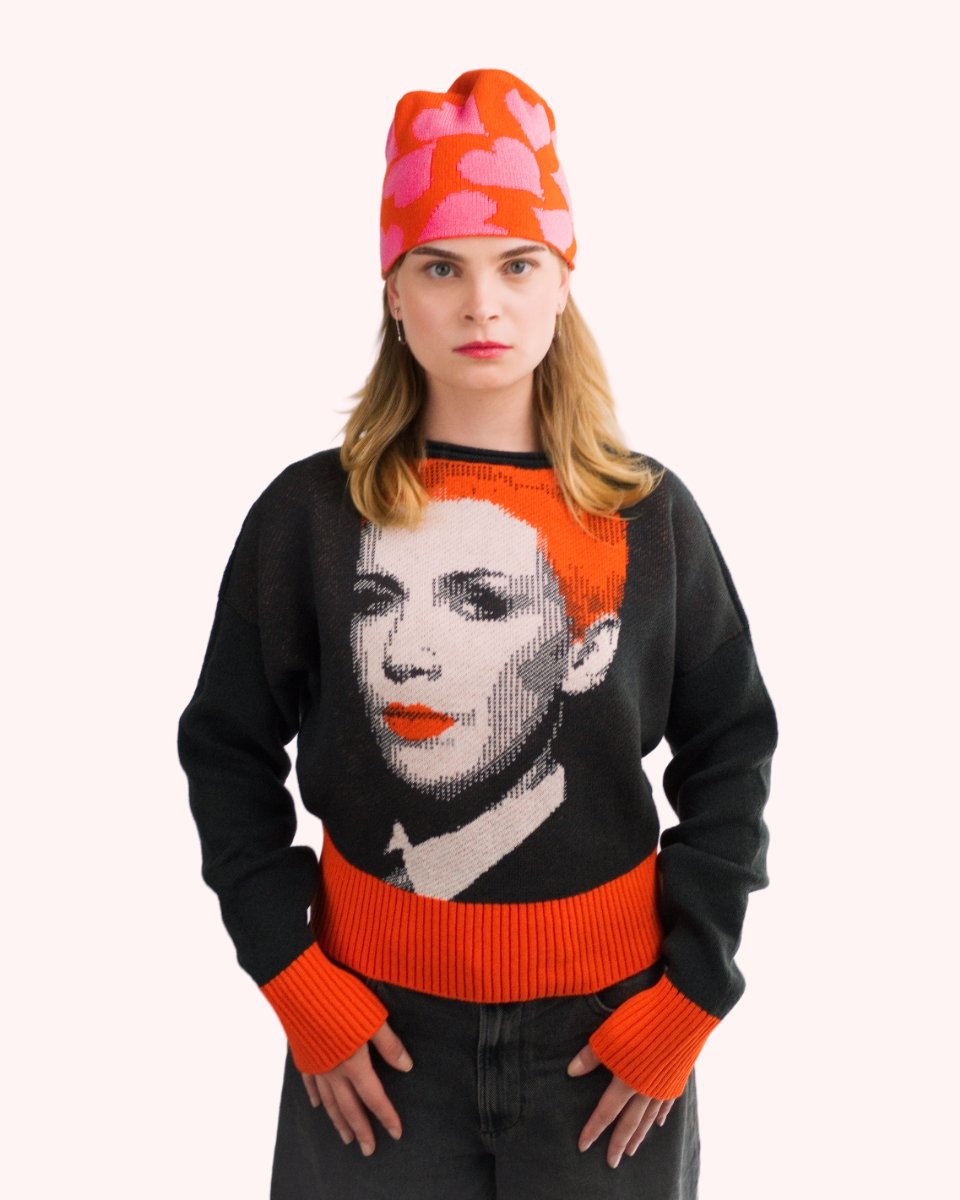
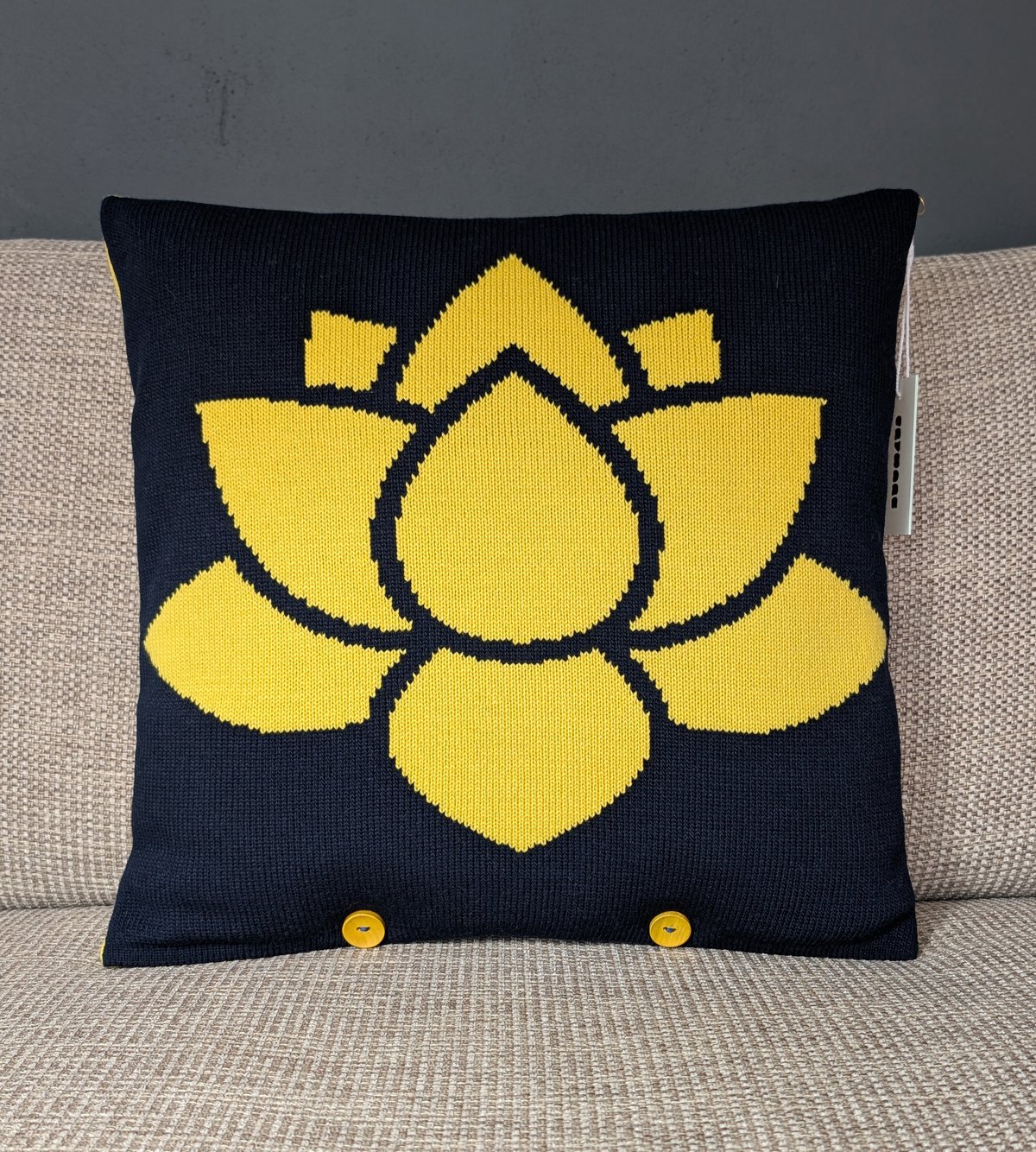
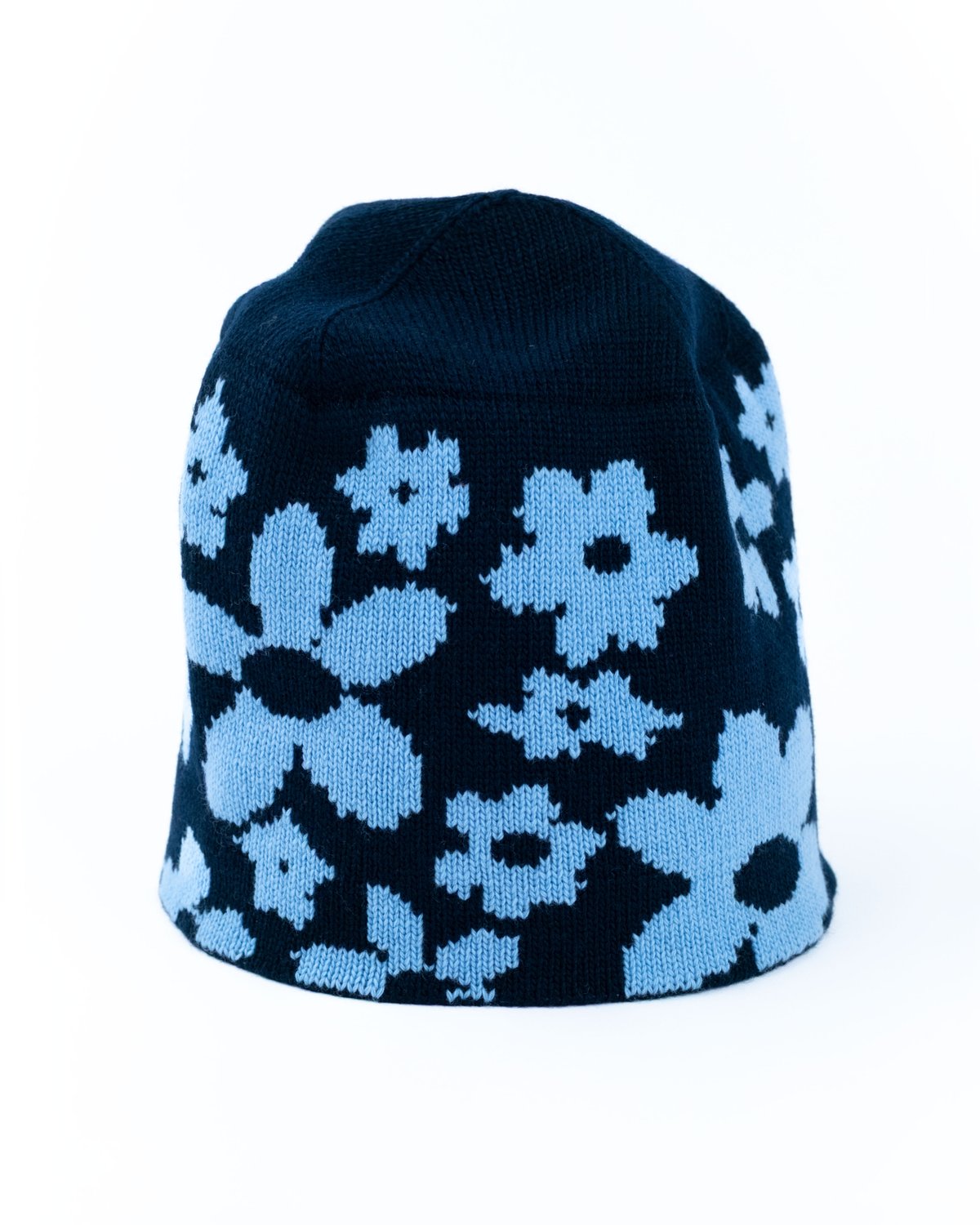
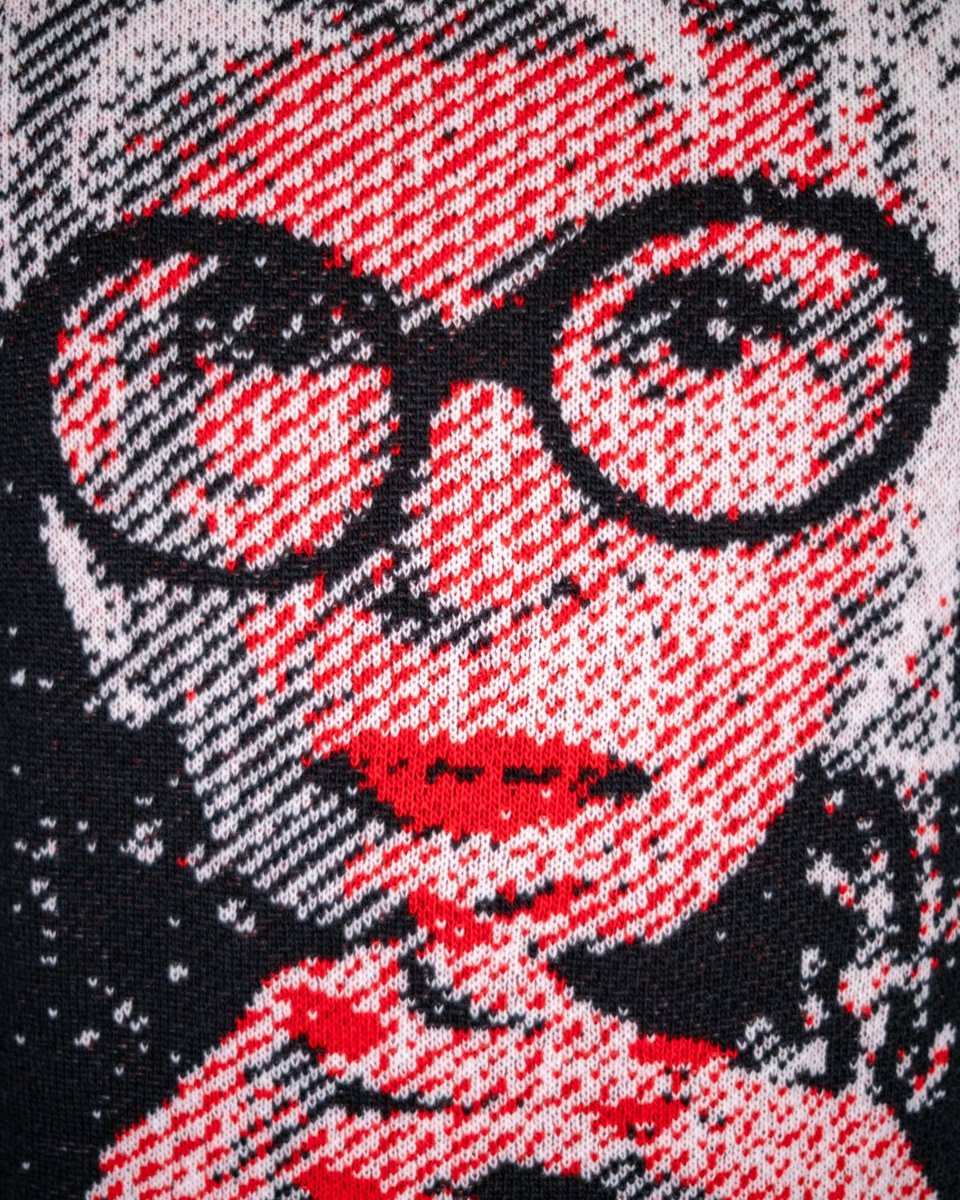
His knits still look like his design work: bright colour, big type, a little loud. In Diva One, three fine threads build a face in a three-colour Jacquard, the dark glasses traceable down to the single stitch. Getting there took three years. Eric taught himself the machine the way he once taught himself to code, with help from old hands of the knitting industry in Romania, until the quality was something he could stand behind.
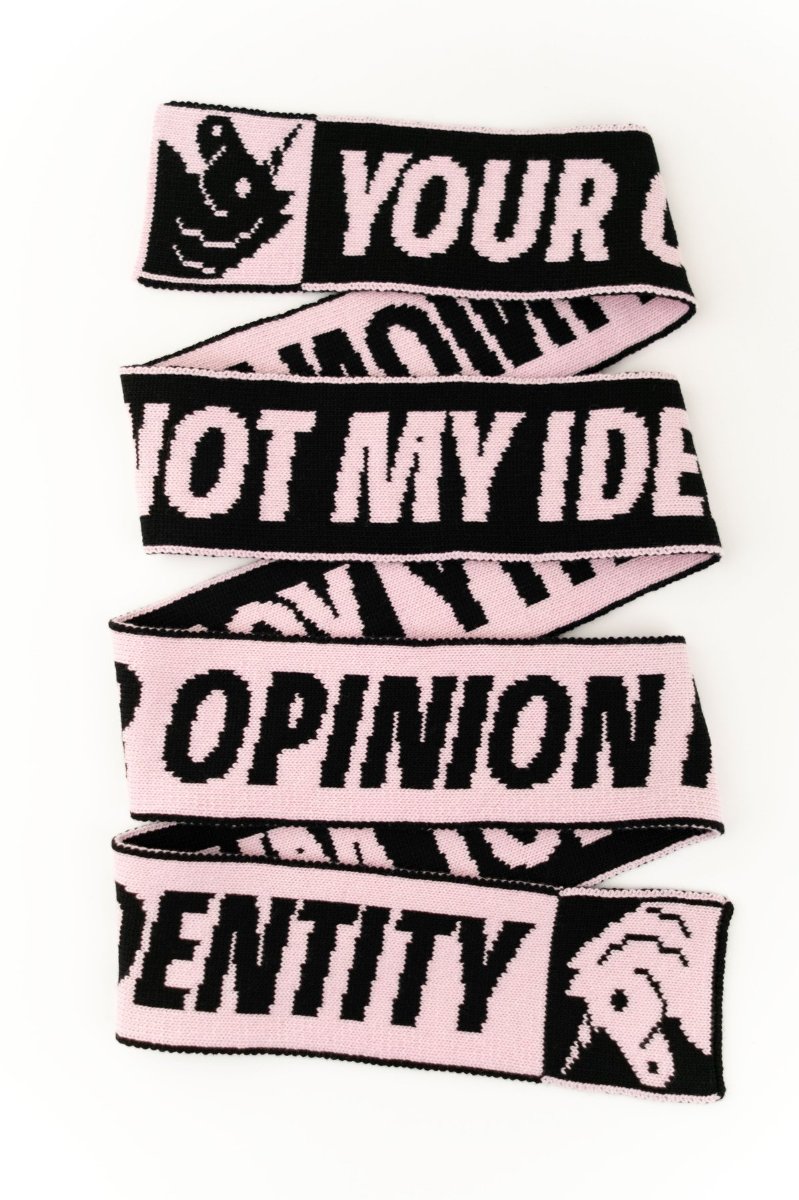
Eric is queer, and many of his pieces carry a small message about LGBTQ+ life, women’s empowerment or the hours we spend on screens. Identity, a black and pale-pink merino scarf, reads “Your opinion is not my identity”. Another scarf says “Slaves to the Algorithm”, a nod to Grace Jones’ “Slave to the Rhythm”. He doesn’t want to preach, he says, only to slip something in. Everything happens in his atelier in Weißensee: he designs, knits, finishes and ships it himself with one helper, and keeps the packaging as plastic-free as he can, without making a campaign of it.
Every piece leaves Weißensee packed by the person who knitted it.