


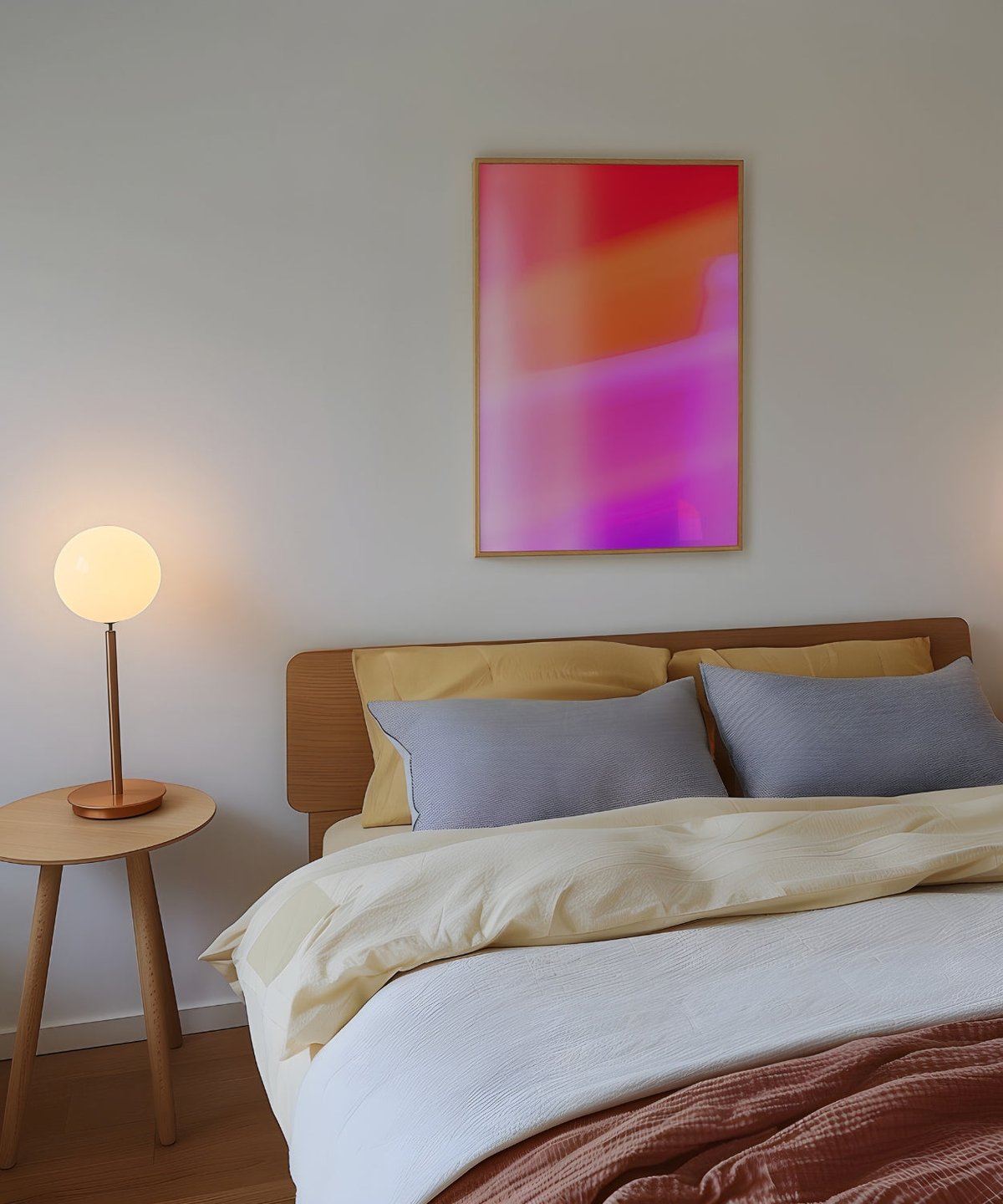
faaya collective Interior · Graz, Austria
Every artist arrives on two cards
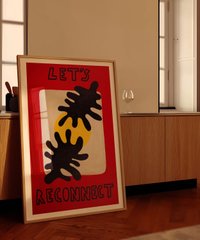
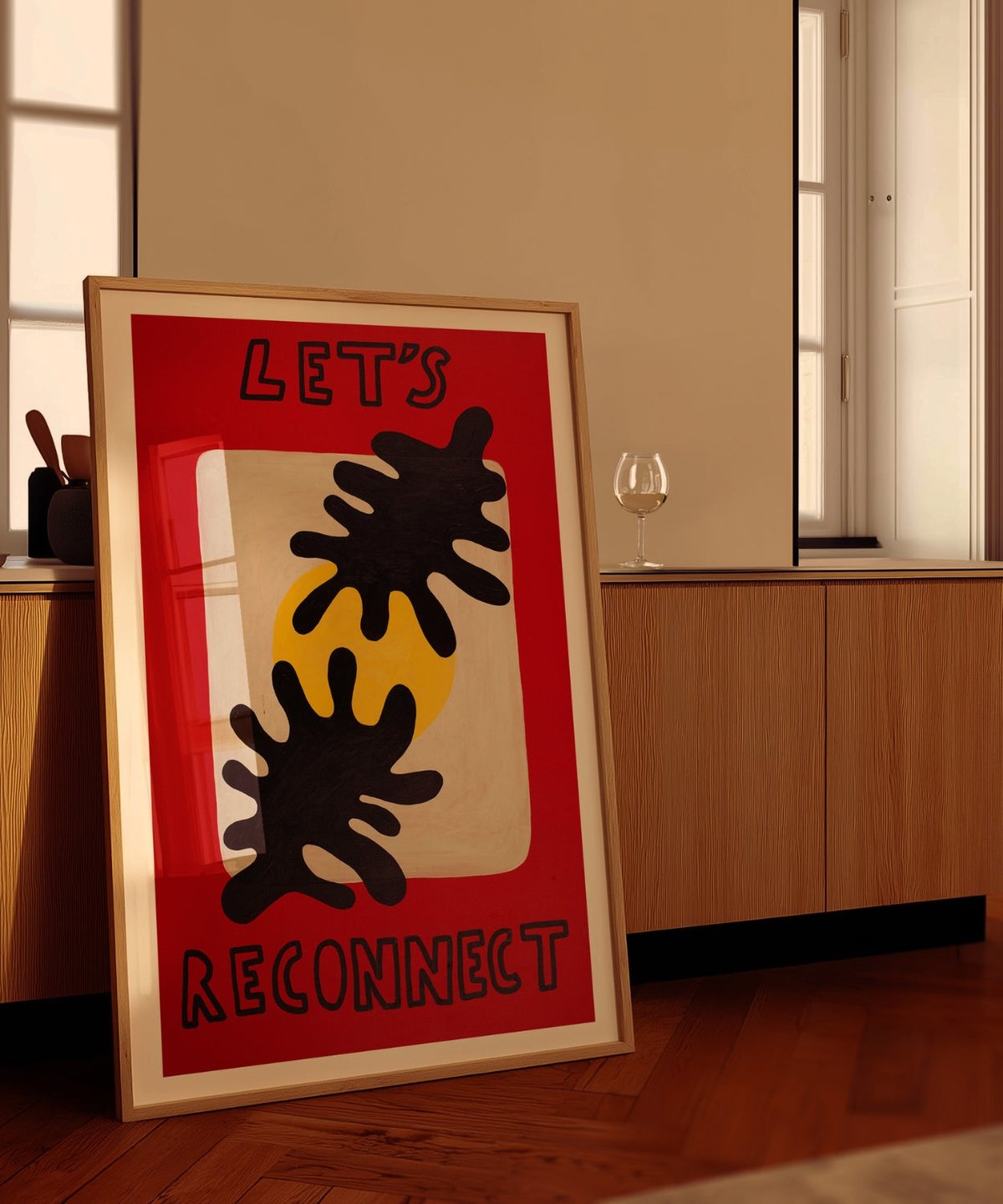
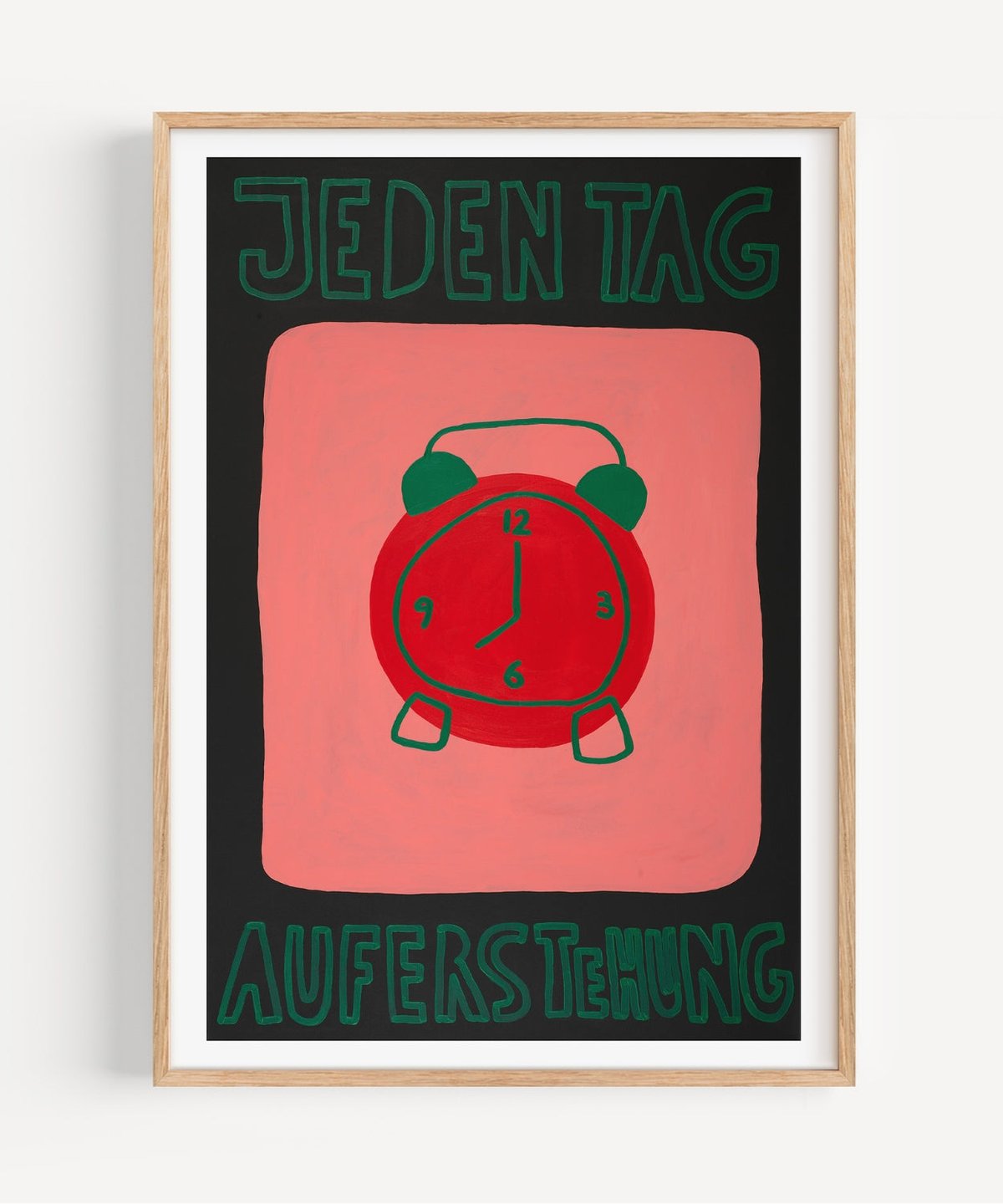
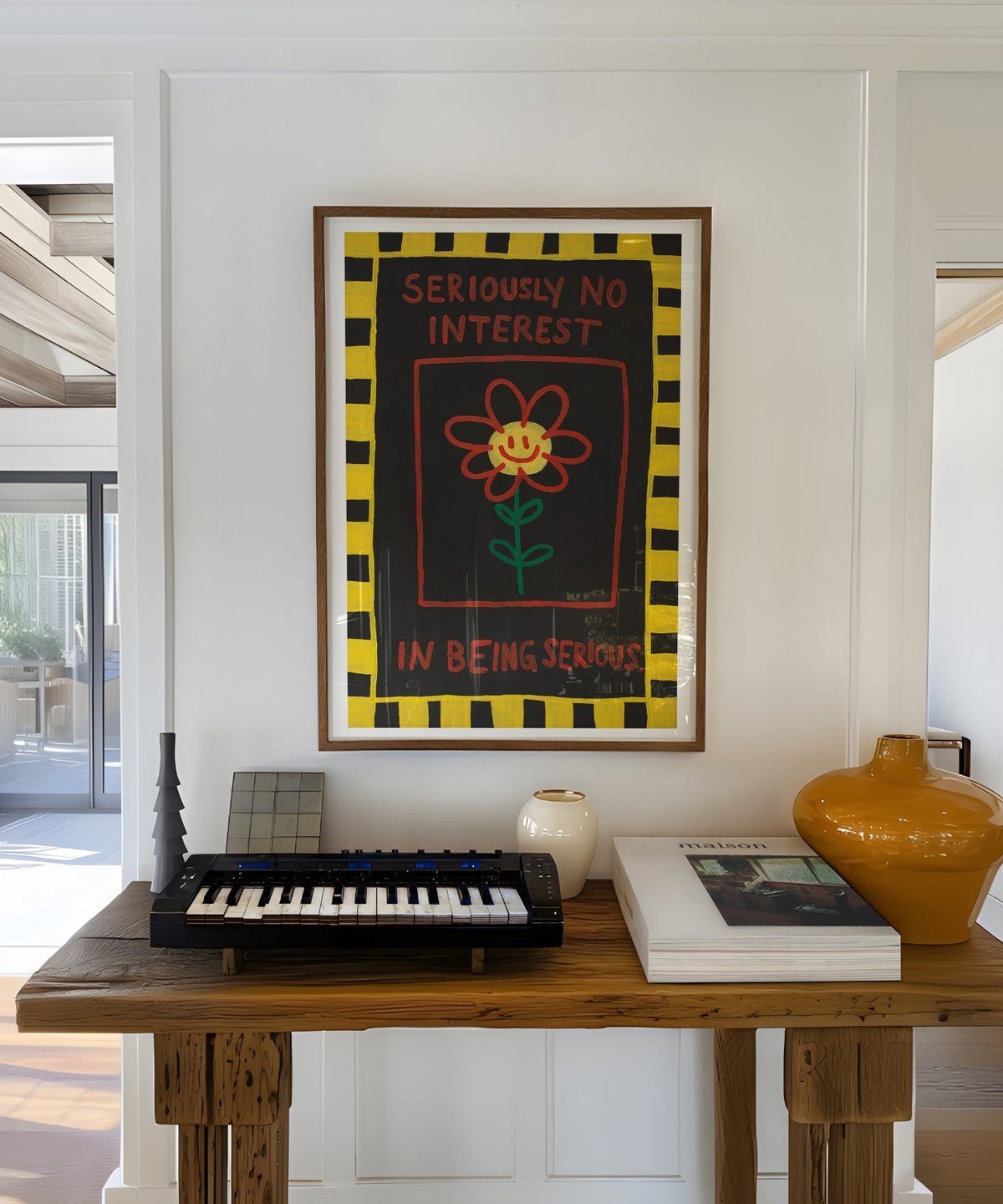
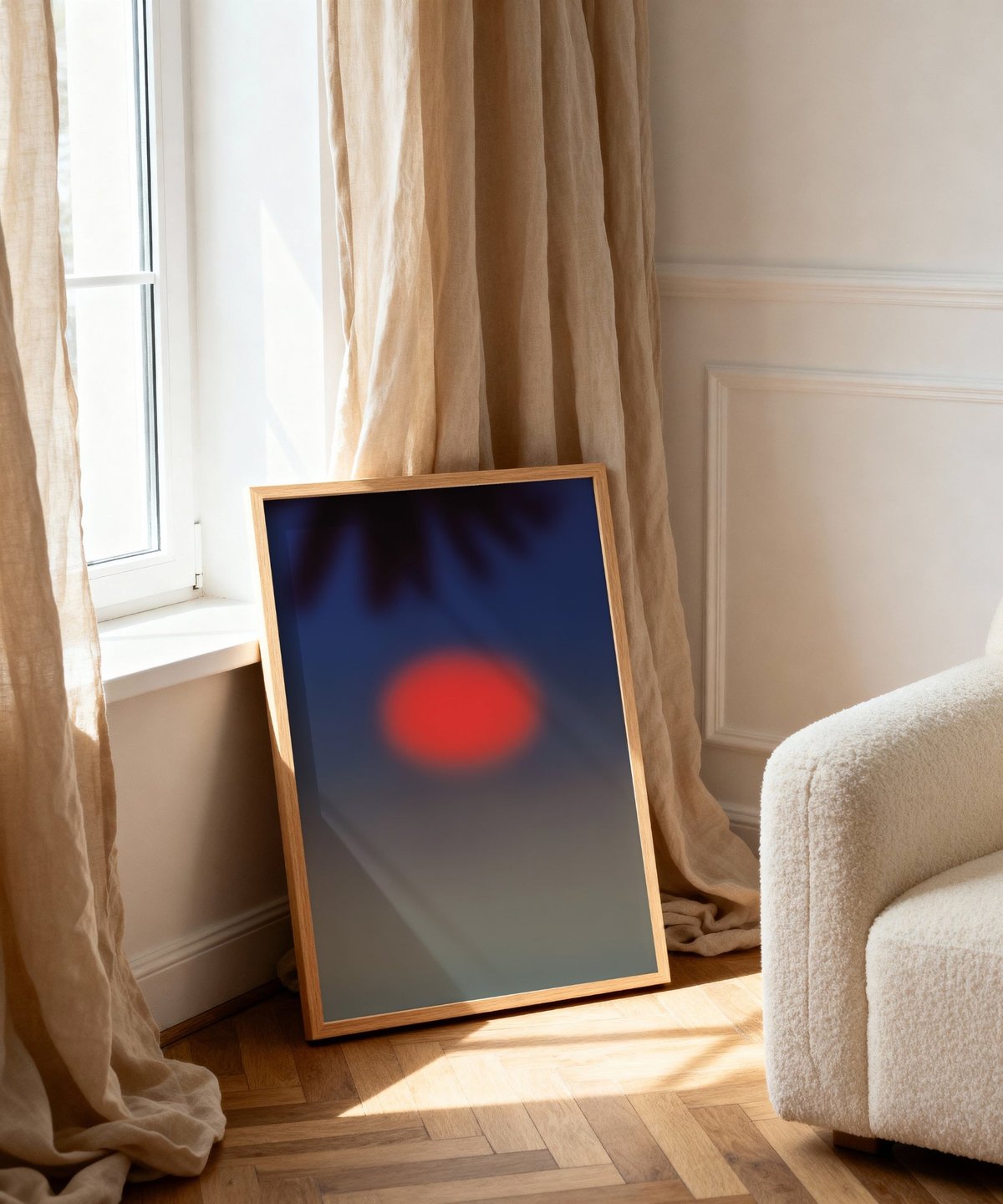
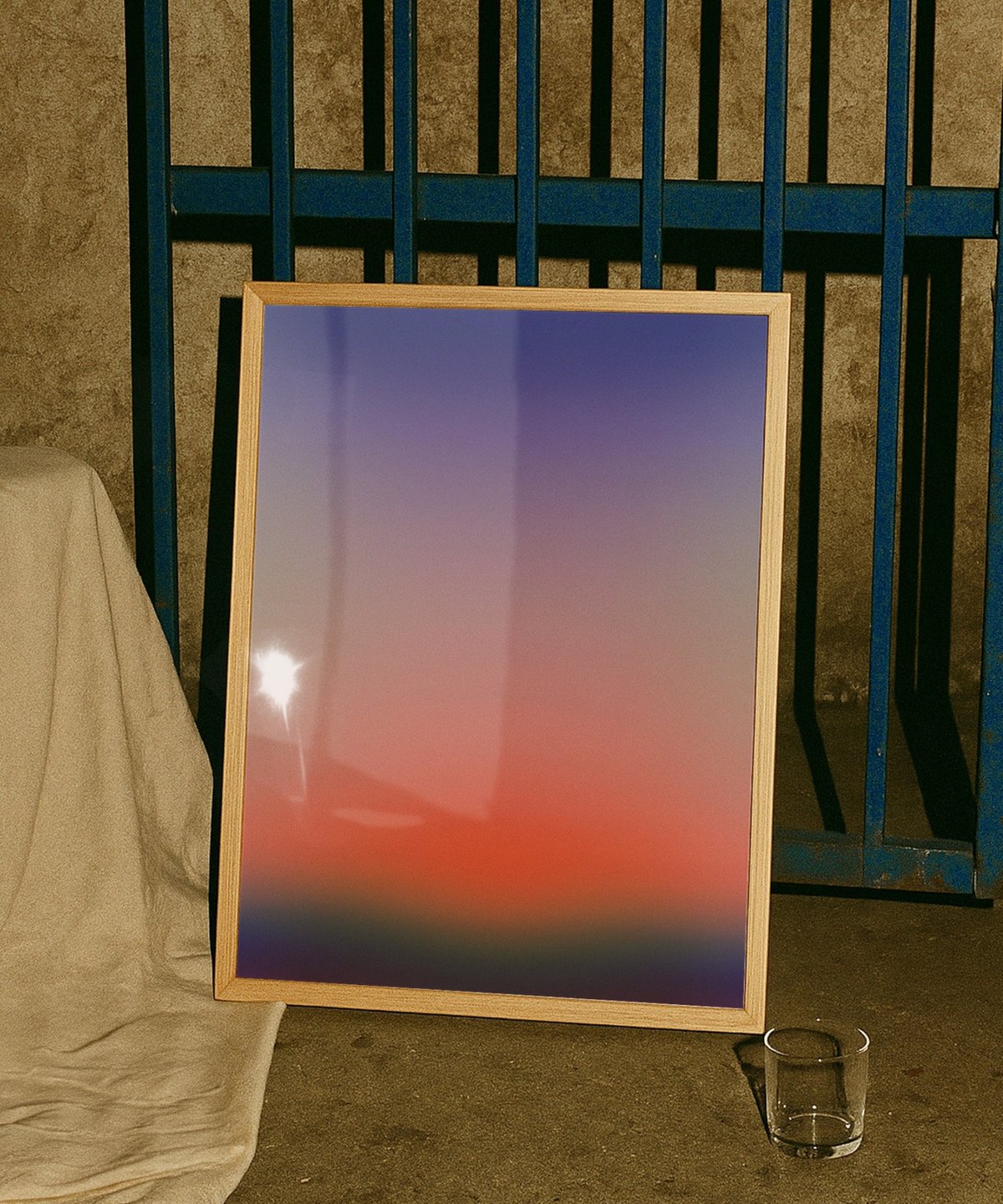
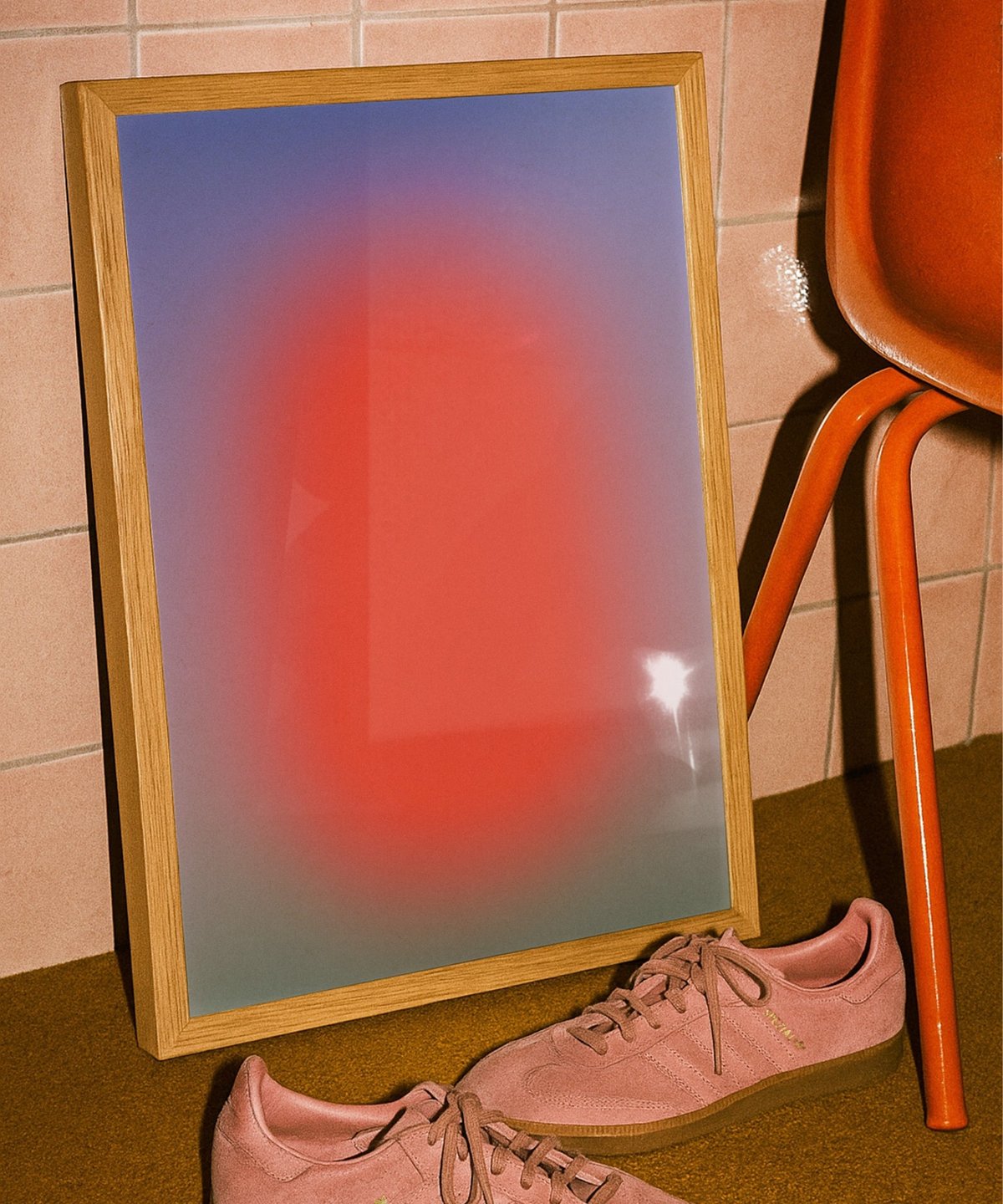
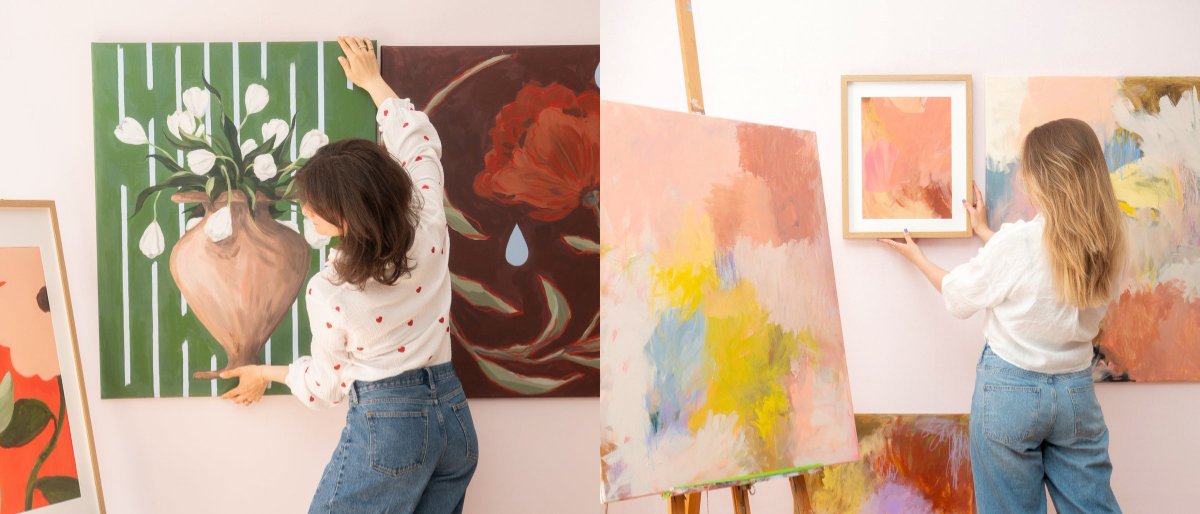
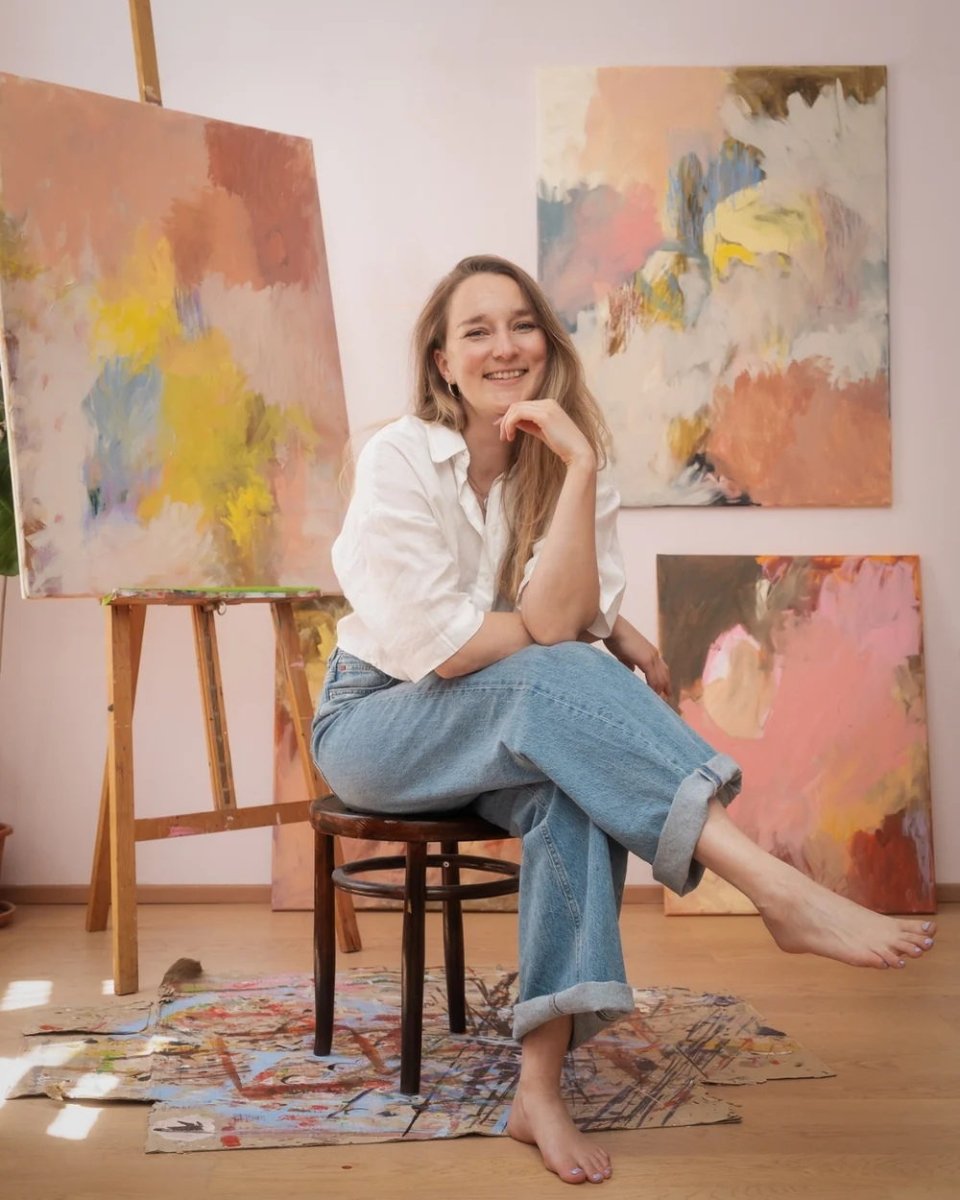
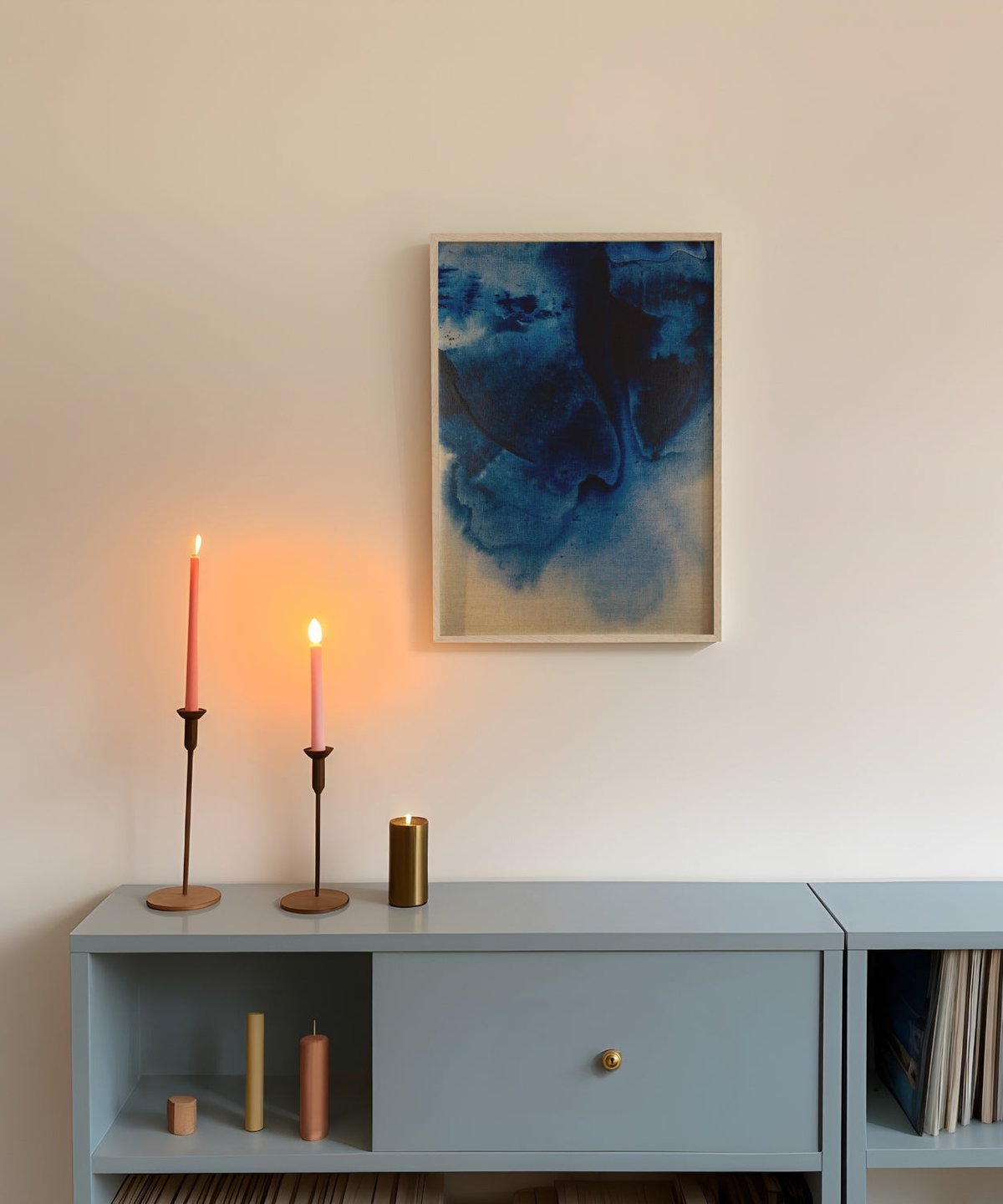
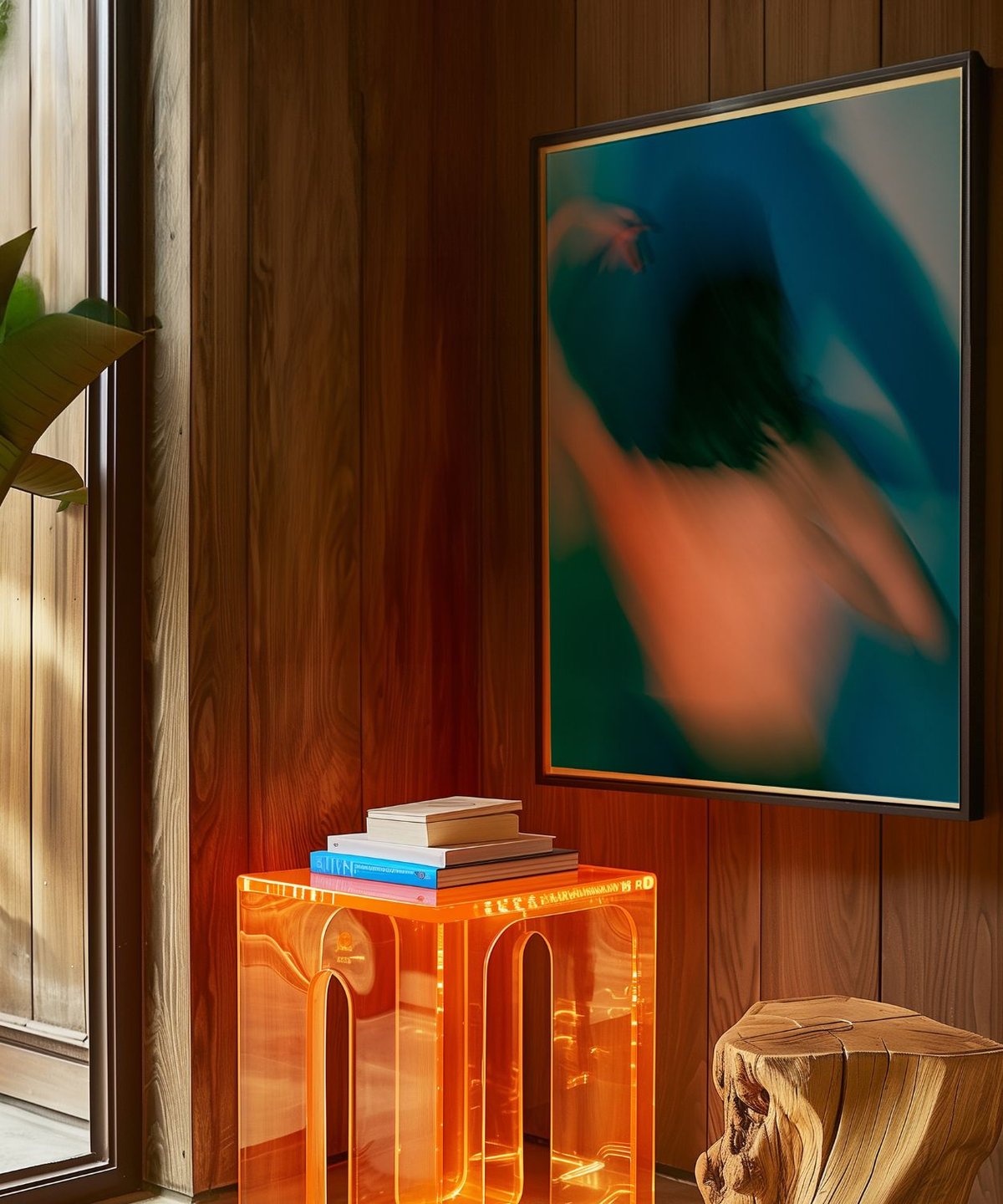
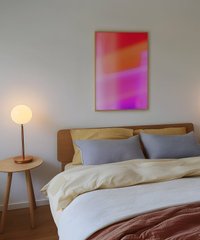
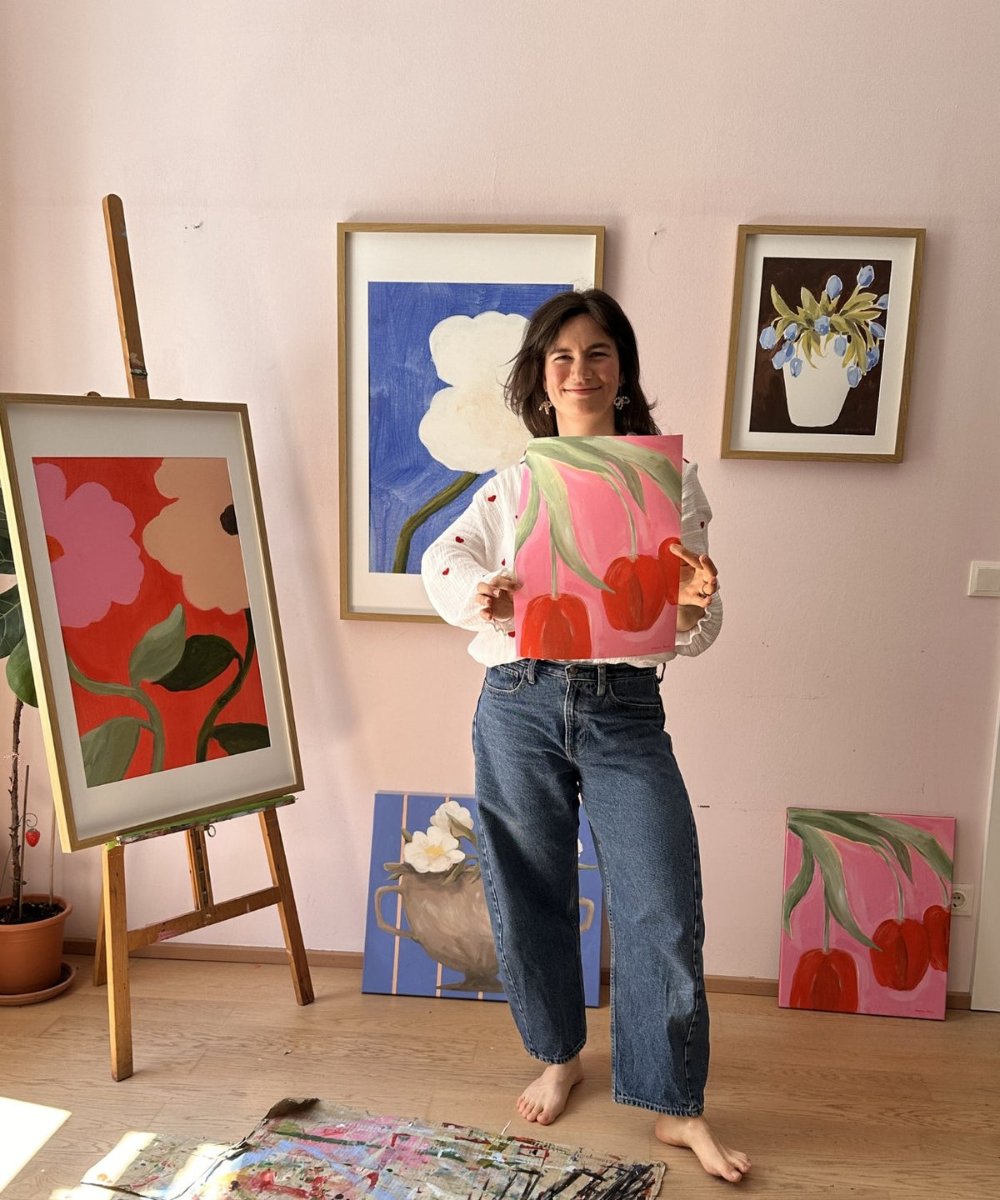
Greta built faaya collective in Graz around a curated group of emerging artists from Austria and Germany. Each artist is introduced through a portrait and a text in their own words. The collection spans screen prints, photography, oil pastels and collage.
The idea began in 2021, when Greta entered a startup accelerator with three friends, three years before the first print left Graz. Back then, the project was called fairbildlicht. Today, faaya collective brings together 121 fine art prints by twenty-five artists, all produced on demand and sold under a model that puts fair compensation at its centre. The original name already hinted at that ambition.
Twenty-five names, nine places
From Vienna and Graz to Leipzig, Berlin and the Kamptal, Faaya brings together twenty-five emerging artists from across Austria and Germany. Some are represented by a single edition, others by an entire series. Together, they span painting, photography, illustration, graphic design and mixed media, each with a distinct visual language of its own.
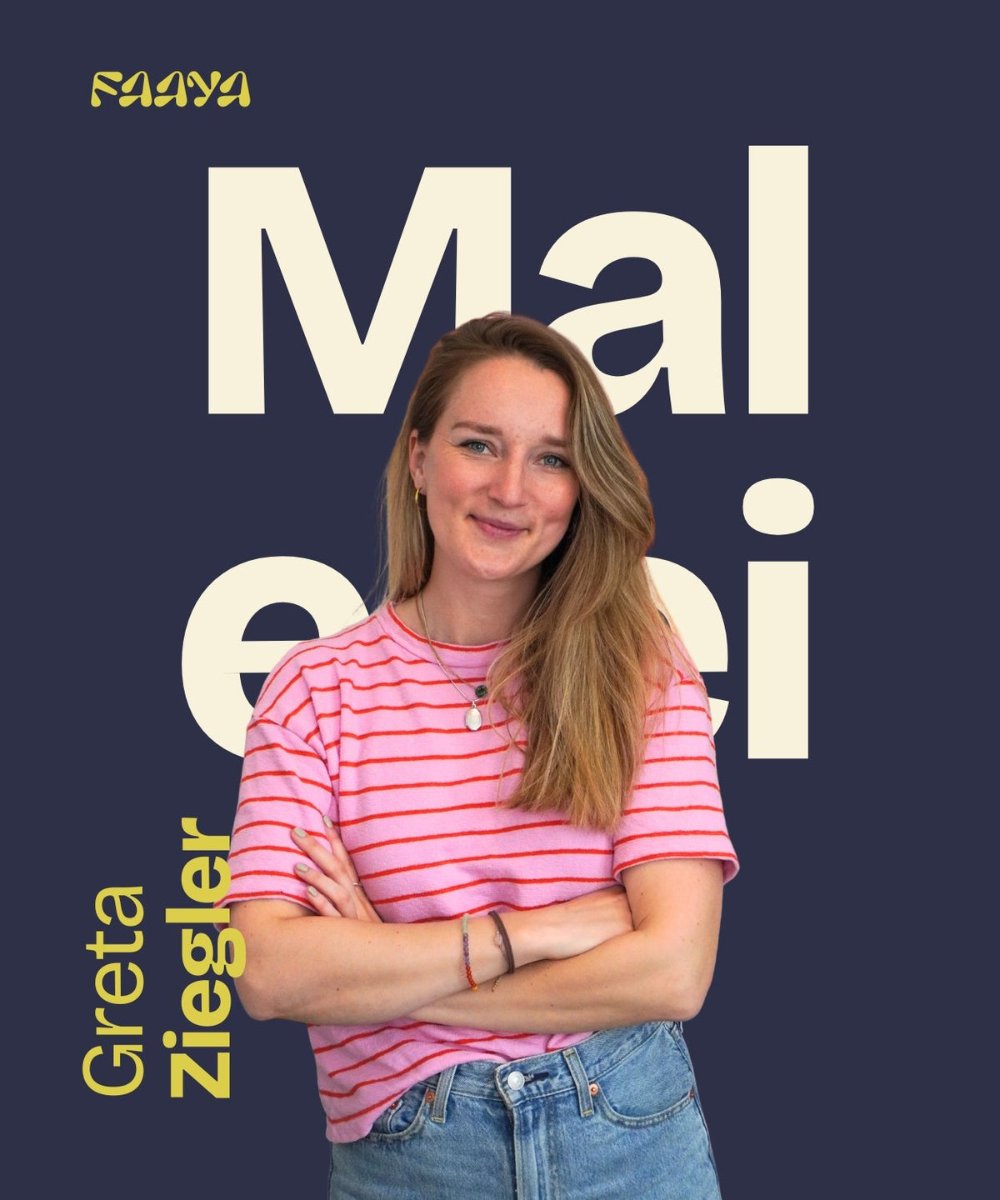
Greta has the same two cards as everyone else in the catalogue, her portrait beside the single word Malerei, painting. Thirteen of the prints are hers, more than any other artist has. It changes nothing about the card.
Before anything reaches the press
Every print begins somewhere else. For Johanna Blaha, it starts with screen printing; for Luna Maluna Gri, with oil pastel. Photography shapes the work of Iris Frank, Antonia Wechner, Hanna Schild and Brisilda Bufi, while Alina Herzau works with analogue collage. Together, series such as comfort zone, weiter-leuchten, No Chair and busy body reflect the breadth of the collection.
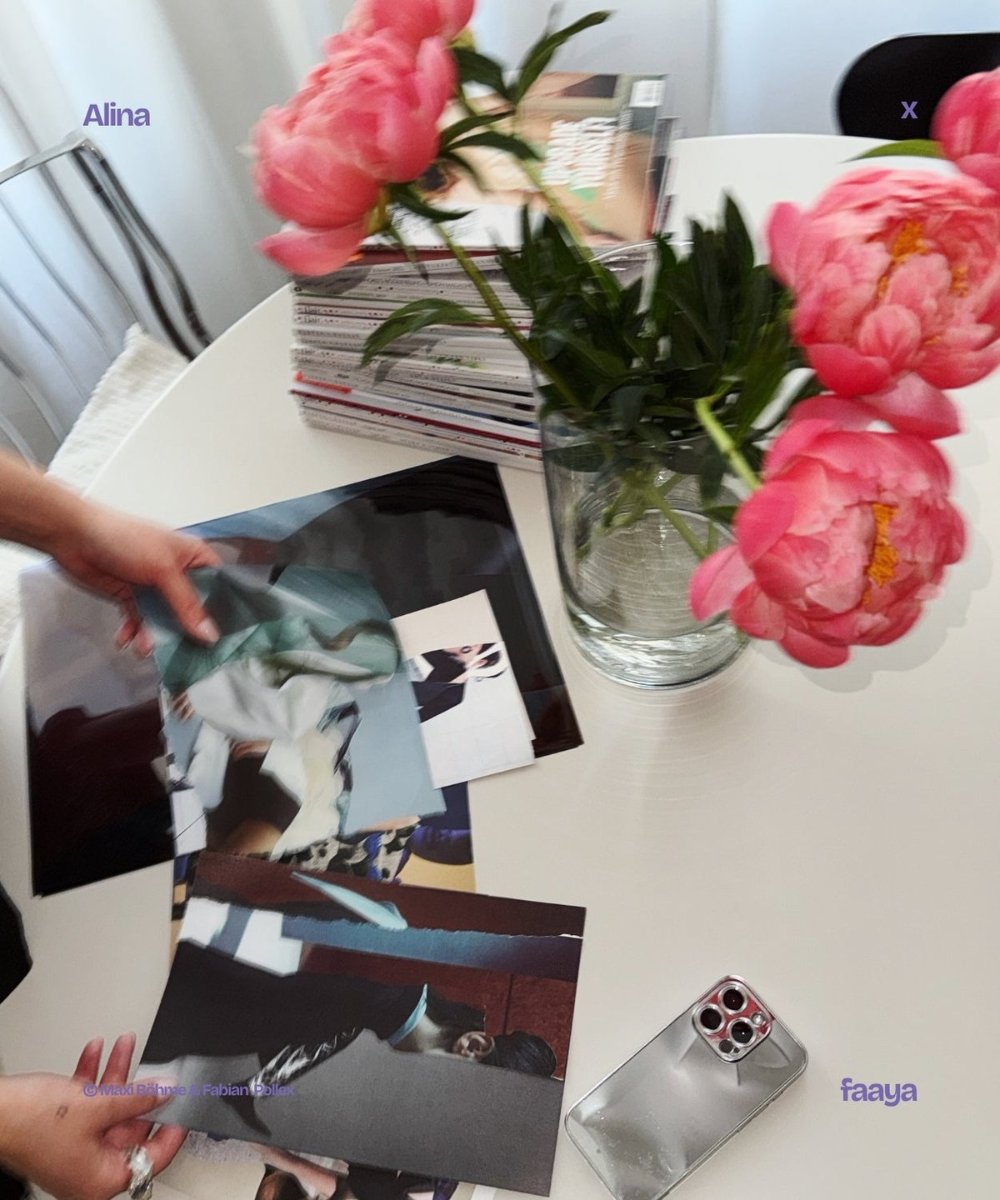
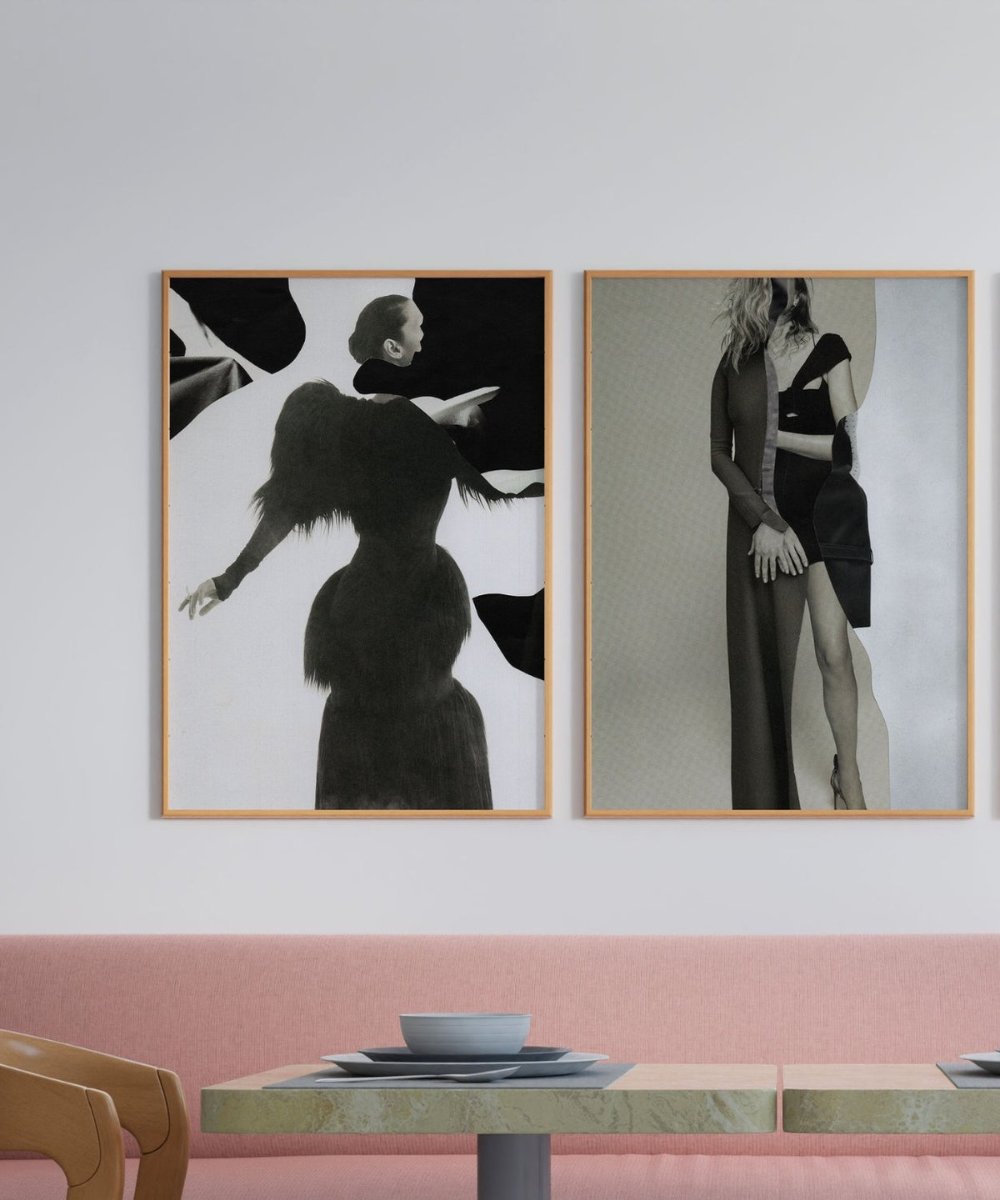
One of Herzau's collages is on a white table, still in loose pieces. The arranging is done by hand. Her card statement is about interaction, the ways people communicate and the processes that shape an identity. The cutting comes first.
The work Graz absorbs
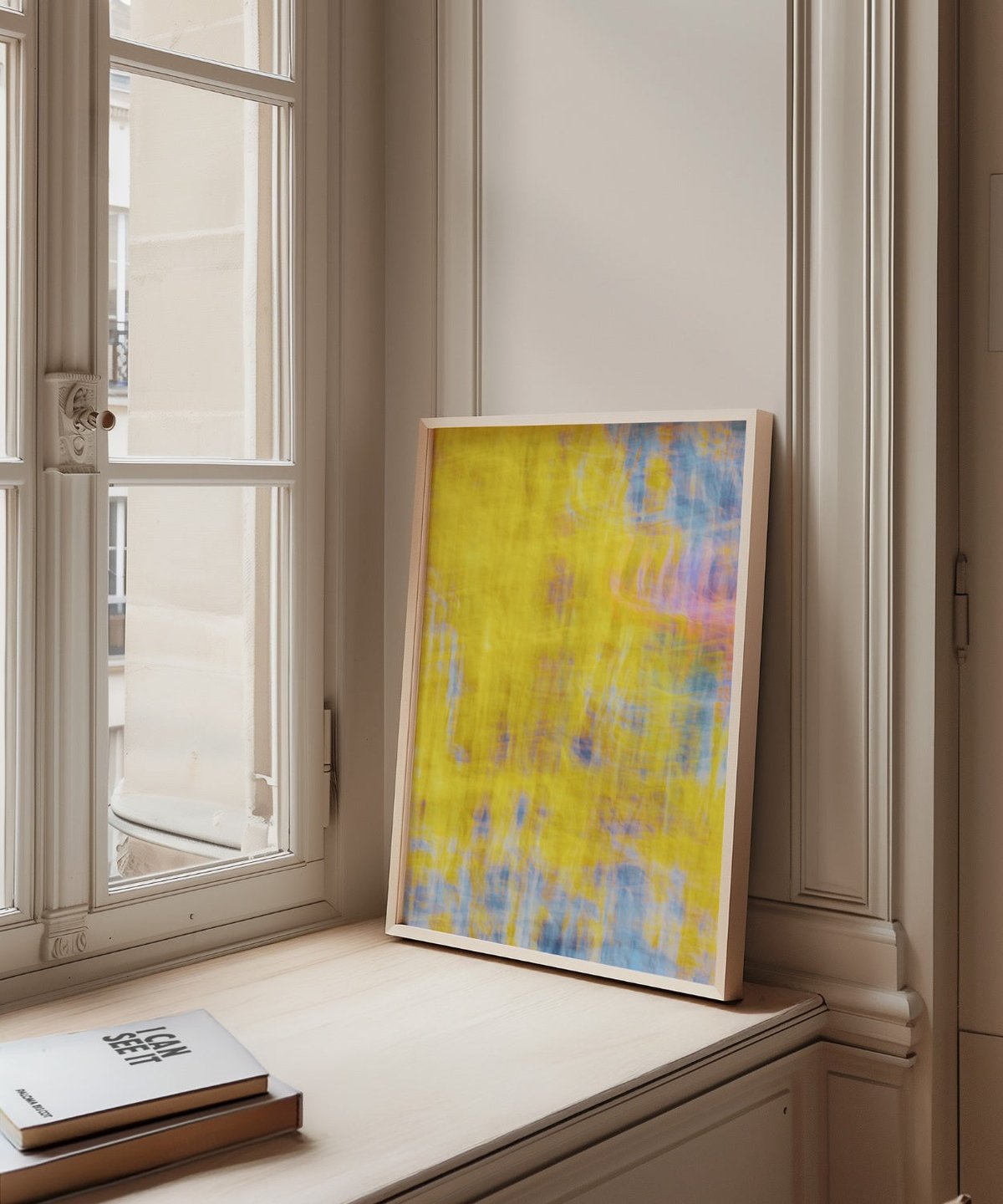
Everything behind faaya happens in Graz, from marketing and social media to production, shipping and customer orders. Every print is made only once it has been ordered, with the artist receiving a fair share of every sale. Most editions are printed by hand on 200 g Hahnemühle fine art paper using a twelve-colour process, then cut by hand and available in formats ranging from 21 × 30 to 100 × 100 centimetres. Some editions are limited, others remain open. One exception is Muse No. 1, which is printed on 210 g Canson paper.
Die Zukunft von faaya ist langsamer, kuratierter und hochwertiger.
The catalogue holds 121 prints, not one of them printed in advance.