Charkha & Loom Interior · Amsterdam, Netherlands
A childhood near the looms of Banaras
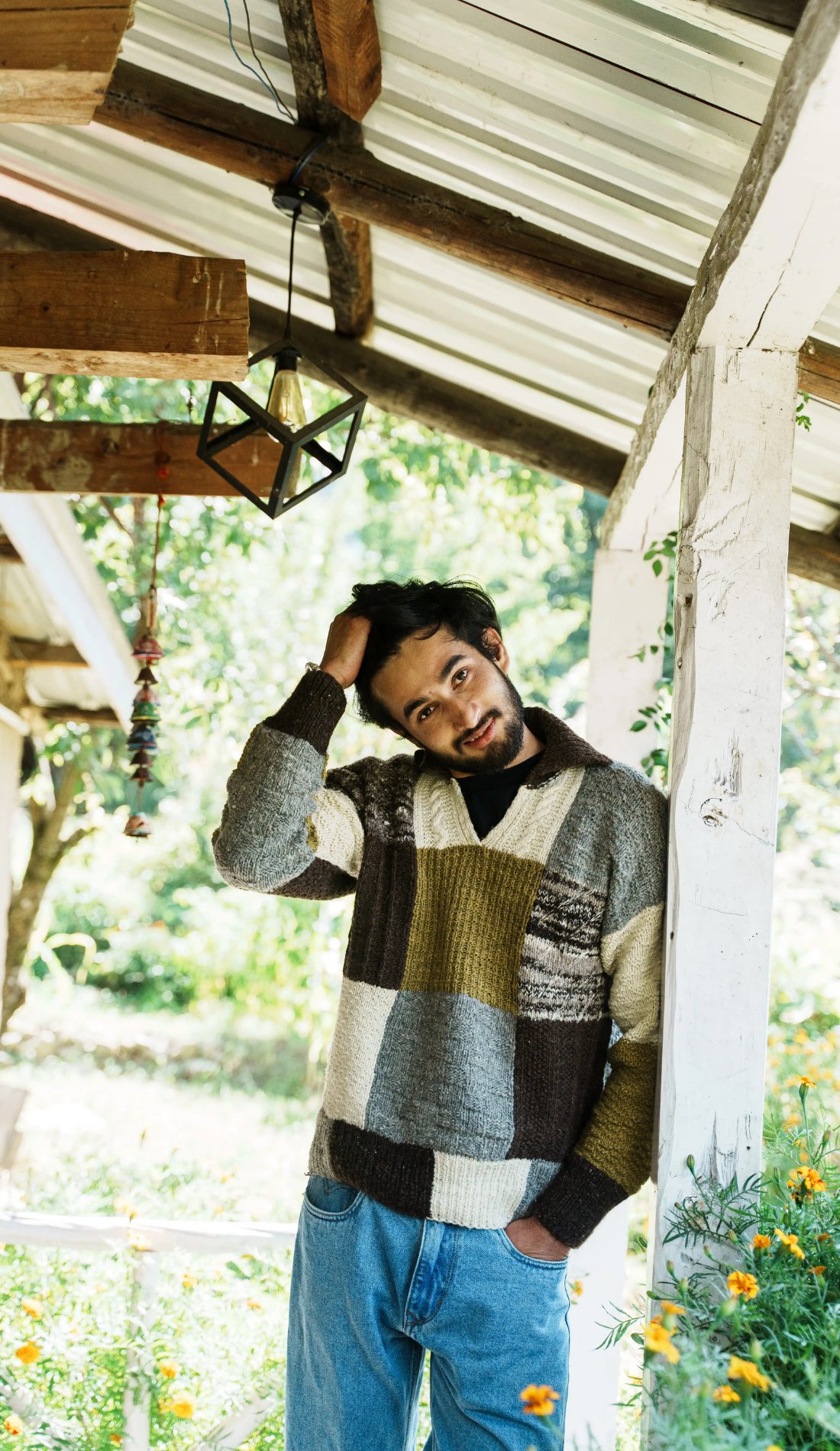
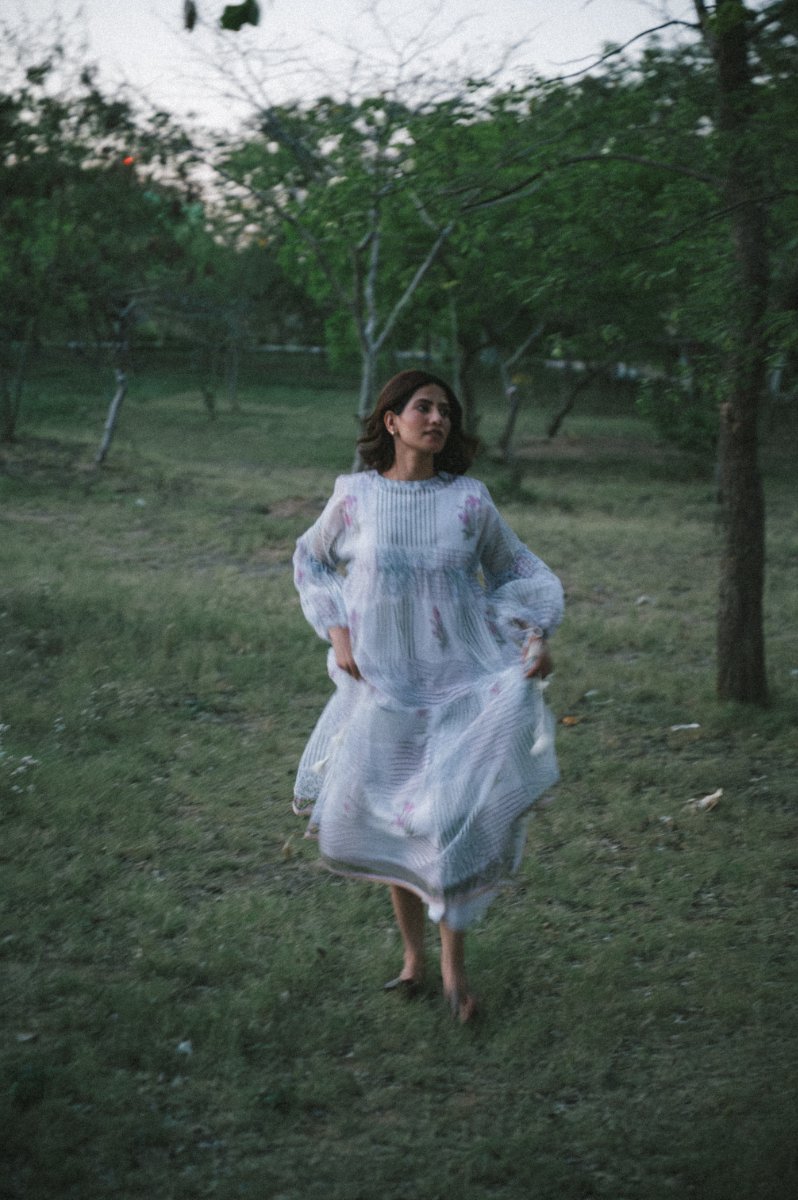
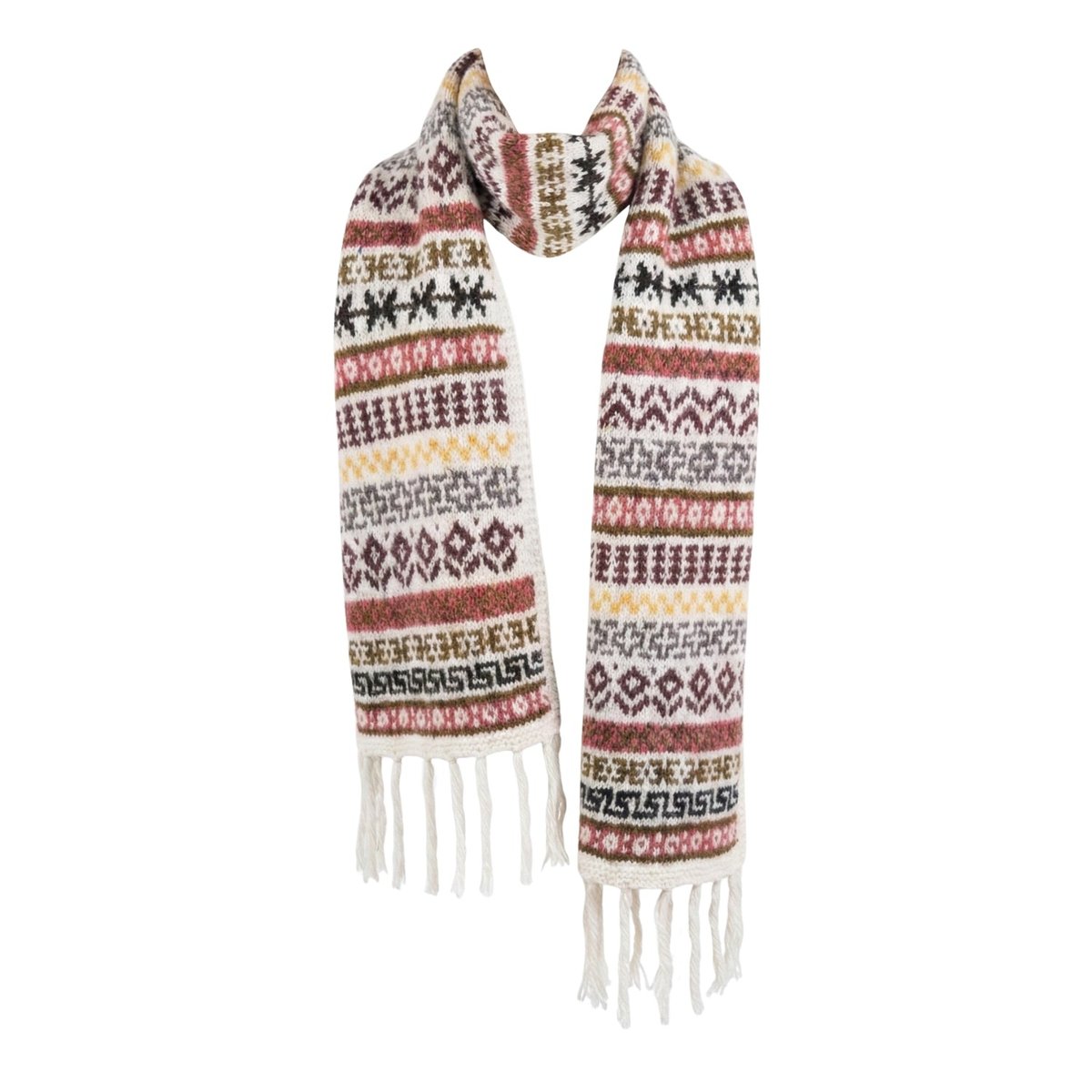
Charkha & Loom makes knitwear from hand-spun Himalayan wool, cotton and silk that is hand block-printed or woven on handlooms. Sweta Pandey designs the label in Amsterdam and has every piece made by hand in India.
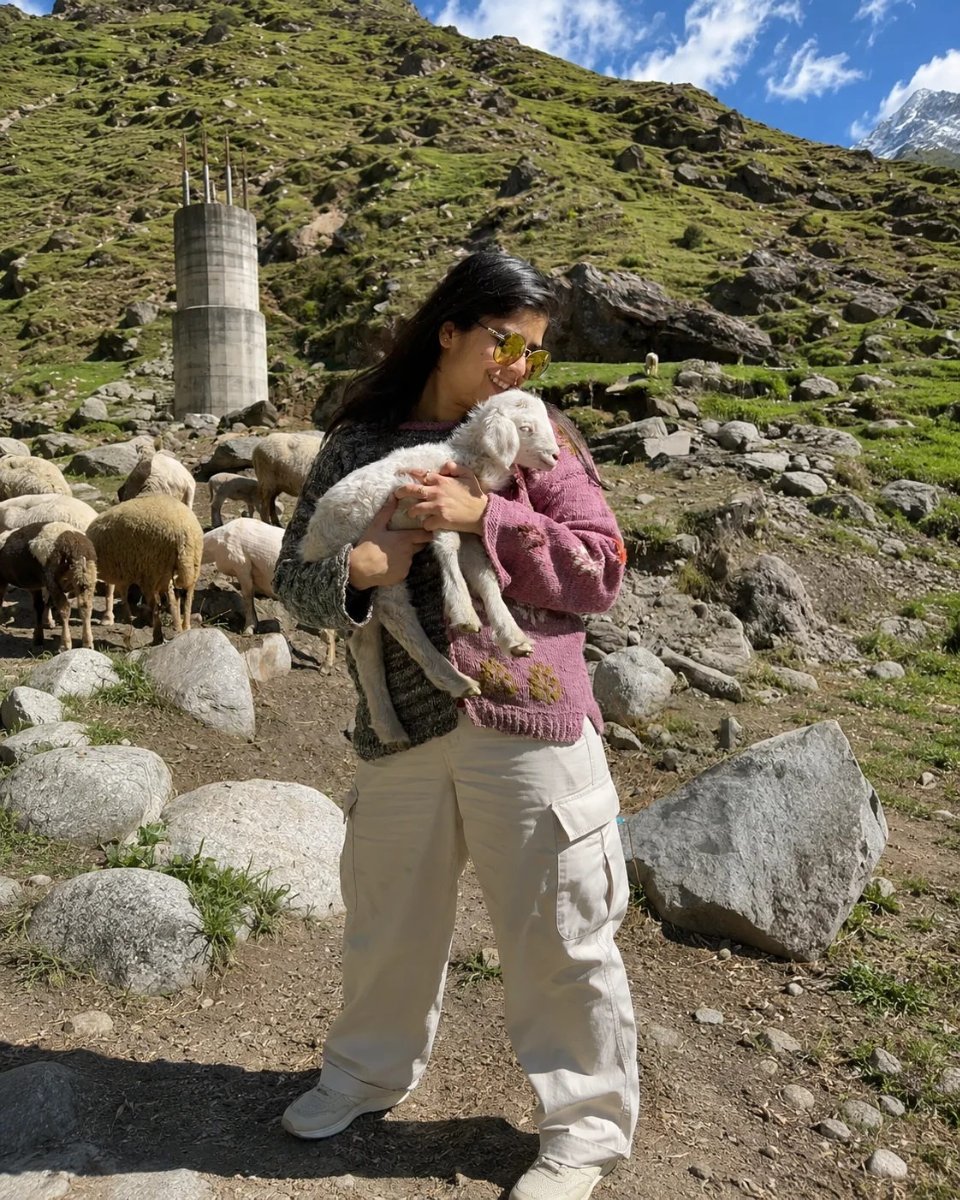
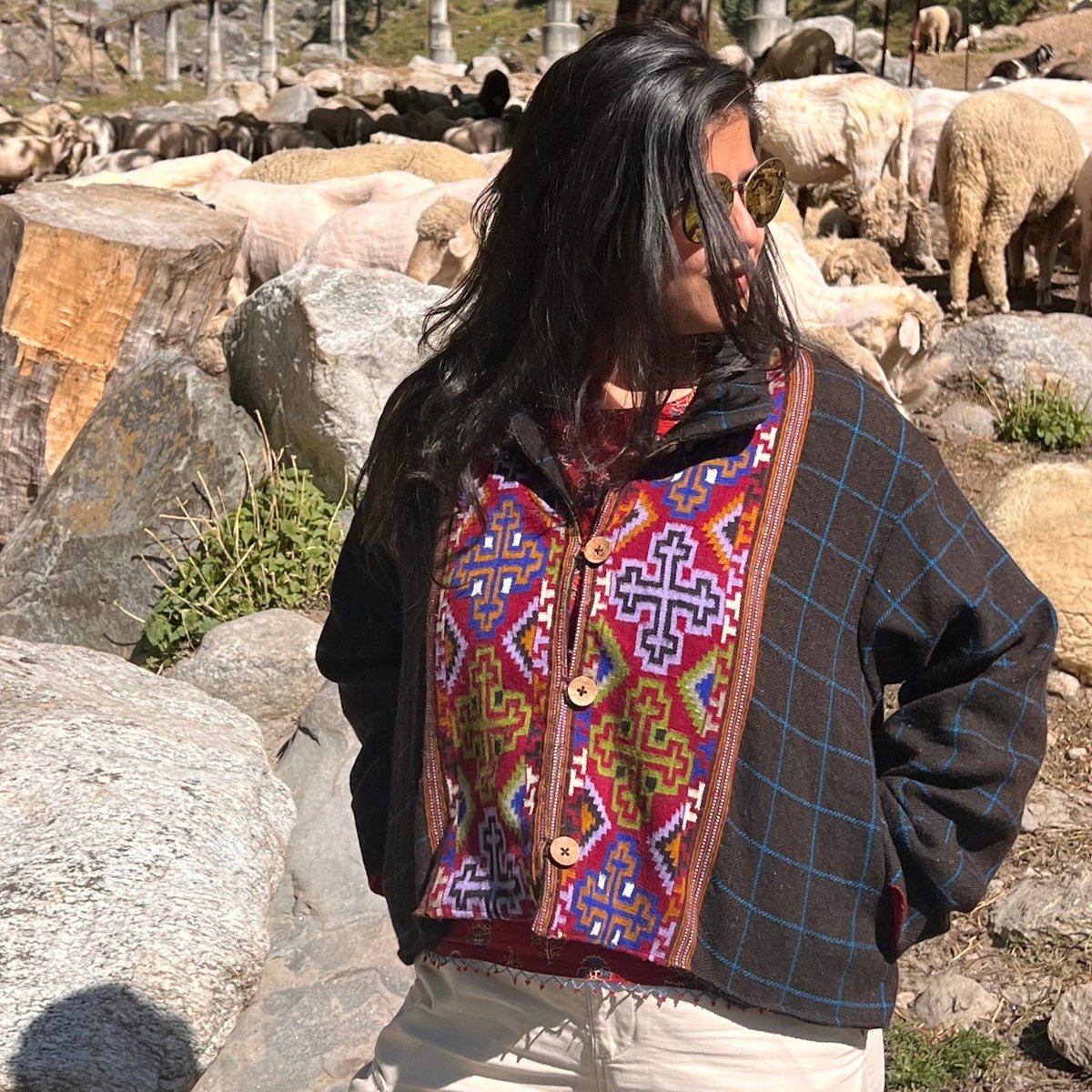
The label's name starts with the charkha, the spinning wheel Gandhi made famous, the moment fibre becomes yarn. Banaras, near where she grew up, is one of India's oldest centres of handloom weaving. She screens the producing projects herself and follows the whole supply chain. What she says she enjoys most is sitting with the artisans, hearing how their own beliefs carried the craft down the generations. She stayed with the herding communities and walked out with the shepherds while the flocks grazed.
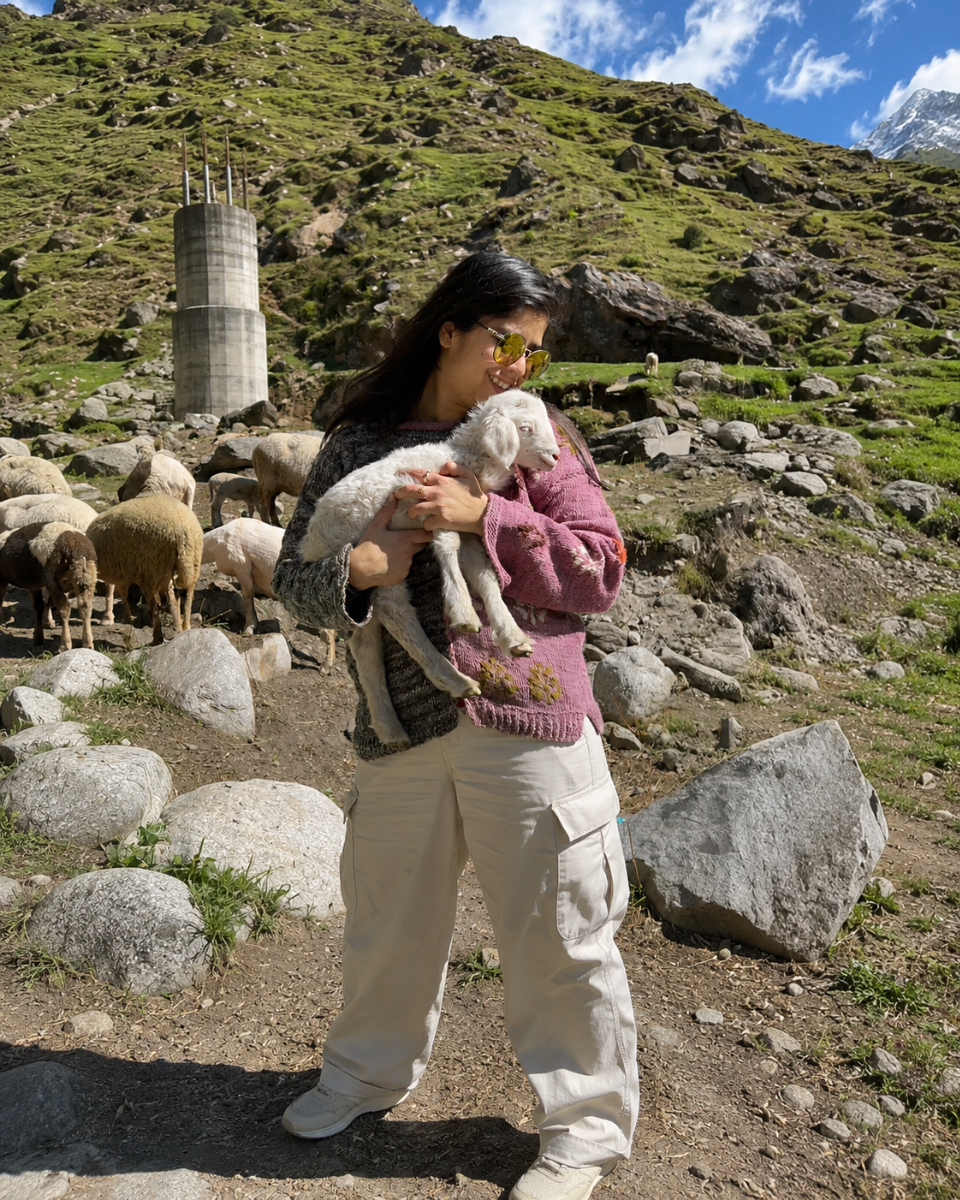
Wool spun in the Kullu Valley
The knitwear begins with 100% Himalayan sheep's wool. It runs through KULLVI WHIMS, a self-help collective founded in 2012 that works with Himachali artisans and Gaddi pastoralist communities, whose flocks graze freely rather than on conventional farms. The wool is mulesing-free, and where a piece comes out black or grey the fleece was never dyed. The spinning is done by hand, by women artisans in the Kullu Valley.
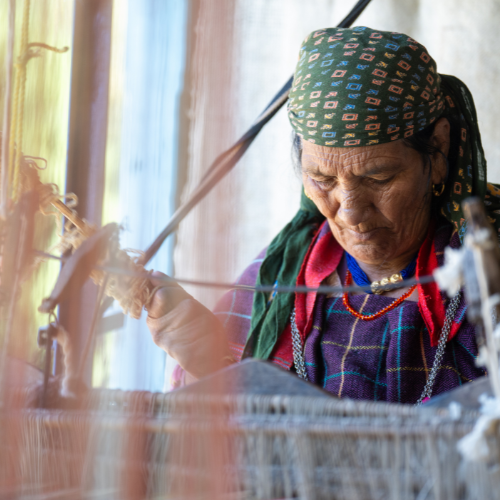
The printers of Bagru and Sanganer
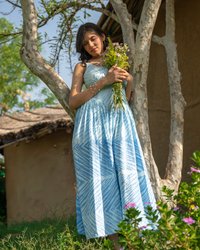
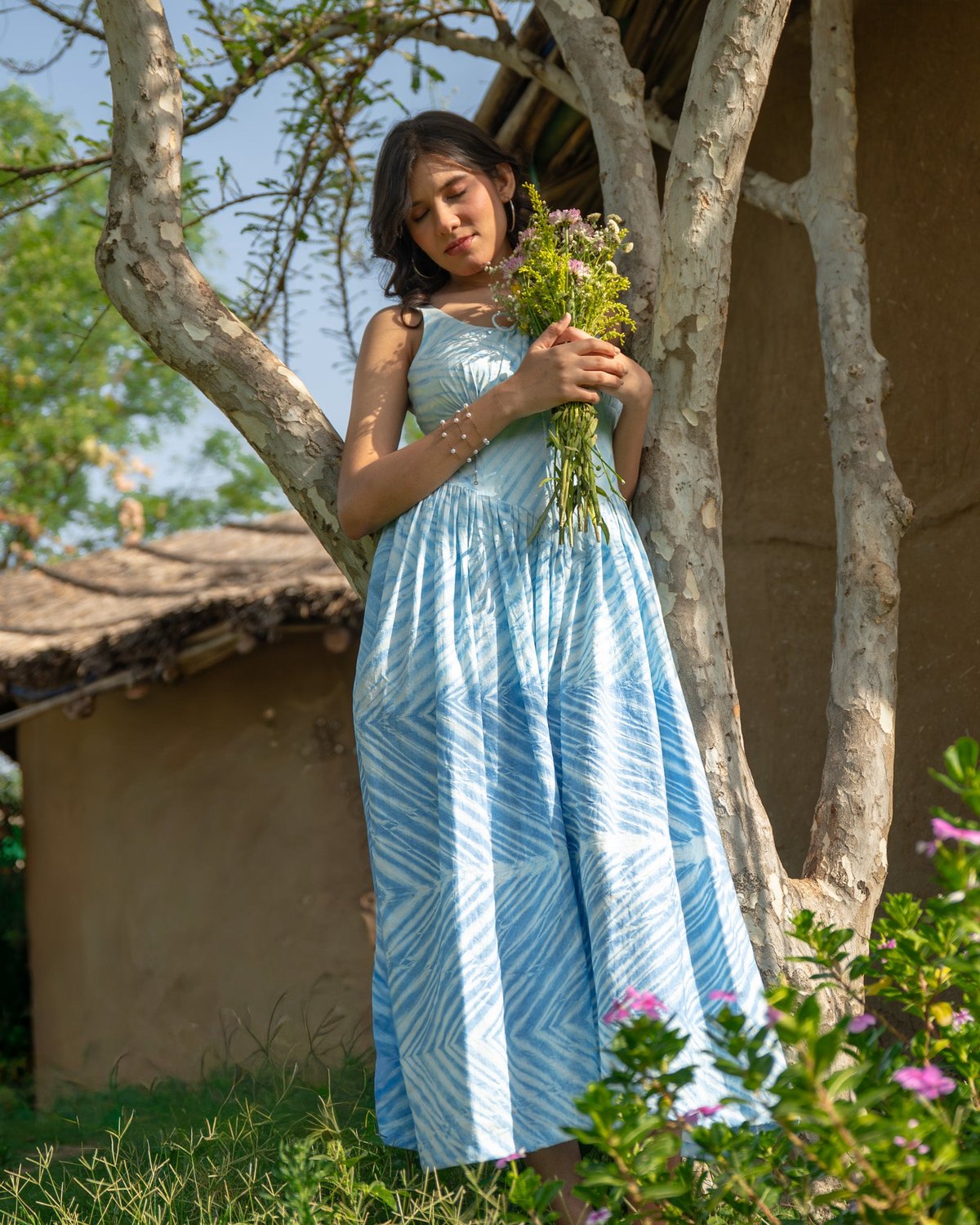
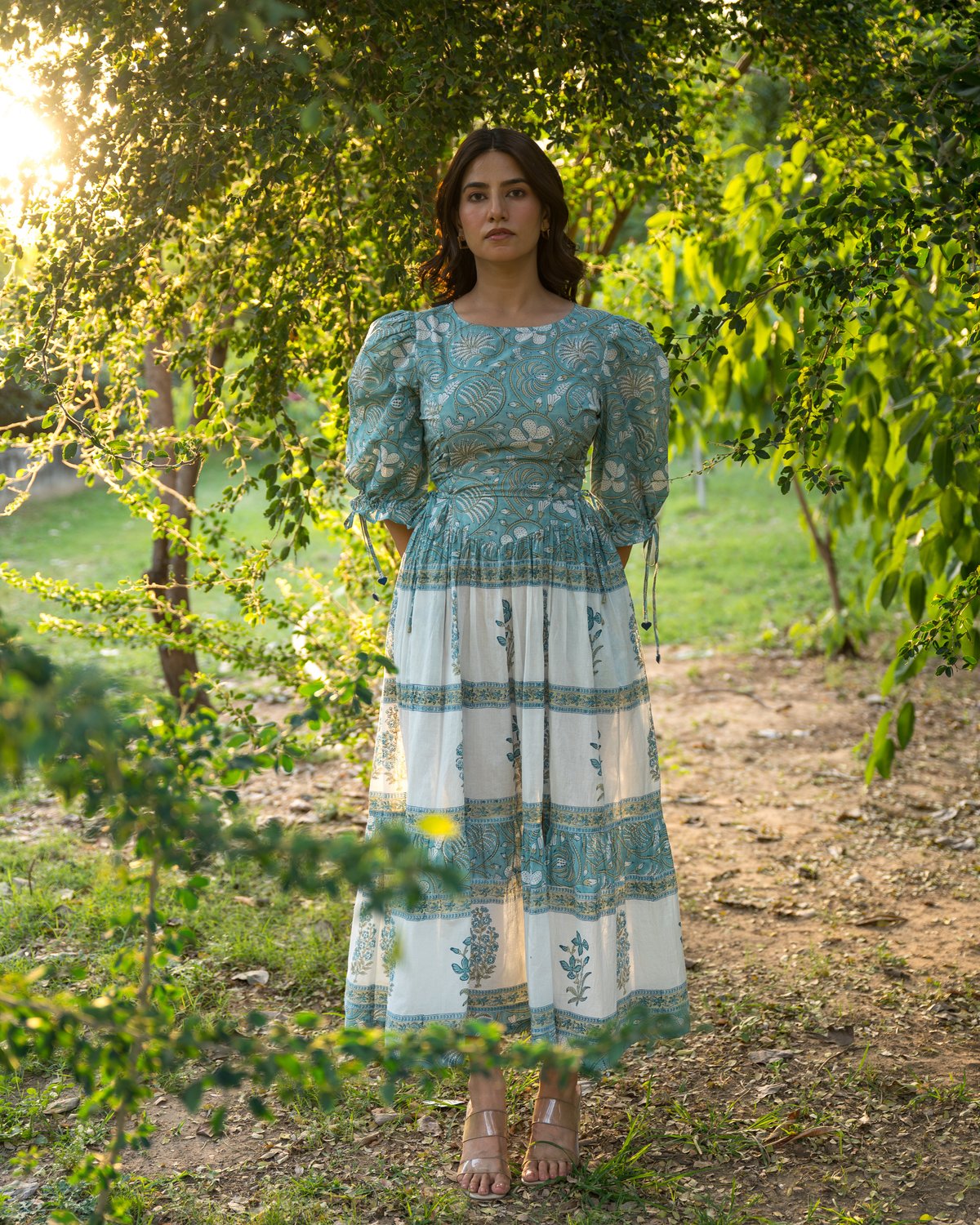
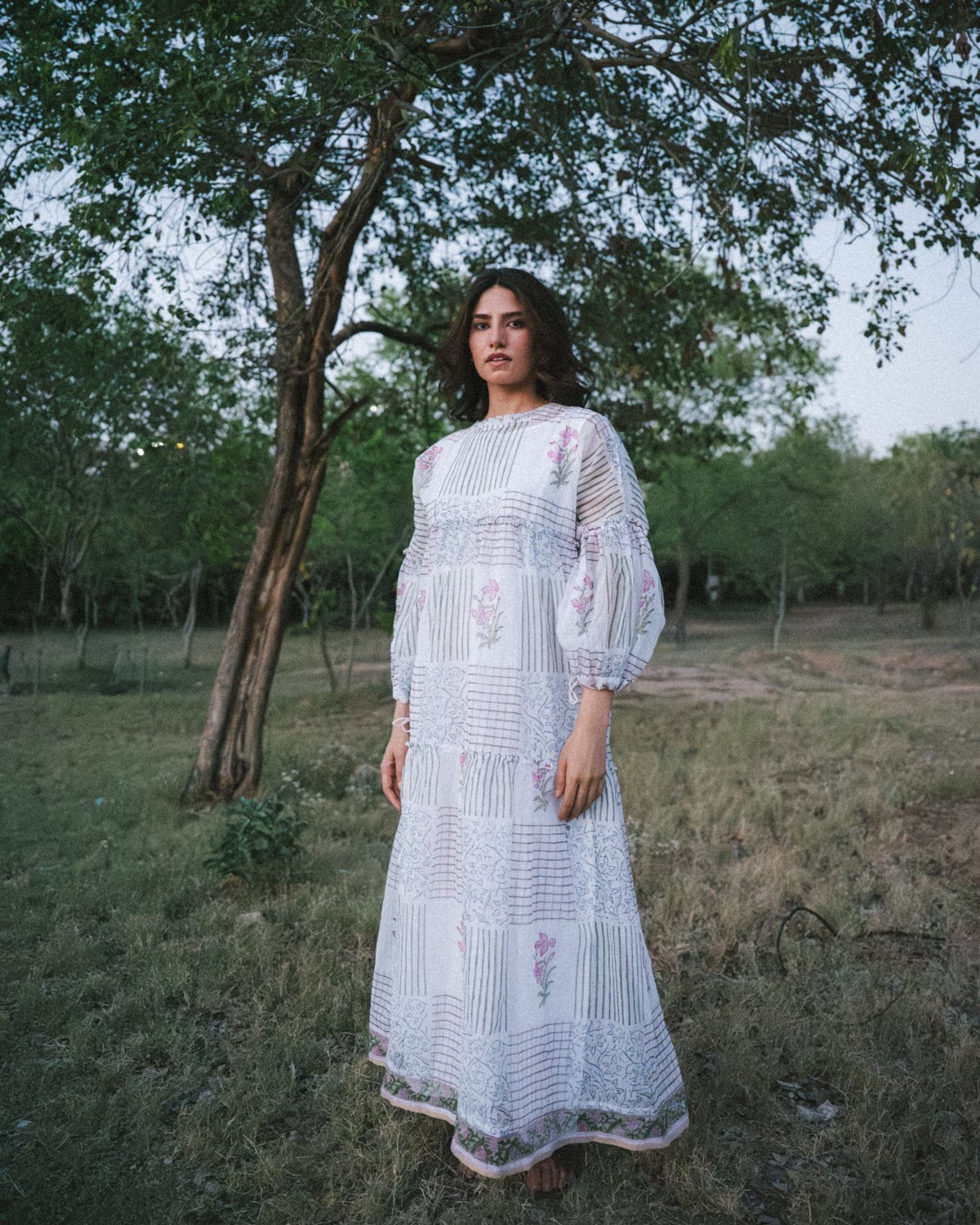
Bagru and Sanganer sit near Jaipur, and both are block-printing towns. Colour comes from plants: marigold, madder root, wild Himalayan indigo. The SS26 collection was printed by artisans in those two towns, working with carved wooden blocks, one block laid down at a time along the length of the cloth.
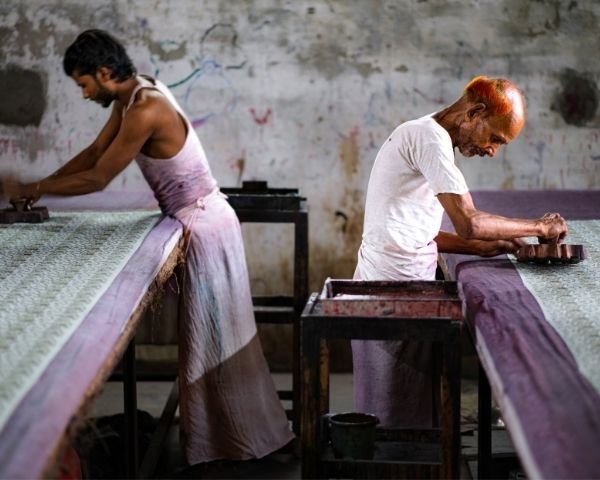
Where the cloth comes from
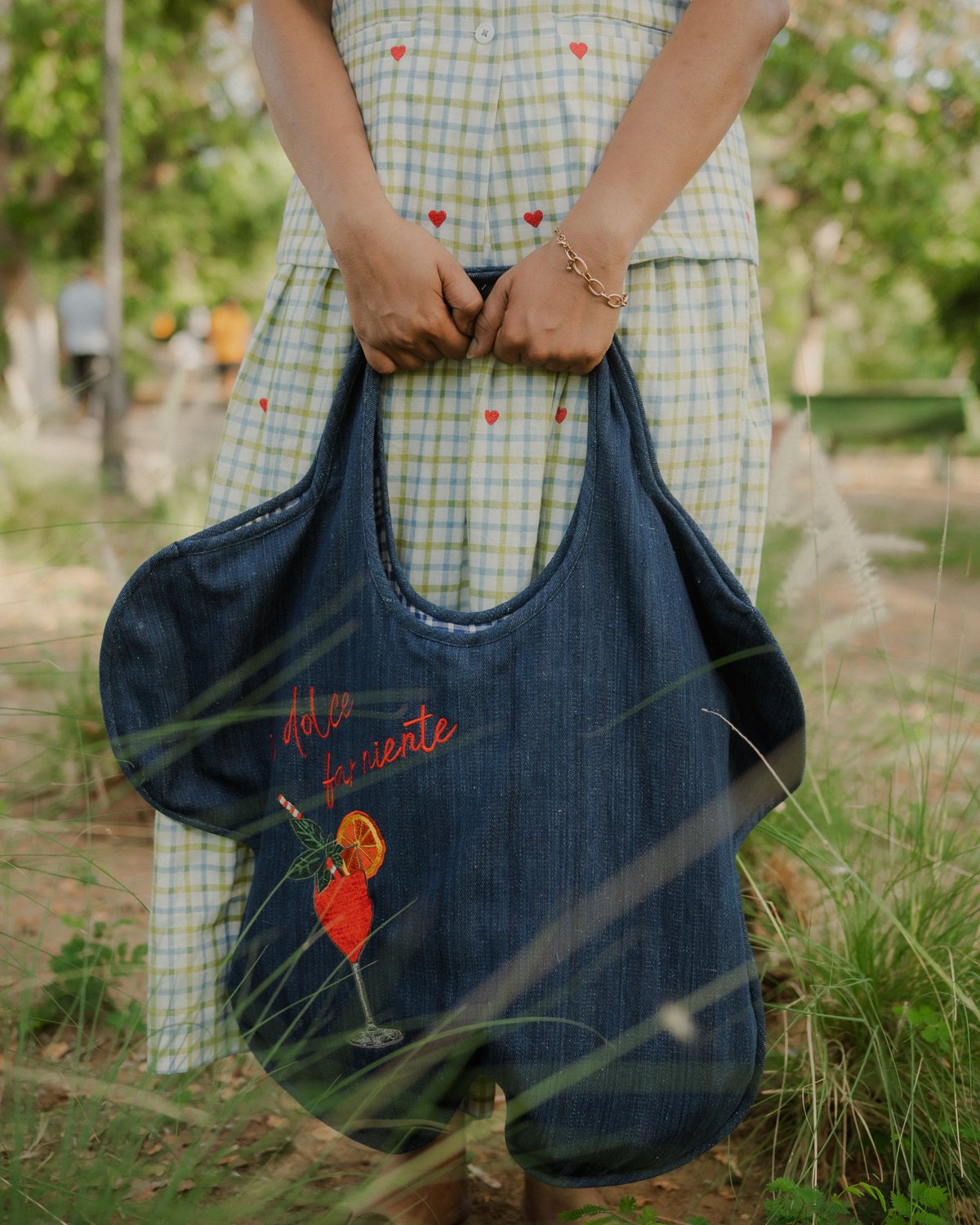
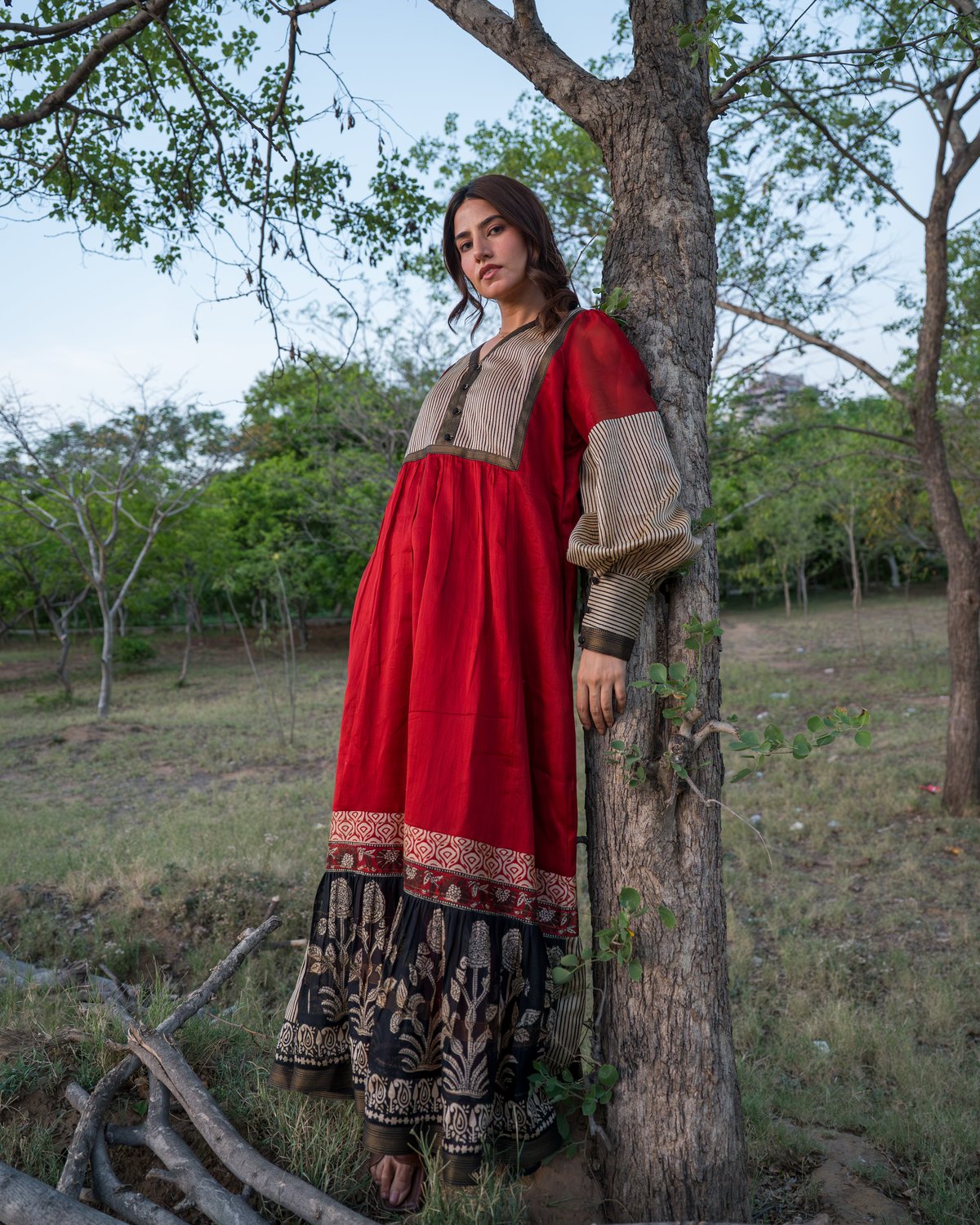
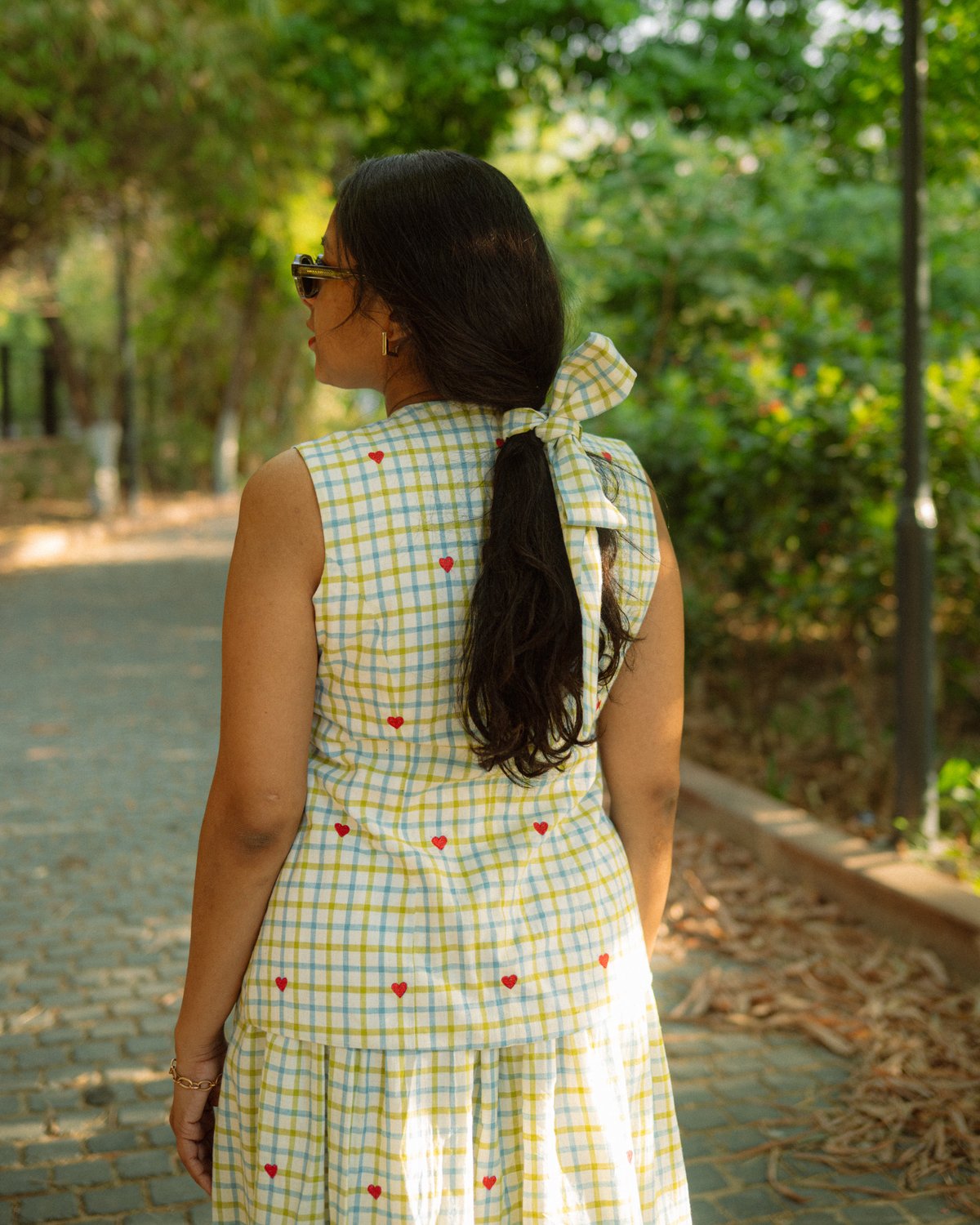
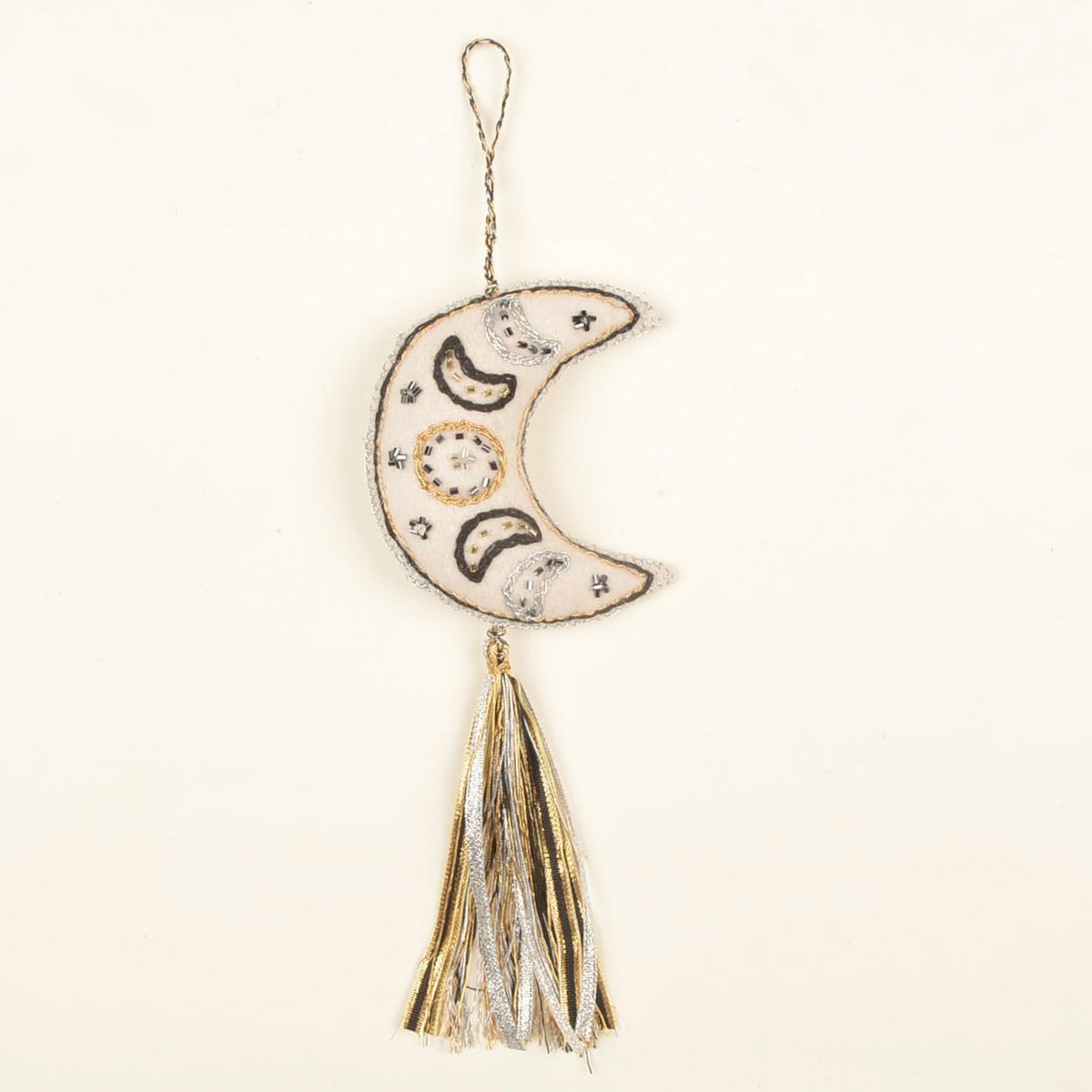
The cloth is not from one place. While keeping the design work to herself on purpose, so as not to be influenced, Sweta has built a network of Indian artisans that collaborate to finish her products. Product pages name Chanderi silk, Kota Doria, upcycled Maheshwari silk, ikkat, handloom denim, an eri silk and wool blend, and block-printed cotton. The bag charms come from SILAIWALI in New Delhi, a social enterprise where Afghan women refugees turn waste fabric off-cuts into decorative objects and an official partner of MADE51; the charms carry a credit to Hazara artisans. Some of the handweaving is done in Bengal and Telangana.
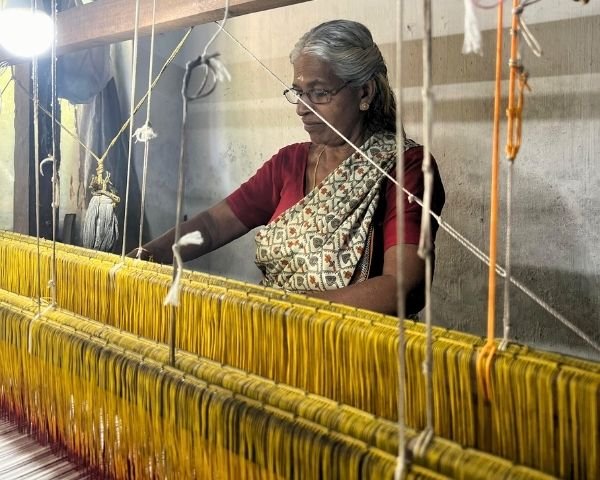
The patterns stay as they are; only the silhouettes are adapted for a global audience.