



HeritageModa Clothing · Ratingen, Germany
Learning what real pashmina is
The material Deepali Nainwal set out to buy is registered, specified down to the micron and tested at an institute in Srinagar. Before she could buy any of it, she had to learn what made it real.
Deepali Nainwal started without a single contact in the trade, in a material that by her own account is heavily counterfeited. Her search ran in three phases. First as a shopper, at artisan pop-up markets in India, before there was a brand at all. Then online, with meetings in person on trips back to India. Then trade fairs, where she was looking for groups steady enough to work with under a contract.
The material, on the record
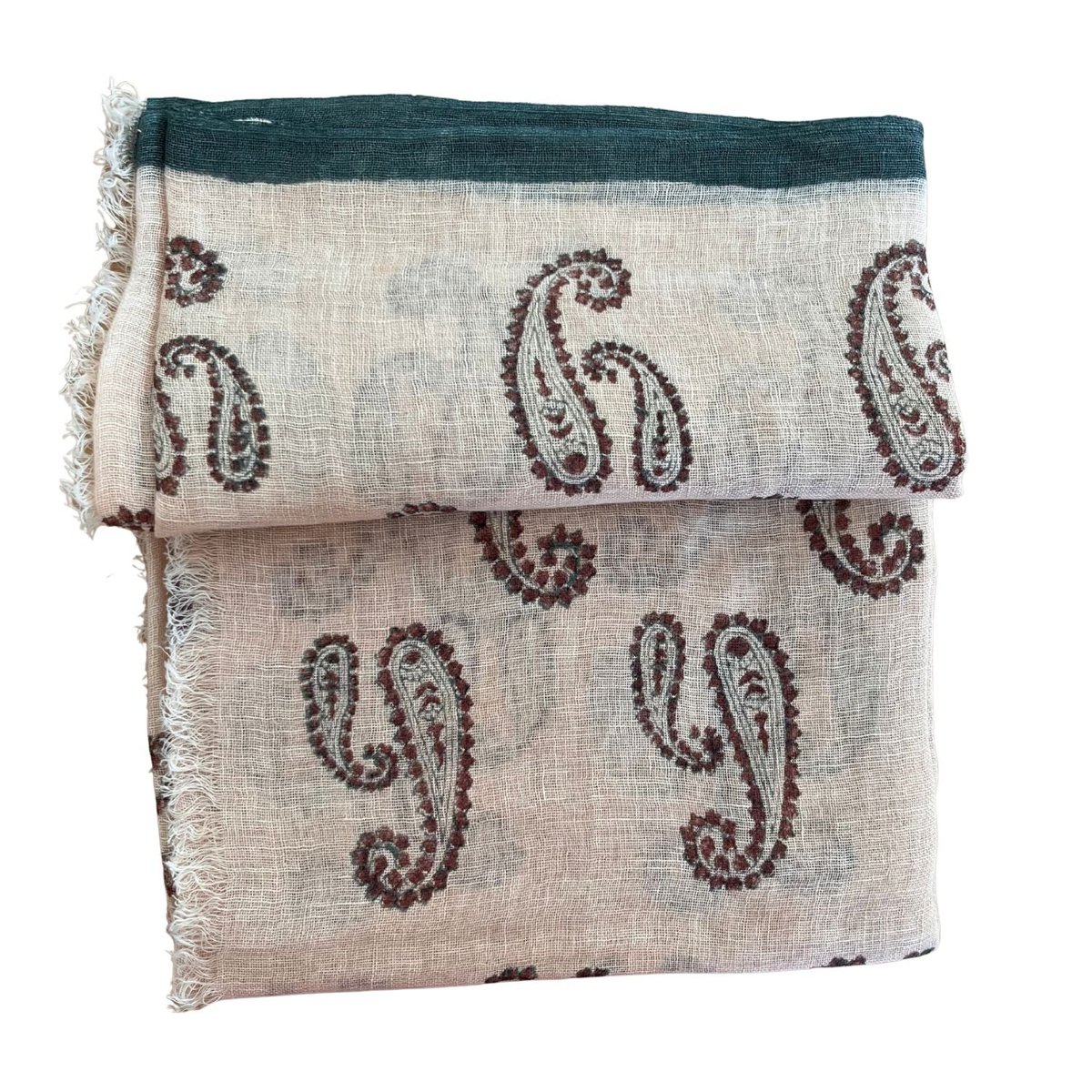
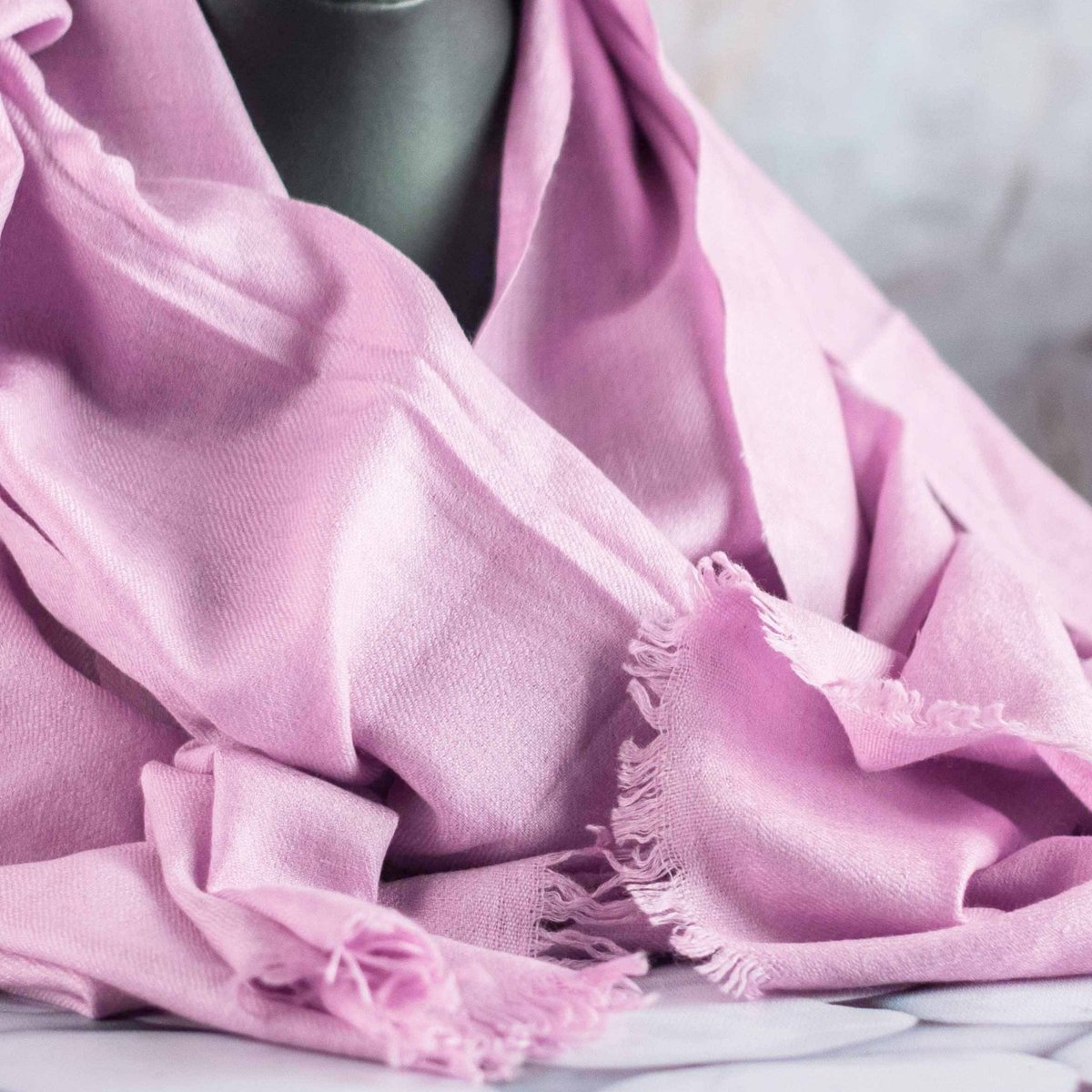
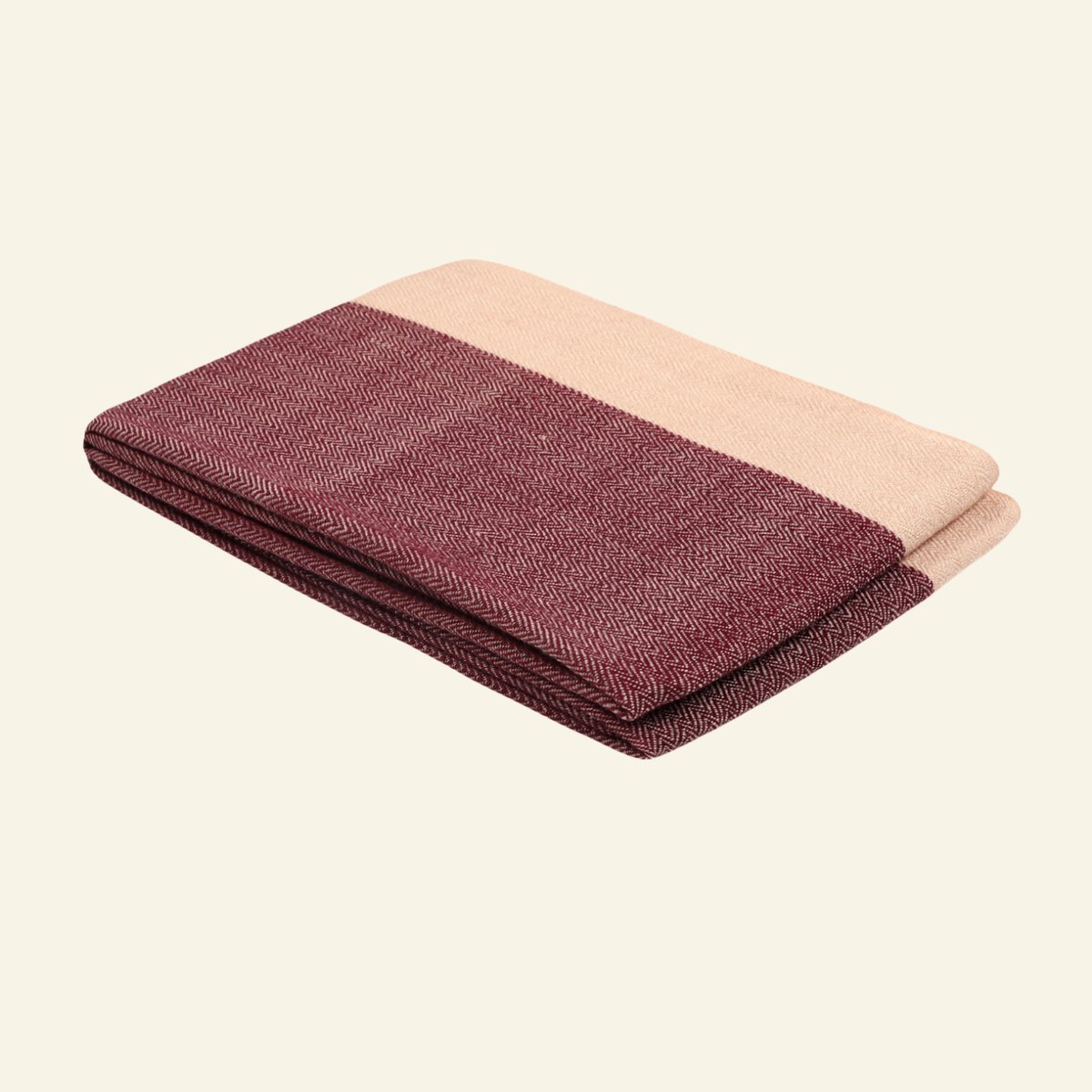
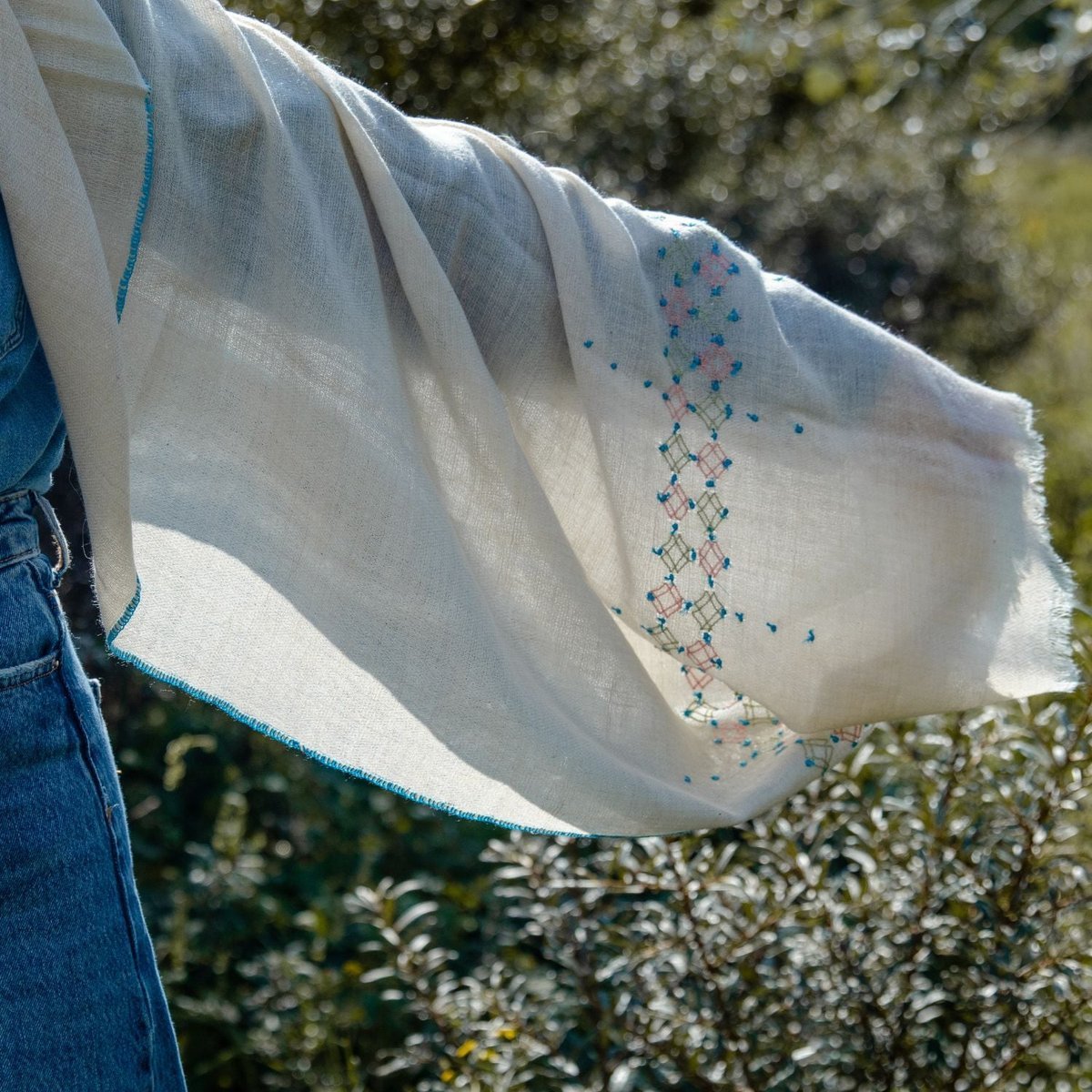
Pashmina is the finest grade of cashmere. It is combed in spring from the winter undercoat of the Changthangi goat on the Changthang plateau in Ladakh, spun into yarn by hand and woven on wooden handlooms in Srinagar. Kashmir Pashmina was registered as a geographical indication in 2008, application number 46, in the handicraft class, with a society in Srinagar as its registered proprietor. That entry asks for pashm fibre up to sixteen microns from the under-fleece, yarn spun by hand and weaving by artisans of Jammu and Kashmir, and testing sits with the Craft Development Institute in Srinagar. In October 2024 the raw fibre from Ladakh received a geographical indication of its own.
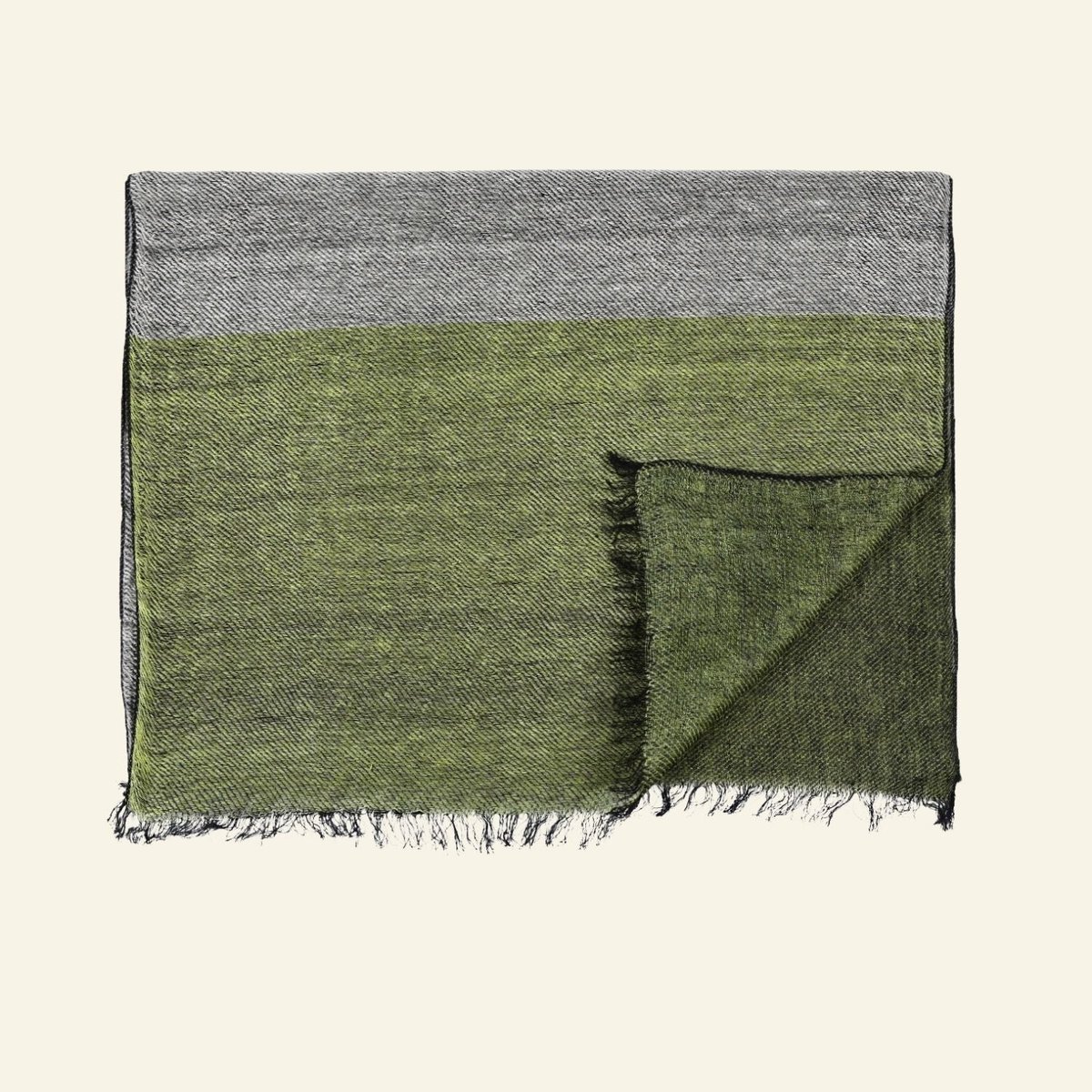
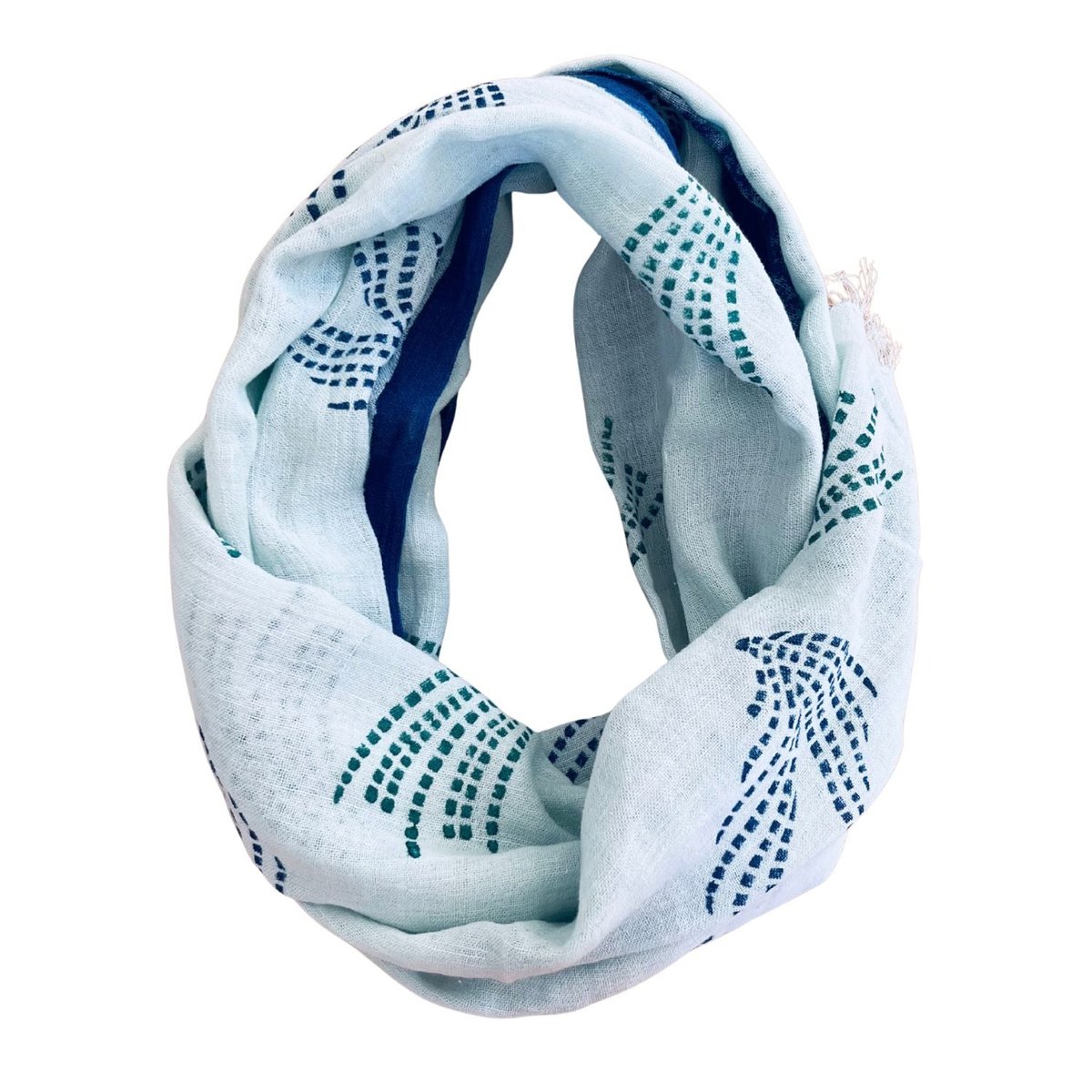
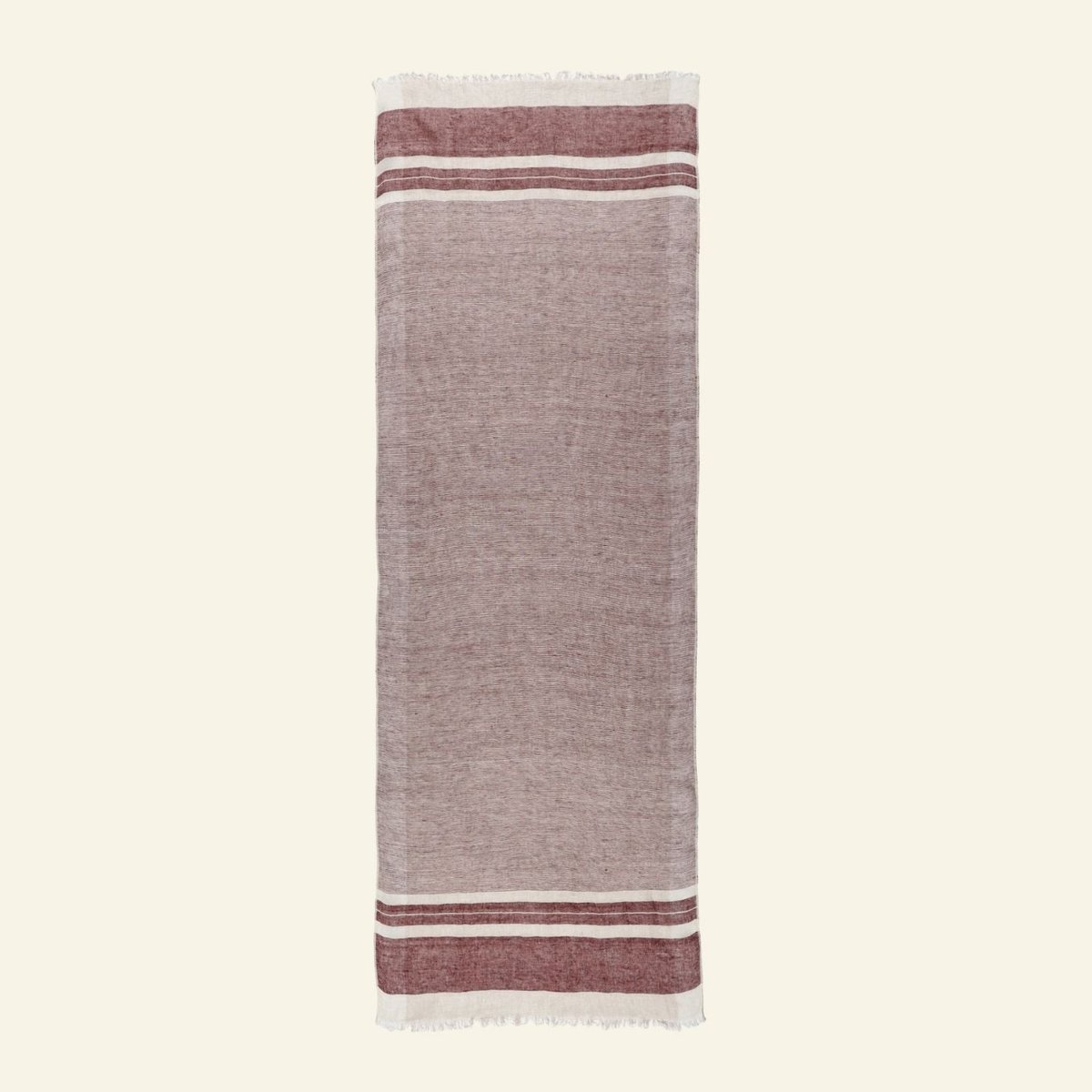
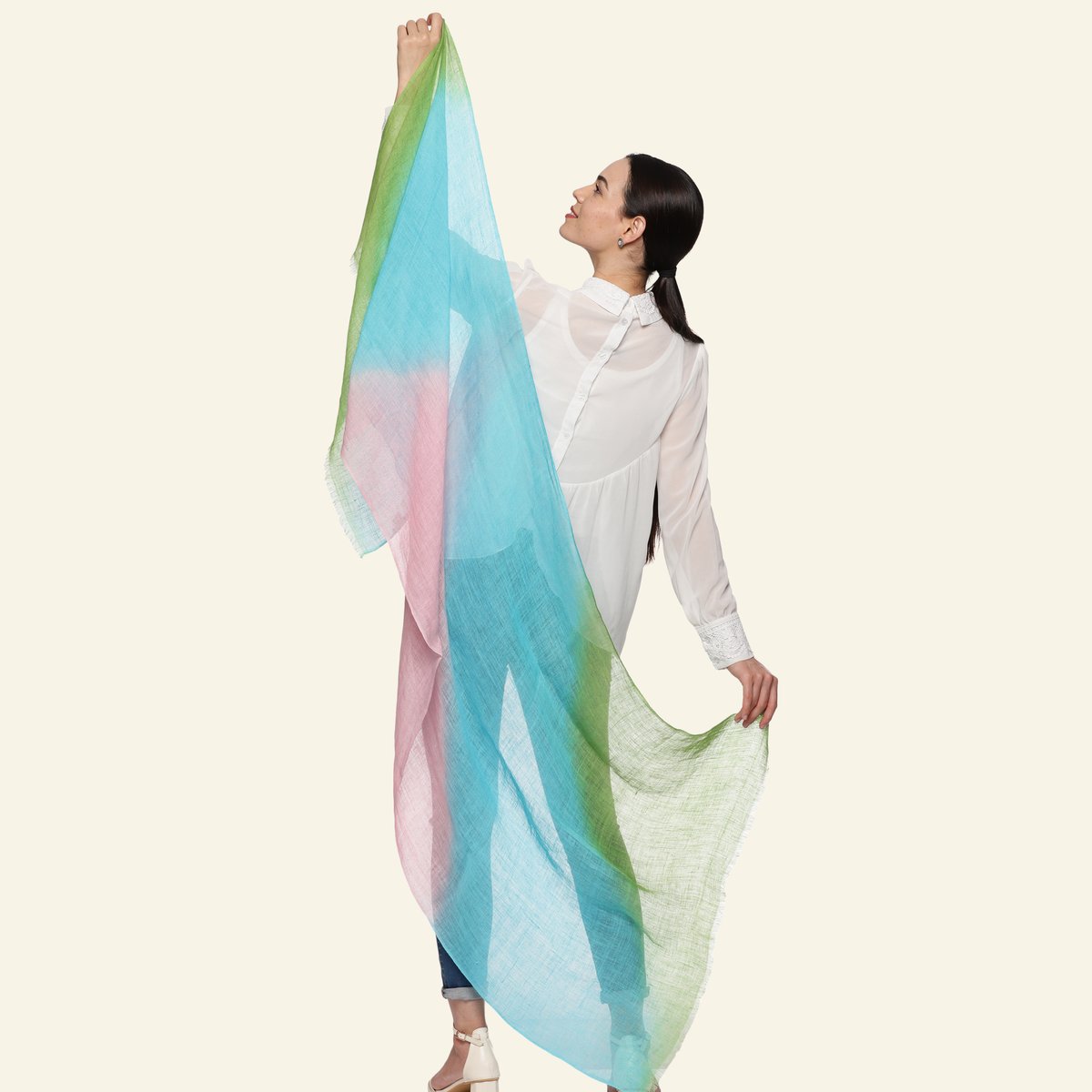
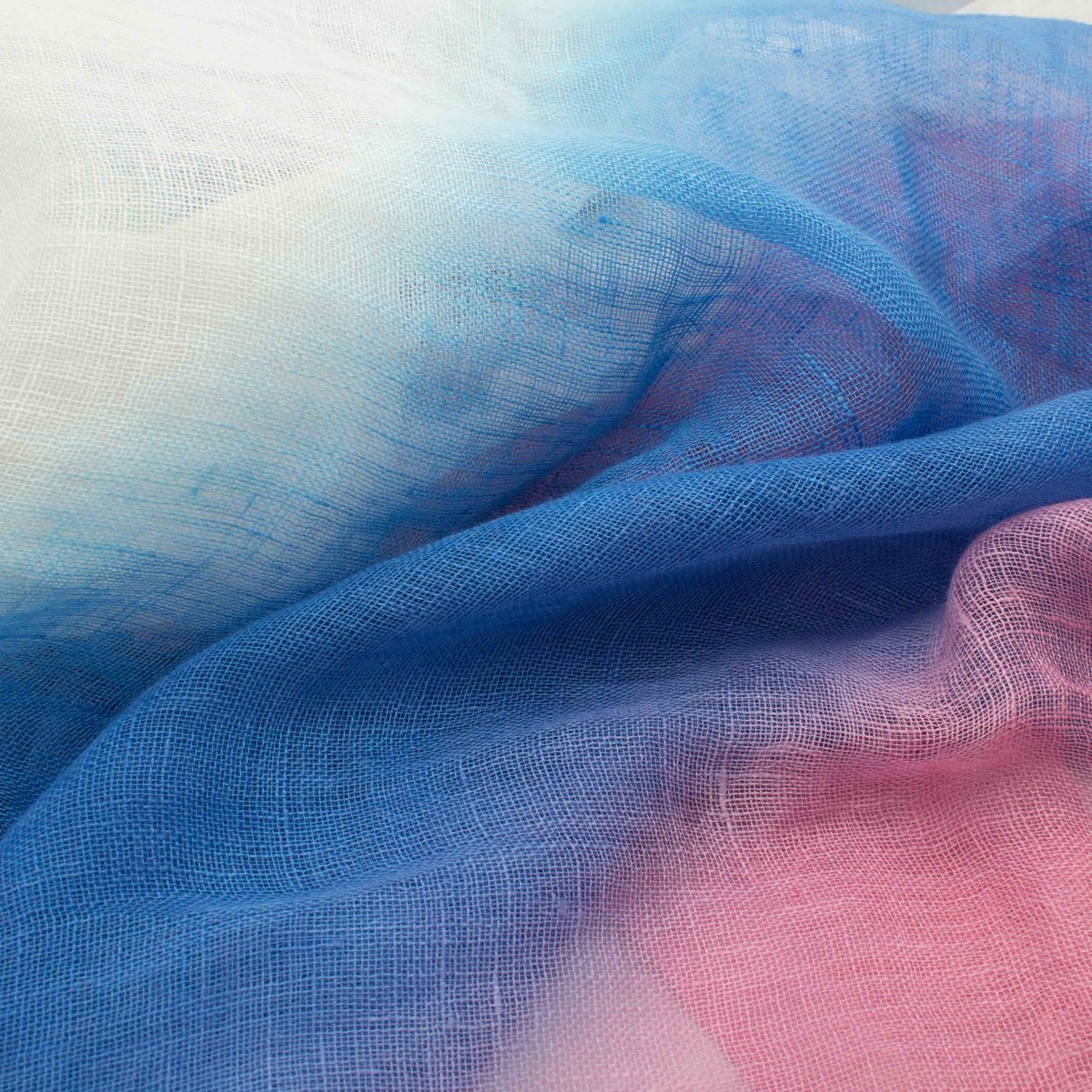
Time is the other measure. The brand states that its undyed embroidered pashmina takes about four months end to end and its cashmere scarves about three, against about a month for a tie-dyed linen scarf. Those linen scarves are hand tie-dyed by women artisans in Rajasthan, again by the brand's account.
Built for Europe, sold in India
She registered the brand in India and sold there for three or four years, through Indian luxury marketplaces and premium hotel chains, by her own account. Then two conclusions arrived together. A warm market was the wrong market for scarves and kimonos, and owning the business from a distance was not working either. So she moved to Germany, to be near the people she had always meant to sell to.
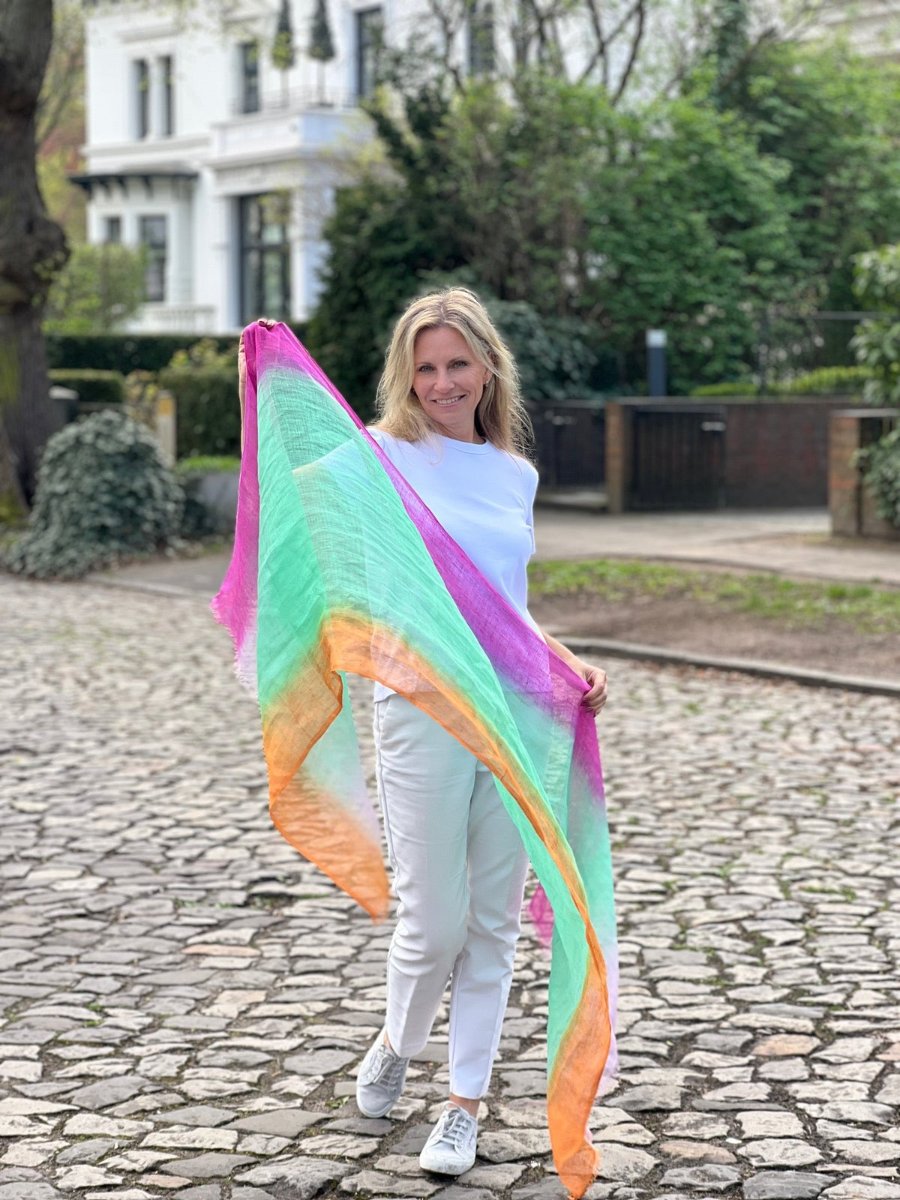
The product logic that followed is unromantic. Scarves and kimonos are free size, so returns stay low. They are light, so shipping stays cheap. And handmade pieces, she says, are what people give as gifts. She started small and on the creative side, then found that creativity had to be backed with process and standardisation. The artisan story sounds good, in her account, and it asks for professionalism on both sides, because it is still a contract.
Even in handmade you need to have some volume behind that handmade.
First the markets, then the fairs, then a contract.