The renaissance of making
On the people who don't simply launch products, but make things. And on why, right now, we find ourselves longing for their work again – so much that we have started making things ourselves.
The more our lives are shaped by AI, automation and digital acceleration, the stronger our appetite seems to grow for the opposite: things that take time, hands and skill. We sew. We throw clay. We repair, bake, build. We sign up for workshops, rediscover old techniques or learn them for the first time. Not because we couldn't buy these things. But because making gives us something that has become increasingly rare in a digital world: a tangible outcome. Making something yourself is a kind of counter-movement, a longing. A result sits in front of us. We can see it, touch it, use it.
Skill is becoming cultural capital again
Psychologists call it self-efficacy: the feeling that your own actions can actually change something. That may explain part of the renewed fascination with making. But there is another effect, too. Once you have tried to make something yourself, your perception of skill changes.
Sit at a potter’s wheel. Sew a garment. Repair an object instead of replacing it. And suddenly you begin to understand how much experience, practice, knowledge and time are hidden inside something that appears effortless when it is done well.
Skill becomes visible again. And perhaps that is why it is becoming a form of cultural capital. Because in a world of permanent availability, we are starting to recognise something we have ignored for too long: the work behind the object.
Meet the new makers
The renaissance of making does not mean that we all need to become potters, tailors or shoemakers. Most of us do not have the time. Or the skills. What it does mean is that we are beginning to look more closely at the people who do.
This is where a new generation of independent founders comes in. People who built brands from a skill, an idea and, surprisingly often, a very personal need. Their stories tend to begin with the same deceptively simple question: Why doesn’t the thing I am looking for exist? So they make it themselves. A small side note: this is, in essence, how Vali and Zachi founded ledge.eu, too.
Materials are sourced. Techniques are tested. Producers are found. Cuts, proportions and manufacturing processes are changed, refined and changed again. An idea becomes a sketch, then a prototype, eventually perhaps a small series. Not necessarily because the world needs another product. But because these people believe it can be done differently. And better.
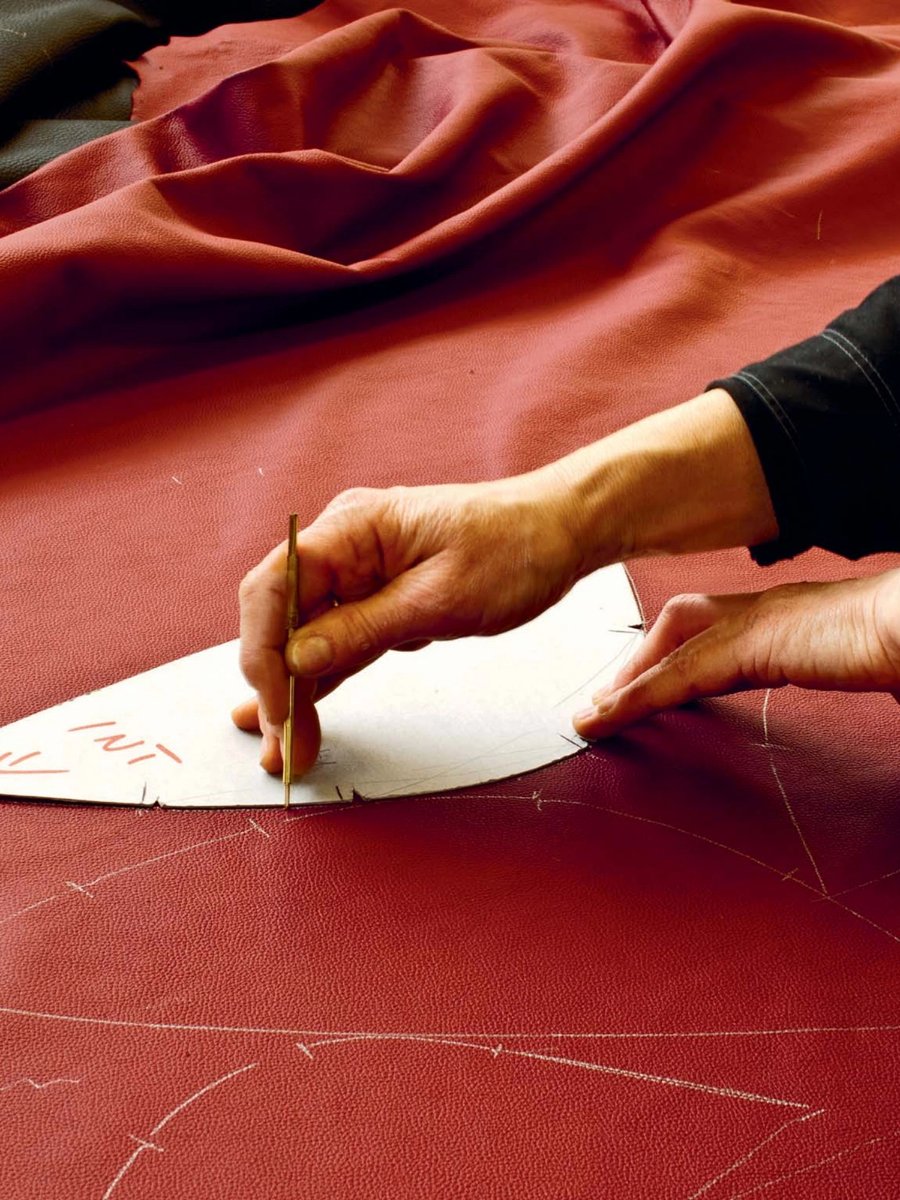
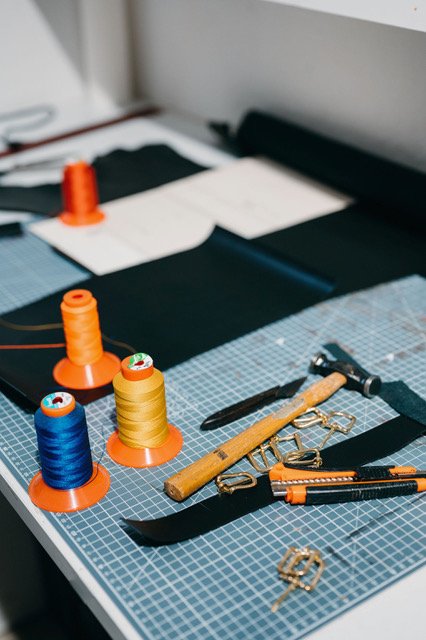
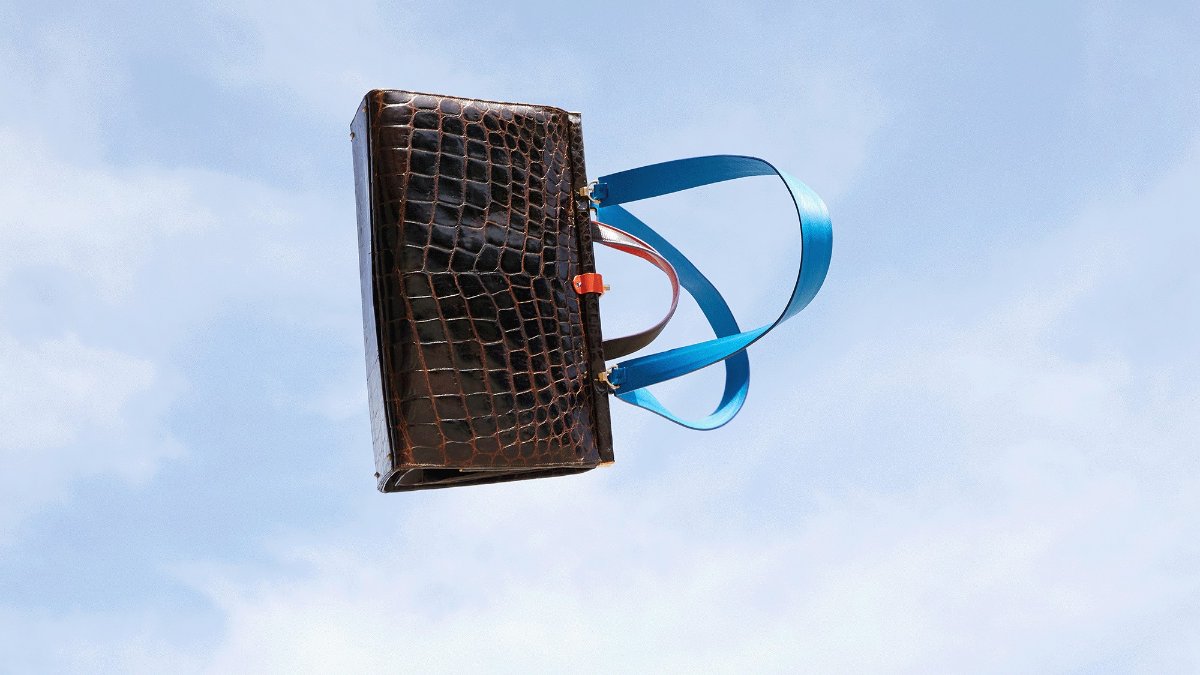
Take Anna Eham and Justine Nessi, who create bags and accessories by hand at their Munich leather atelier an:ju. Their work draws on traditional fine leather craftsmanship, with a clear ambition: to create pieces made to stay. Through their “Forget me not” initiative, they also rework high-quality bags and give them a second life.
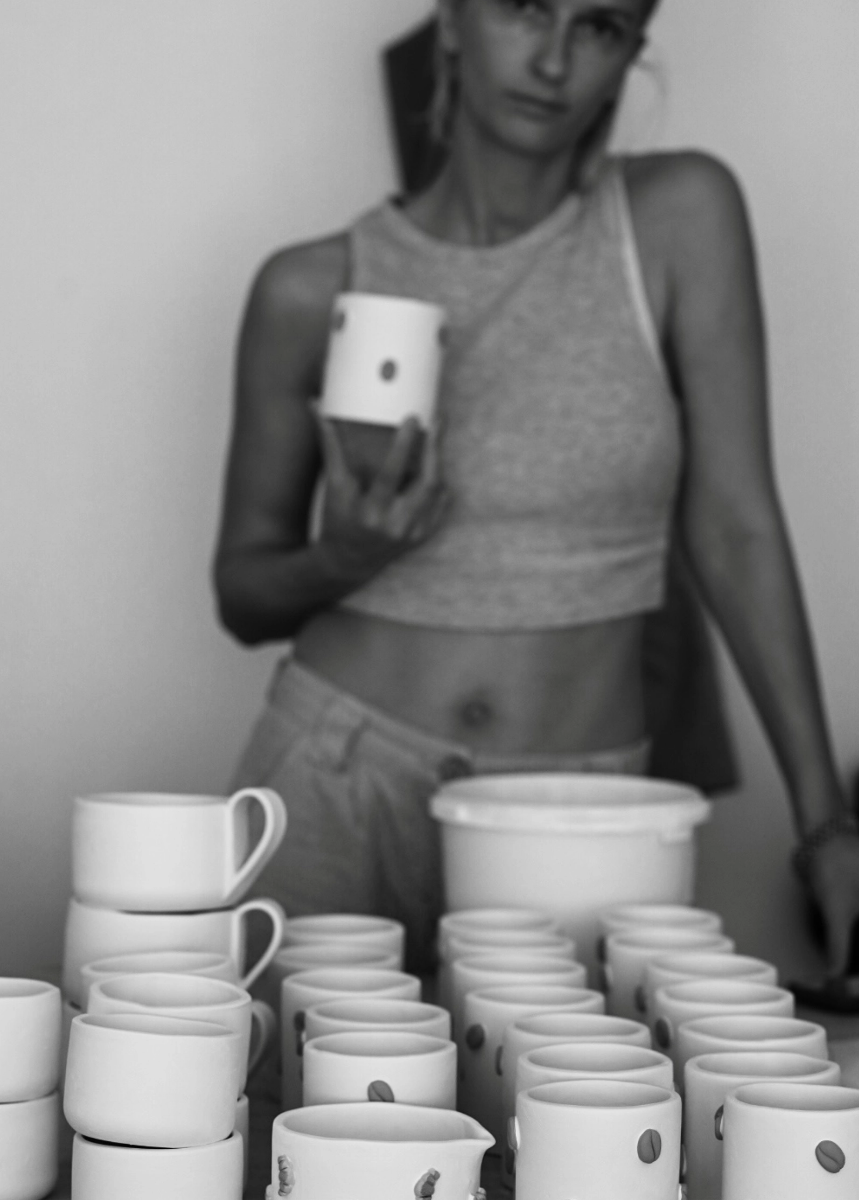
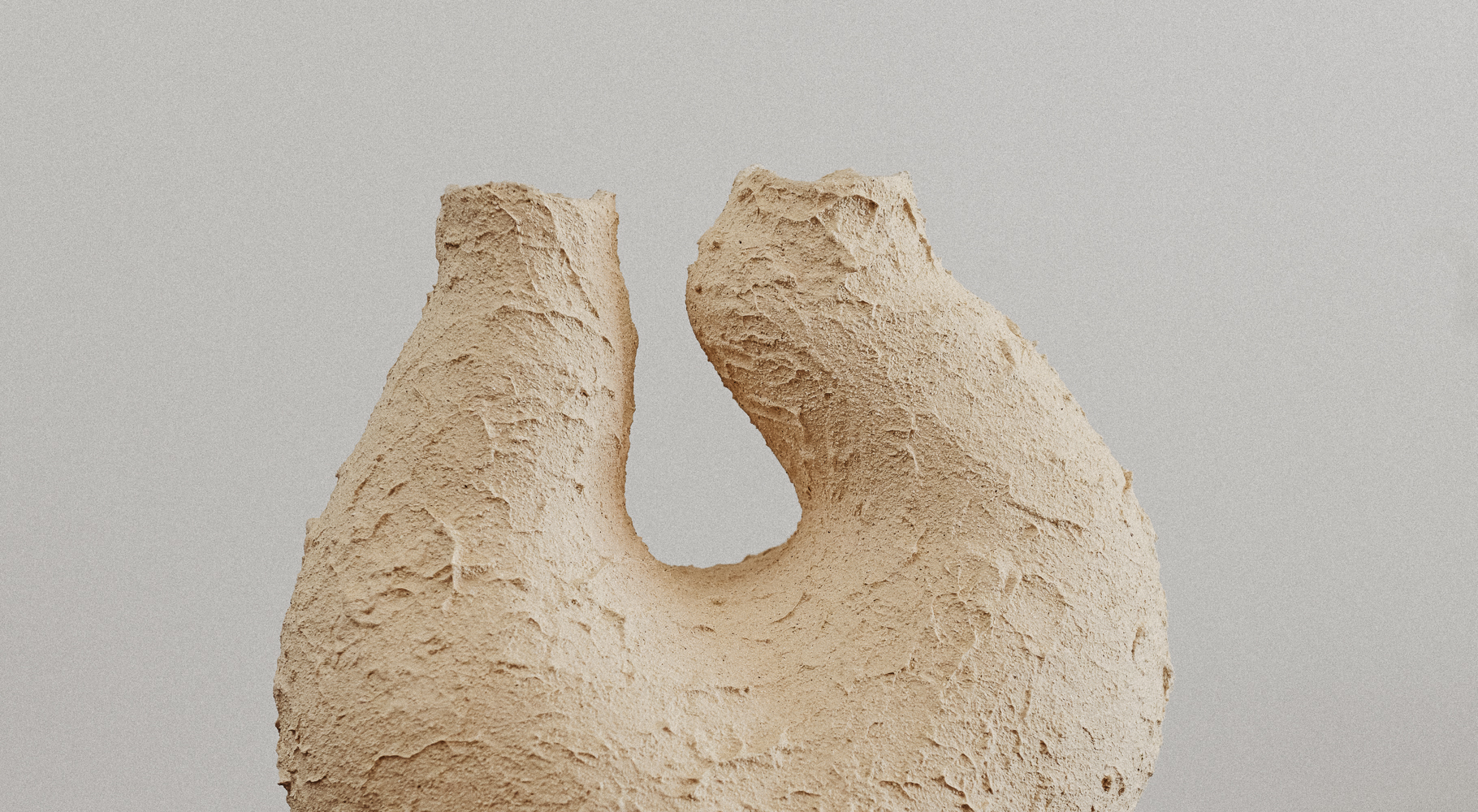
In Barcelona, Studio Üm founder Olga Makinze translates the restraint of Japanese design and the clarity of Scandinavian aesthetics into handmade ceramics. Natural materials. Organic forms. A precise instinct for surface and proportion. These are not loud statement objects, but quiet pieces with presence.
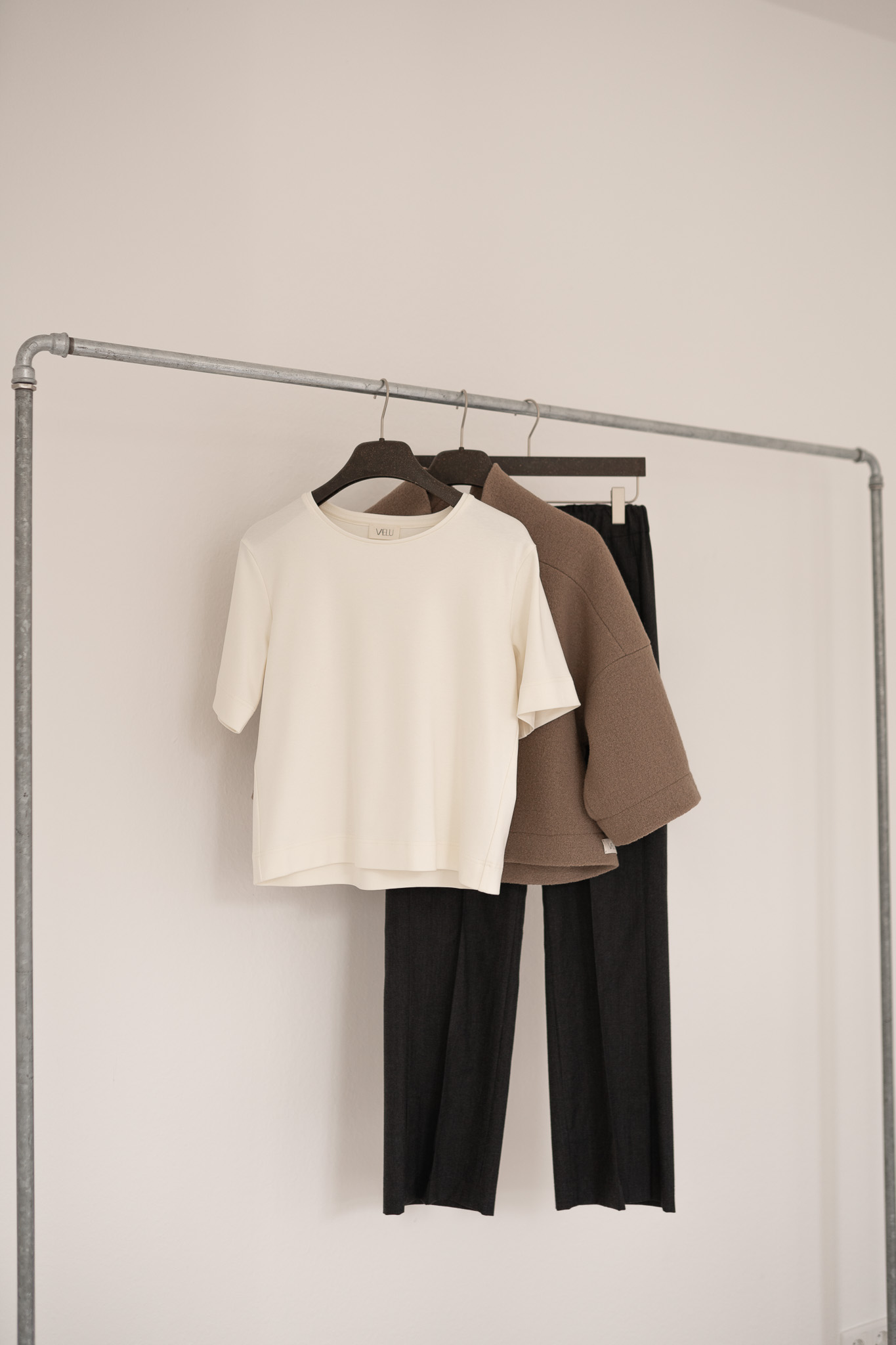
At Vaelu in Münsterland, Dania Mollemeier works according to the made-to-order principle. Garments are cut and sewn only once they have actually been ordered. No speculative stock. No production in anticipation of demand. Her understanding of value in fashion includes nature, people and the craftsmanship behind every single piece.
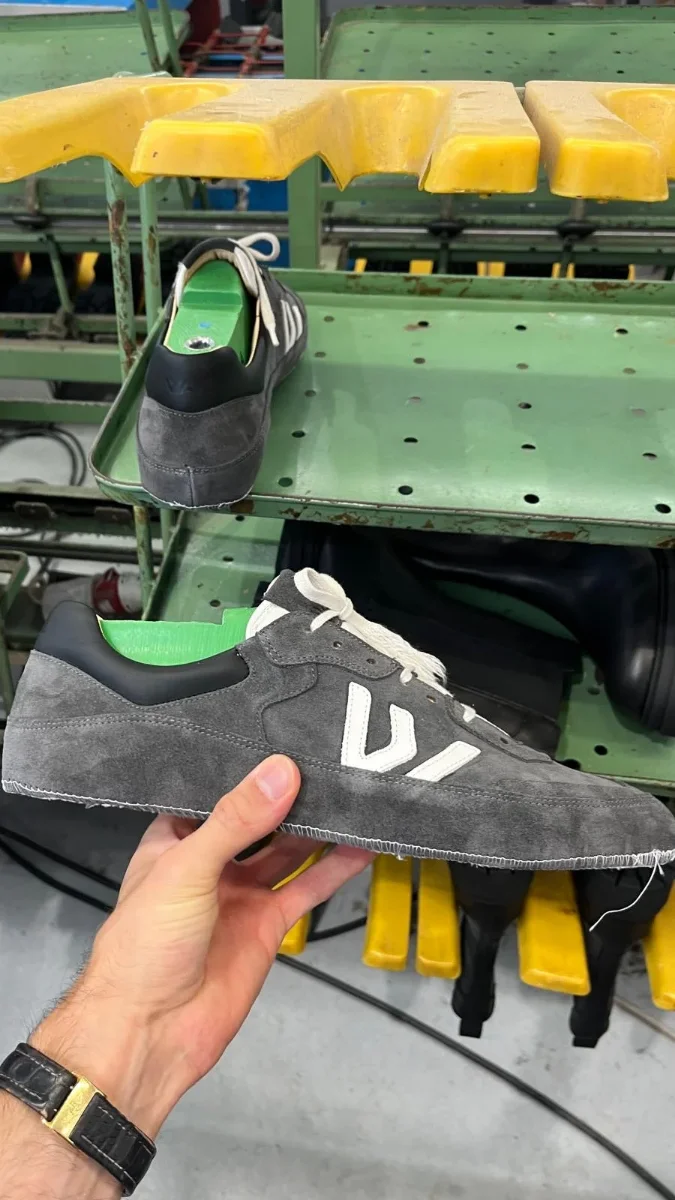
Pedro Maçana and Daniel Gonçalves of Wayz, meanwhile, make sneakers in Porto. Pedro came to footwear development after years at an international sportswear company; Daniel’s background is in product design. What unites them is a desire to know exactly who has handled a shoe before it reaches the person who will eventually wear it.
Different makers. Different stories. But the same basic conviction: things should be made with intention.
The value of what is made
Independent, founder-led brands matter for reasons that go far beyond the product itself. Industrial production inevitably asks: How can we make more? These makers begin with another question: How can we make it better? That is a different logic.
And it creates a different relationship between maker, product and owner. Once we know where something comes from, who made it, why a material was chosen or how a technique has been refined over years, the object changes in our eyes.
So does the price. Instead of simply asking whether something is expensive, we begin to understand why it costs what it costs. Because value becomes legible. And once we understand how something was made, we tend to treat it differently. We care for it. Repair it. Keep it. Knowing the story behind an object makes it harder to see that object as disposable. Perhaps that is the most important idea behind the renaissance of making. Not nostalgia for a slower past. But a new awareness of value.
Less about having more. More about owning things that mean something.
Three approaches to making
You might wonder:
What role does craftsmanship play in museums and cultural institutions?
Craftsmanship is no longer being treated as a niche concern. Across Europe, exhibitions are increasingly placing material knowledge, manual skill and the human hand at the centre of the conversation. Projects such as "Homo Faber" in Venice show how craft is being reframed not simply as heritage, but as a form of contemporary cultural knowledge – particularly at a time when more and more processes can be automated.
Is traditional craftsmanship still relevant to contemporary design?
Very much so. Increasingly, traditional craft is being treated not as a nostalgic return to the past, but as a resource for the future. One example is FASHION X CRAFT, a programme by Fashion Council Germany and The King’s Foundation that connects emerging fashion and textile designers with traditional craft techniques. The idea is not to preserve craft under glass, but to put it back into motion – linking craftsmanship with sustainability, innovation and new approaches to design.
Brands in this story

Read by people who care how things are made.
ledge Magazine lands once a month, free.
The archive opens as the editions grow.