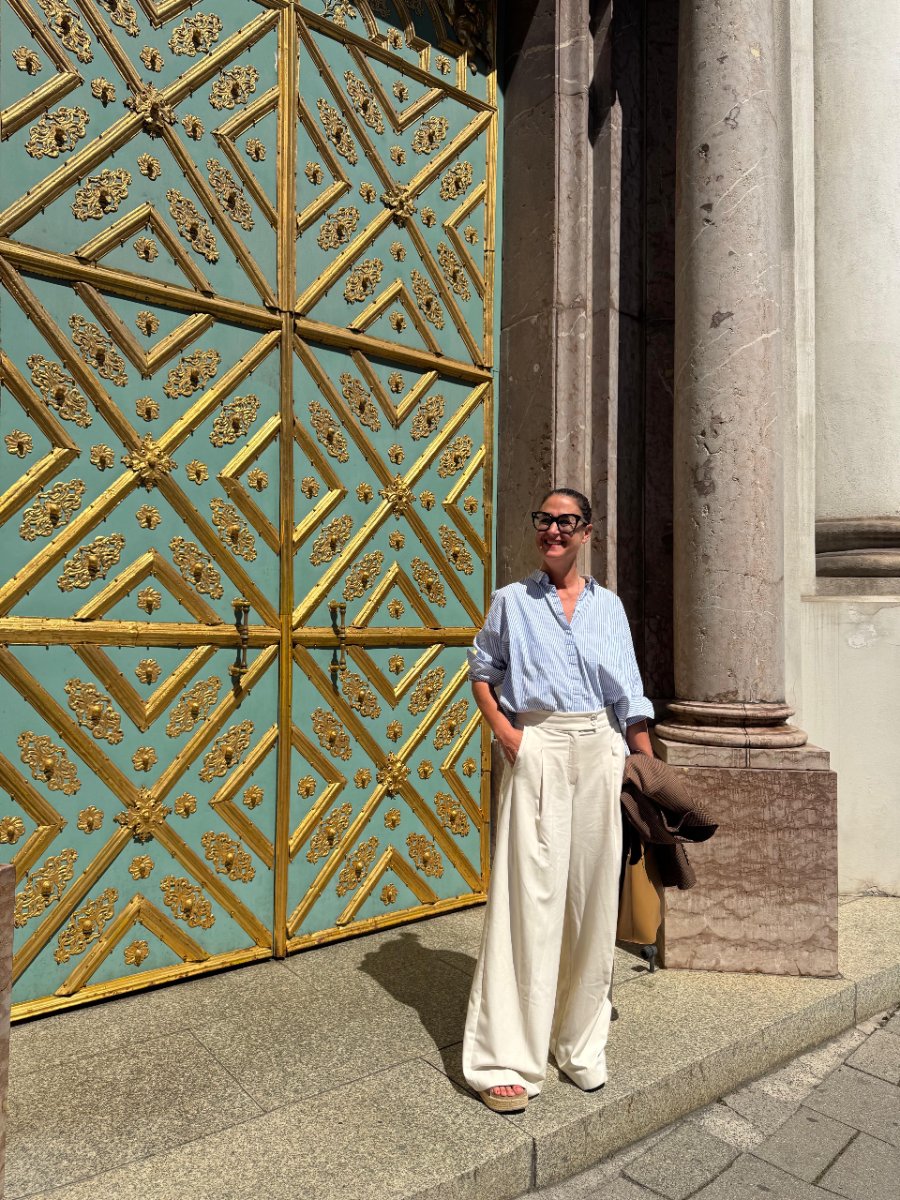
My idea of (sustainable) fashion
Why, after sixteen years in fashion journalism, I no longer want more. I want the right things. On favourite pieces, numbers that won't be argued away, and a word I spent years looking for.
For sixteen years I worked as an editor for fashion magazines. I tracked down trends, declared must-haves, created desire. Consumption? I never questioned it. Quite the opposite: I helped drive it, and joined in with enthusiasm.
With every new season, every trend (just saying: trends exist so that we buy, even when we need nothing at all), every "this is what we need now", new pieces went into the magazines. And from there, very probably, into a great many wardrobes. Things we, you can guess, didn't actually need. And that was at a time when the fashion carousel still turned a good deal more slowly than it does today.
About ten years ago I stepped off that more-and-more machine. Not out of fashion. Out of the idea that loving fashion has to mean consuming in bulk to stay fashionably relevant. Because at some point, more simply becomes too much.
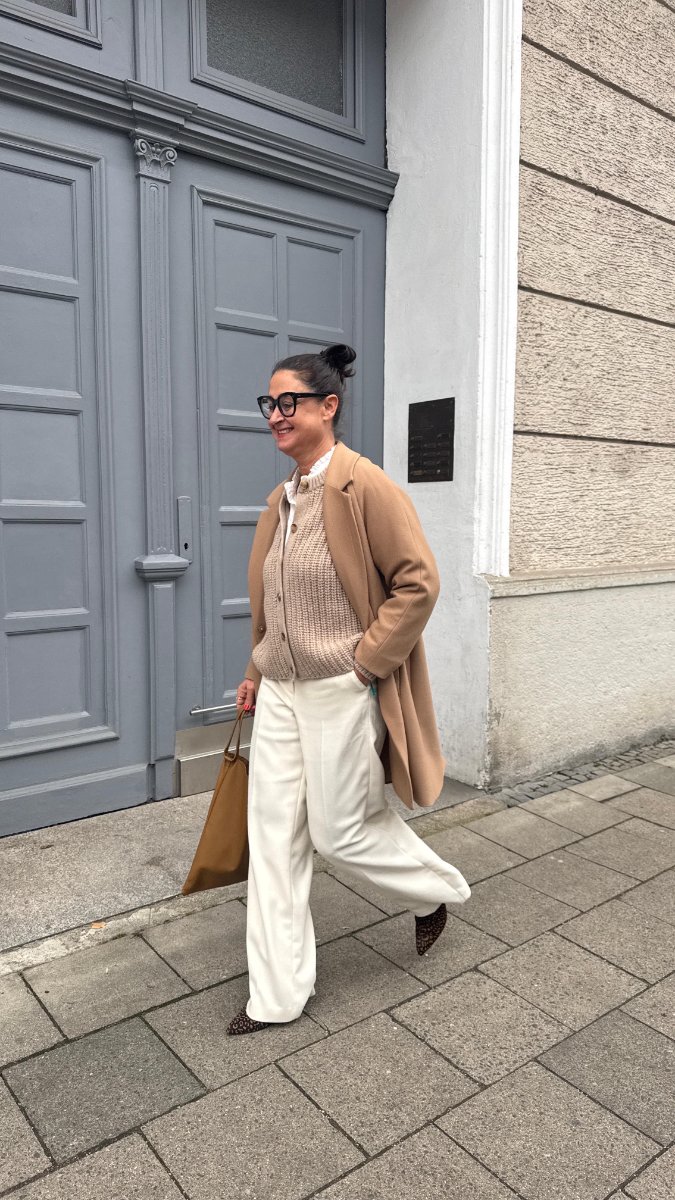
A little reality check
I'm a journalist. More a words person than a numbers person. But some numbers tell stories that can't be argued away:
According to current figures from the UN Environment Programme, the textile industry is responsible for an estimated 2 to 8 per cent of global greenhouse gas emissions. At the same time, the share of textiles that are actually recycled into new textiles is still under one per cent. More than 80 per cent of the world's textile waste is incinerated, landfilled or otherwise lost.
In the EU alone, around 12.6 million tonnes of textile waste are generated every year. Clothing and footwear account for about 5.2 million tonnes of that.
And globally, so many garments are still thrown away that the Ellen MacArthur Foundation describes the volume as a truckload per second.
So while we are still debating how much change is really needed, the carousel keeps turning. Fast fashion became ultra fast fashion. Collections became drops. Seasons became a permanent stream of new product.
Faster. Cheaper. More. And yet the answer could be surprisingly simple: Slow down. Choose better. Love longer.
I still love fashion
I still love fashion. Perhaps more than before. I love design. Cuts. Materials. Craft. That particular intelligence of a garment in which proportion, fabric and construction suddenly fit together exactly. I love the stories behind designers and brands. And that wonderful possibility of saying something about ourselves through what we wear, without a single word. I just go about it differently now.
People often ask whether I still buy fashion. Of course I do. And that despite having more clothes in my wardrobe than I could wear out in a lifetime. This isn't about going without (fashion is far too much fun for that). It's about a change of mind. Not as a corset but, in the long run, as an enrichment. I buy less and choose more carefully. And precisely because of that, I enjoy my pieces more, for longer.
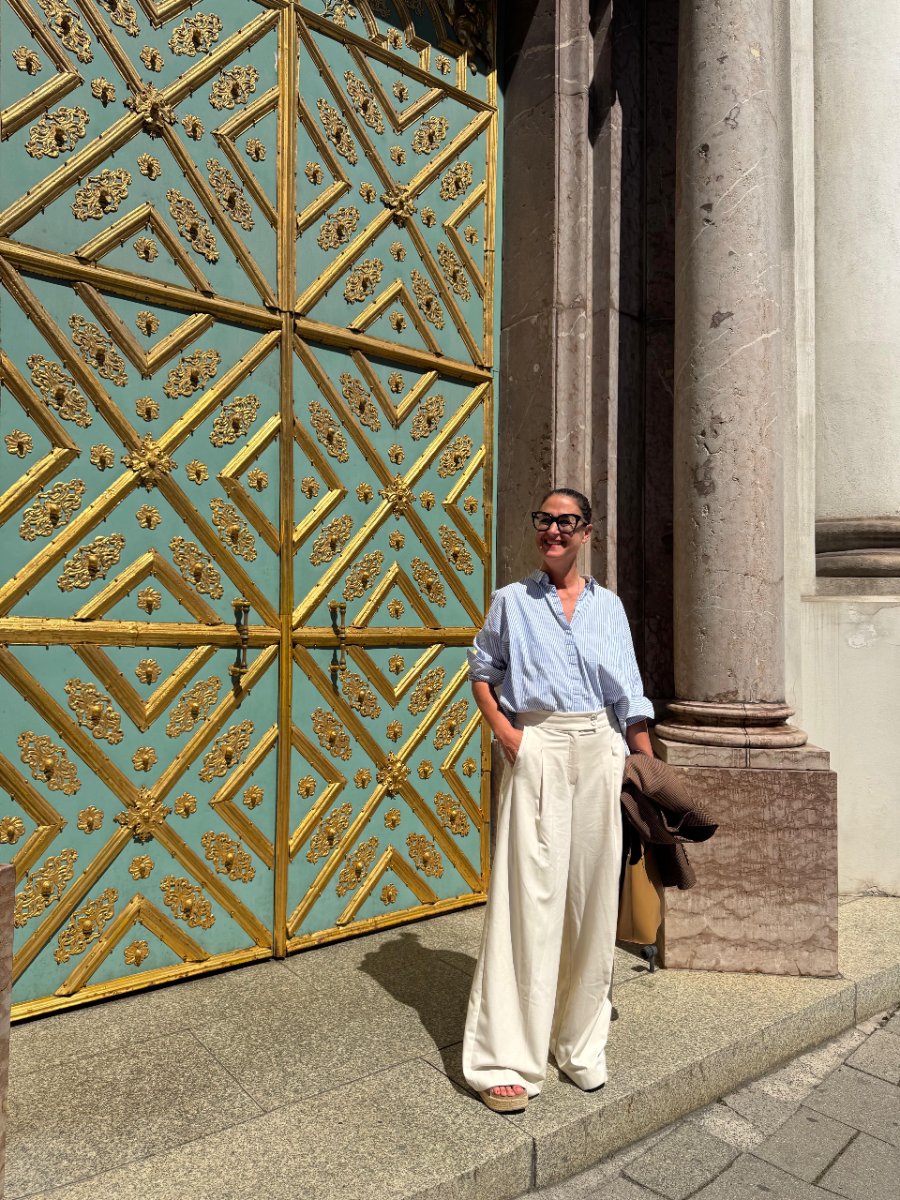
What interests me more now is who made something. How it came about. Which materials were used. And whether I really want to wear it for a long time.
Quality over quantity.<br>Slow over fast.<br>Favourite pieces over throwaway trends.<br>Owner-run over interchangeable.<br>A story over randomness.<br>Appreciation over wear and tear.
There is a whole string of terms for this by now: sustainable fashion. Green fashion. Ethical fashion. Conscious fashion. Slow fashion. You name it. I'm not especially fond of any of them.
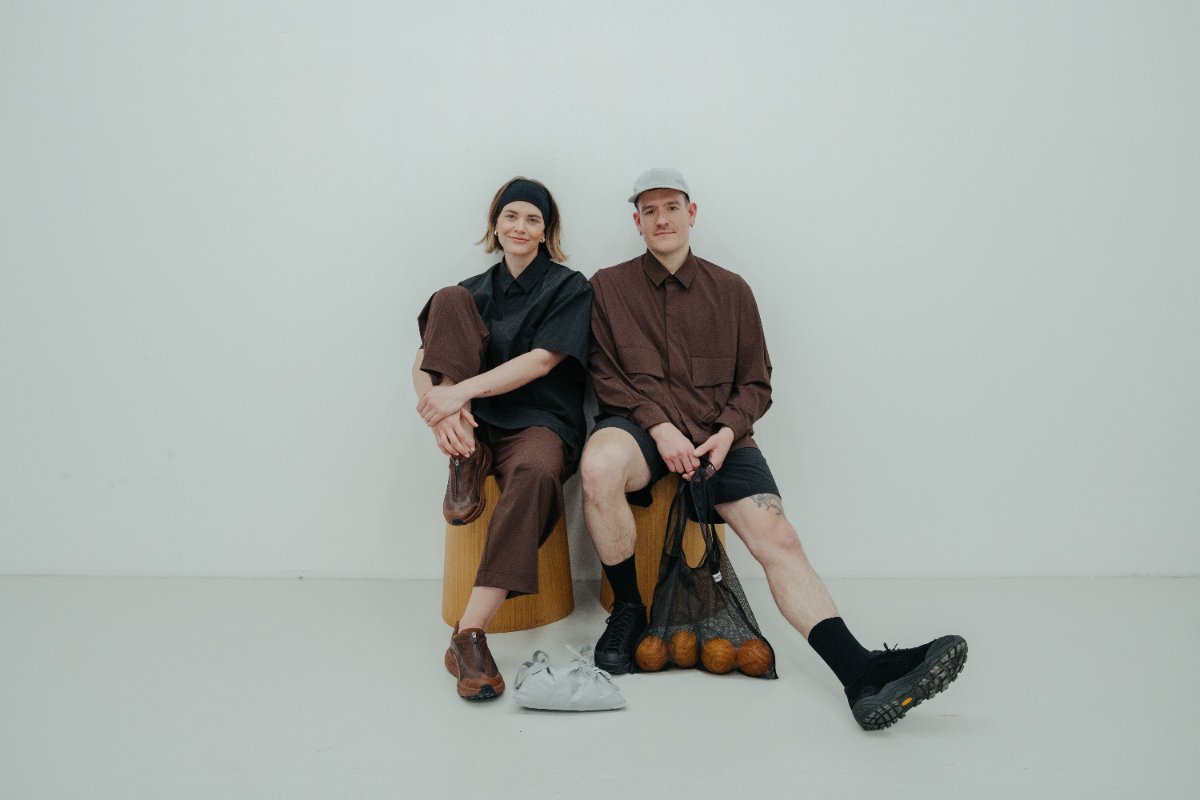
Which is why I spent a long time looking for a term that describes these brands and their collections better. And now I've found it: mission-driven. My thanks to the two ledge founders, Vali and Zachi, for letting me call off the search.
I know who made my clothes
Because behind these brands are people. Designers, founders, producers. People who stand behind what they bring to market with their name, their idea and, often, a great deal of personal investment. They know where it is produced. Which materials are used. Who works on their products. And above all, they know why they want to do things differently.
Many of them know the conventional fashion circus intimately. They have worked for big companies, seen the production chains, sat through the decisions and understood what happens when a system thinks mainly in one direction: growth through ever more goods. So they decided to go another way.
With smaller runs. With made-to-order. With local producers. With better materials. With traditional craft. With new manufacturing methods. With repair, take-back, recycling or circular concepts.
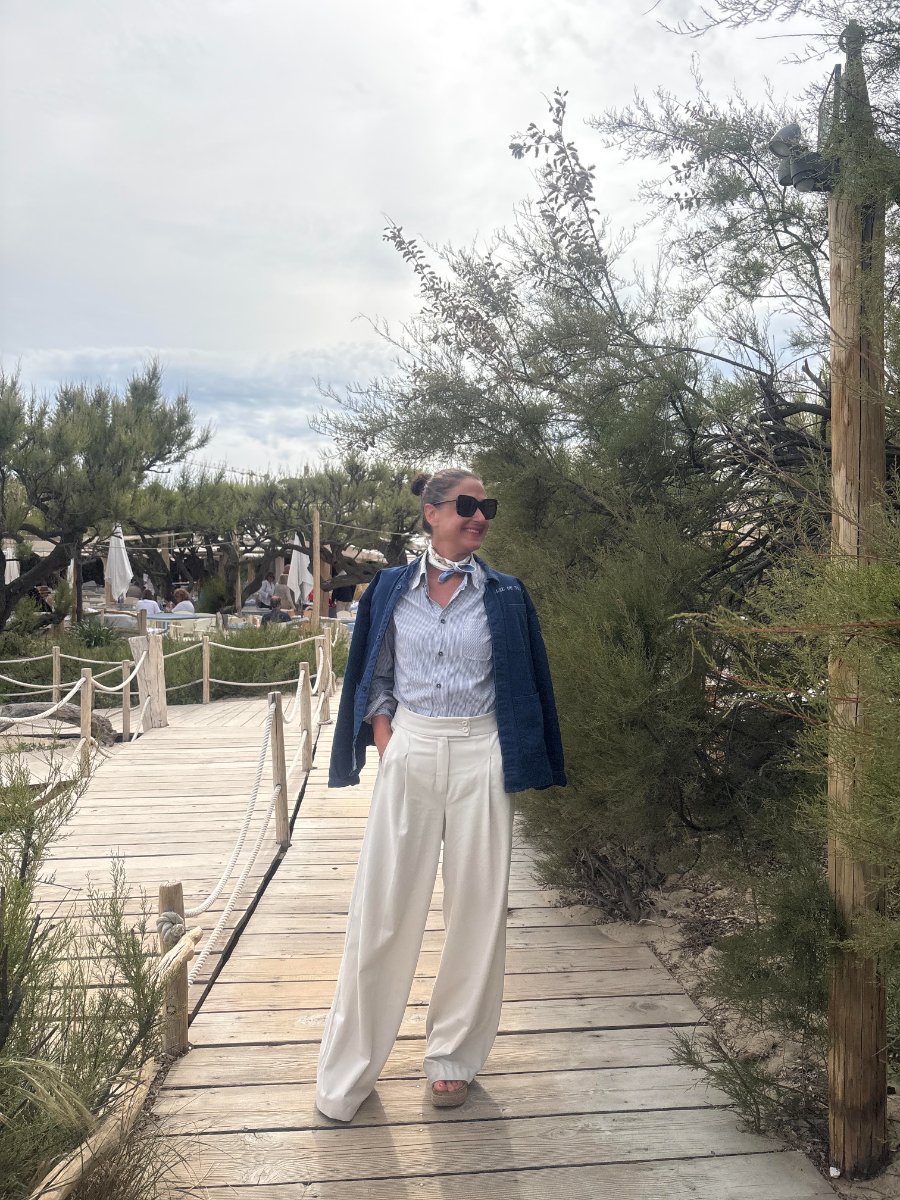
Not every one of these brands gets everything right. My claim? 70 per cent is the new perfect. Perfection isn't the point anyway. The point is that someone takes responsibility for their own decisions. And that is exactly what interests me.
Because it feels better
Because it feels remarkably good to wear a garment and know something about it.
To know who is behind it.<br>To know what you're wearing against your skin.<br>To know where and how it was made.
To know that the people along the textile chain were treated with respect.
For me, that is what luxury means today: owning things that mean something to us. Not ever more. The right ones. Things we like wearing. Wear often. Wear for years. Care for, repair and perhaps one day pass on.
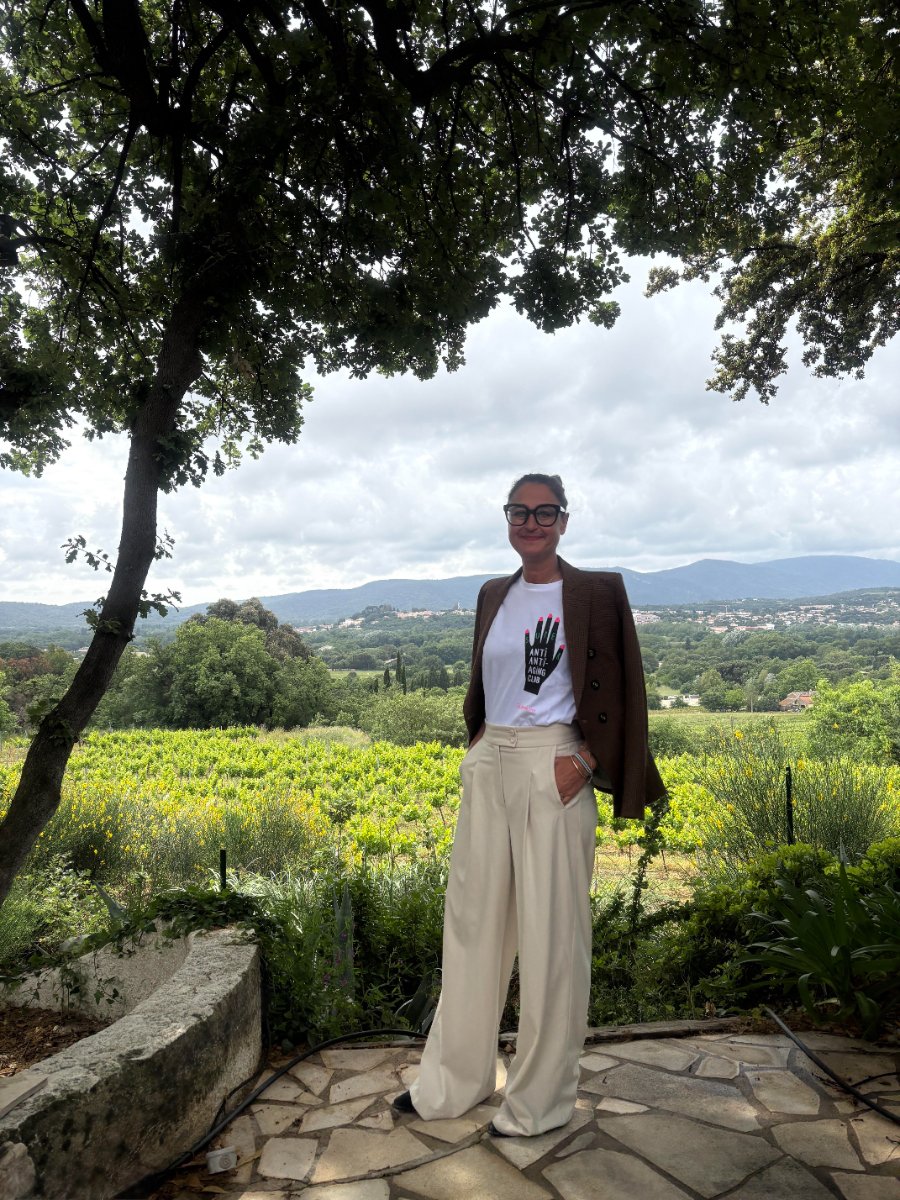
None of this is about going without. On the contrary. I want to enjoy fashion. I just no longer want to have to have everything. I want to choose.
70 per cent is the new perfect.
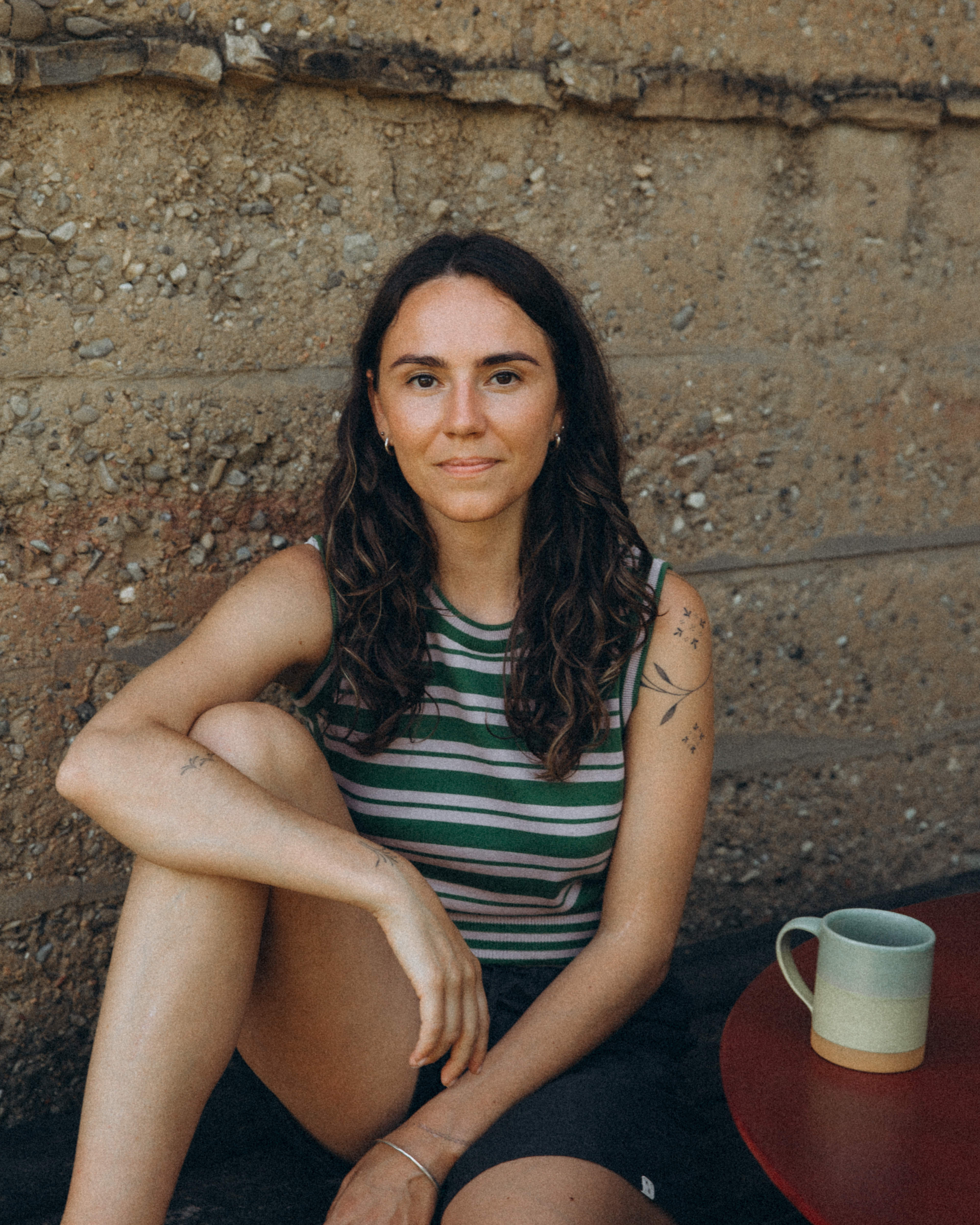
Perhaps that is exactly the change I've lived through over the past ten years. My job used to be knowing as early as possible what was coming next. What interests me far more today is what can stay. Which is why I devote a large part of my work to the very people and brands developing alternatives to more-and-more: as a journalist and publisher, as a host and speaker, as a consultant and connector, and today also as Editor in Chief and in brand partnerships at ledge.
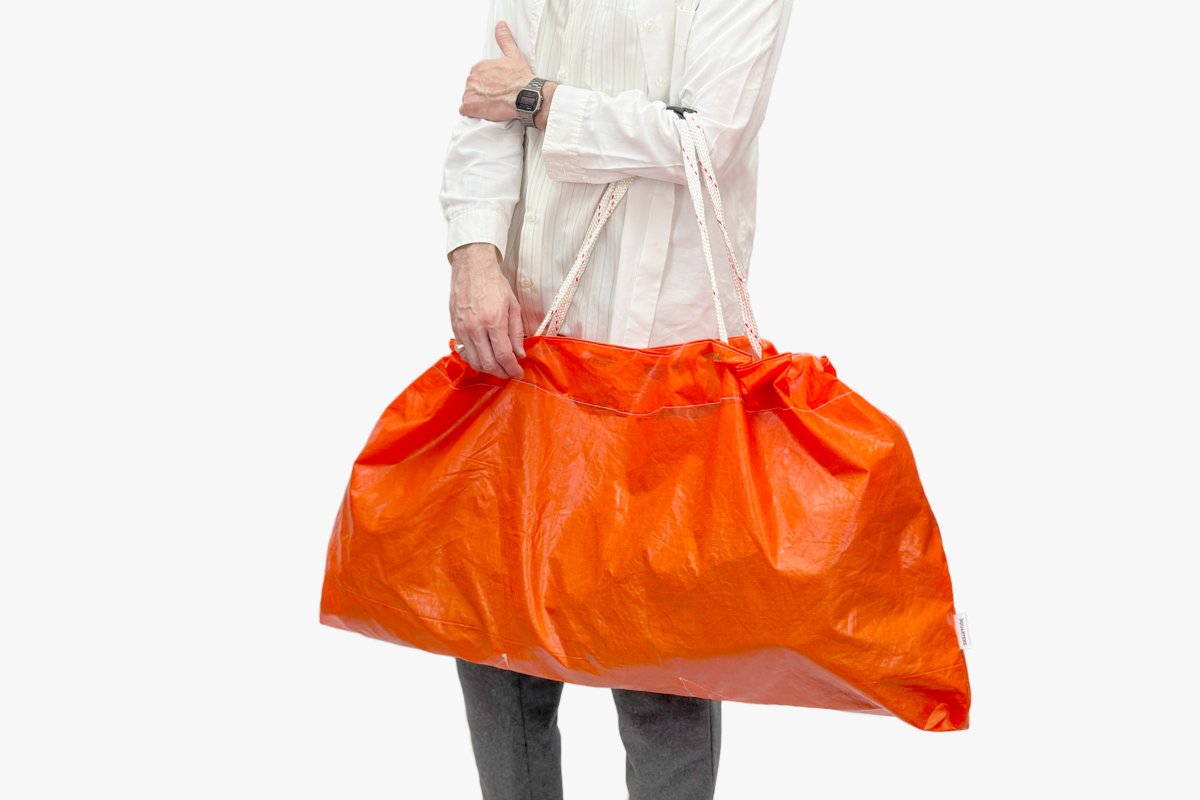
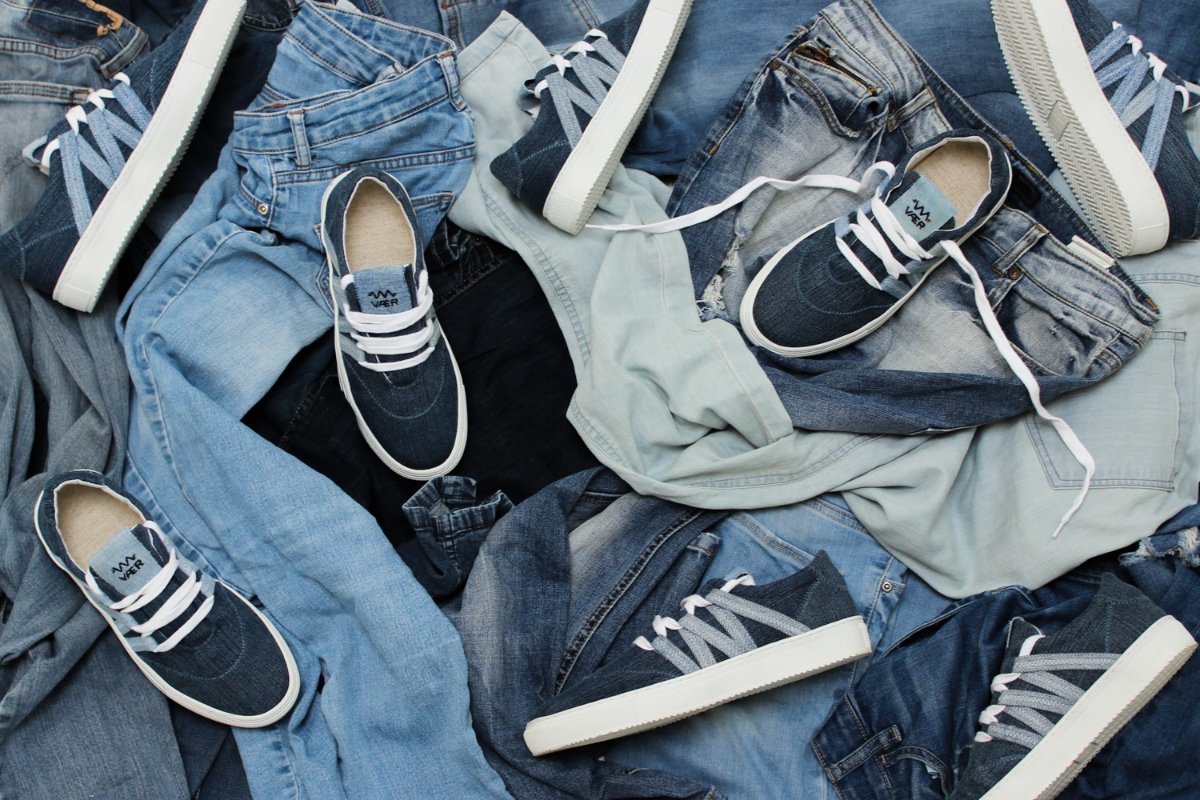
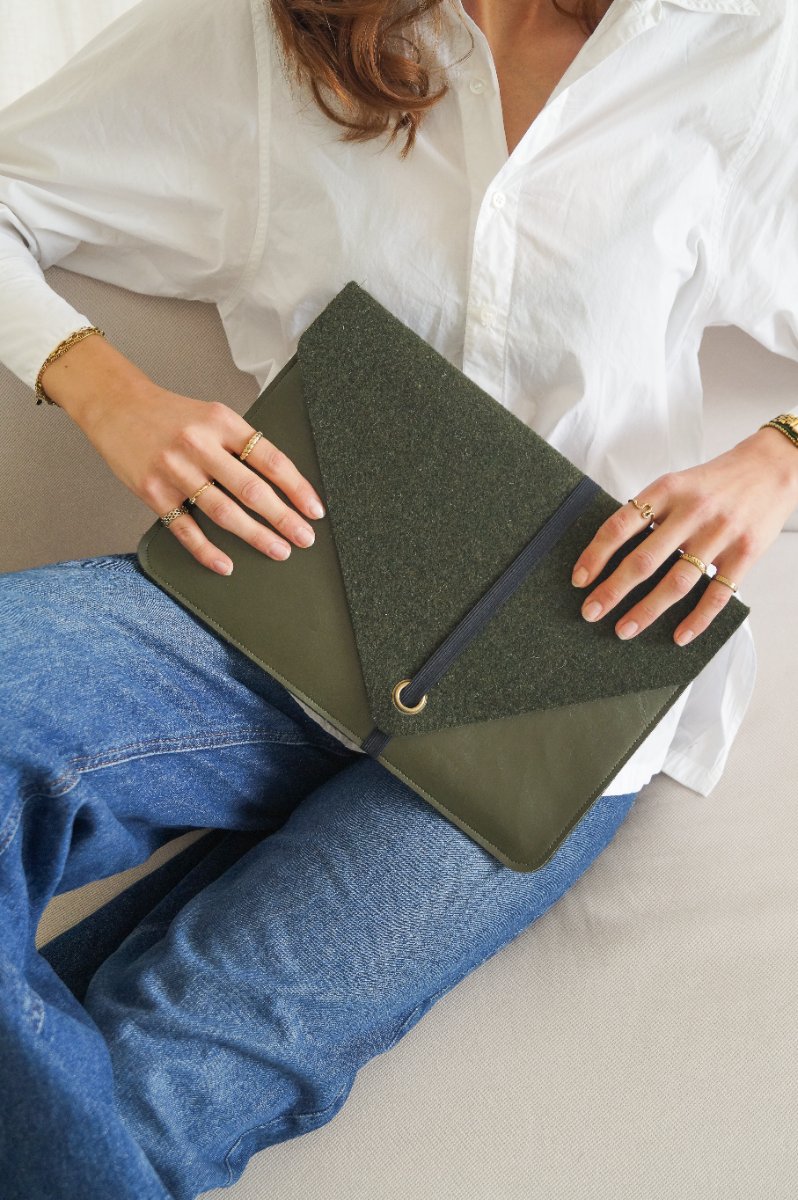
Because there are alternatives to the obvious. We just have to discover them. And pass them on. More and more of these founder-led, mission-driven brands can be found on ledge.eu. Not because they are all the same. Precisely because they aren't.
And so today I hold with Vivienne Westwood: Buy less. Choose well. Make it last. Because only true favourites have the power to bring us joy for years.
That's my kind of fashion.
What ledge looks for
Brands in this story

You might wonder:
Where do all these (unworn) textiles actually end up?
Much of it is incinerated, landfilled or exported. Some of it travels thousands of kilometres to Africa or Asia, where it is sold again, recycled or exported onward. What nobody wants any more often ends up on a dump or in a fire. See above: a truckload per second.
Is it really legal to destroy unworn new stock?
In the EU, only within narrow limits now. Since July 2026, large companies have in principle been banned from destroying unsold clothing and footwear. It is to be sold, donated, repaired or reused instead. Until now, by various estimates, 4 to 9 per cent of all textiles placed on the European market were destroyed before anyone ever wore them.
Read by people who care how things are made.
ledge Magazine lands once a month, free.
The archive opens as the editions grow.