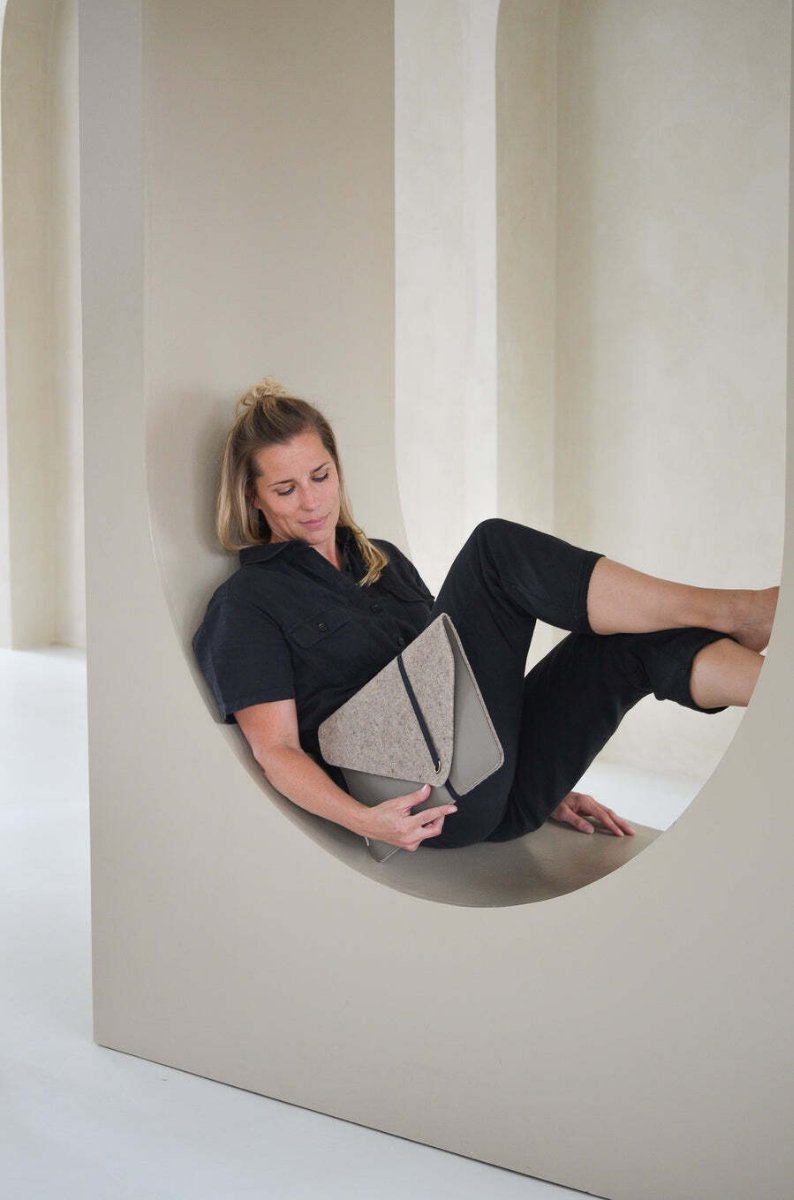
What it's made of, and who made it.
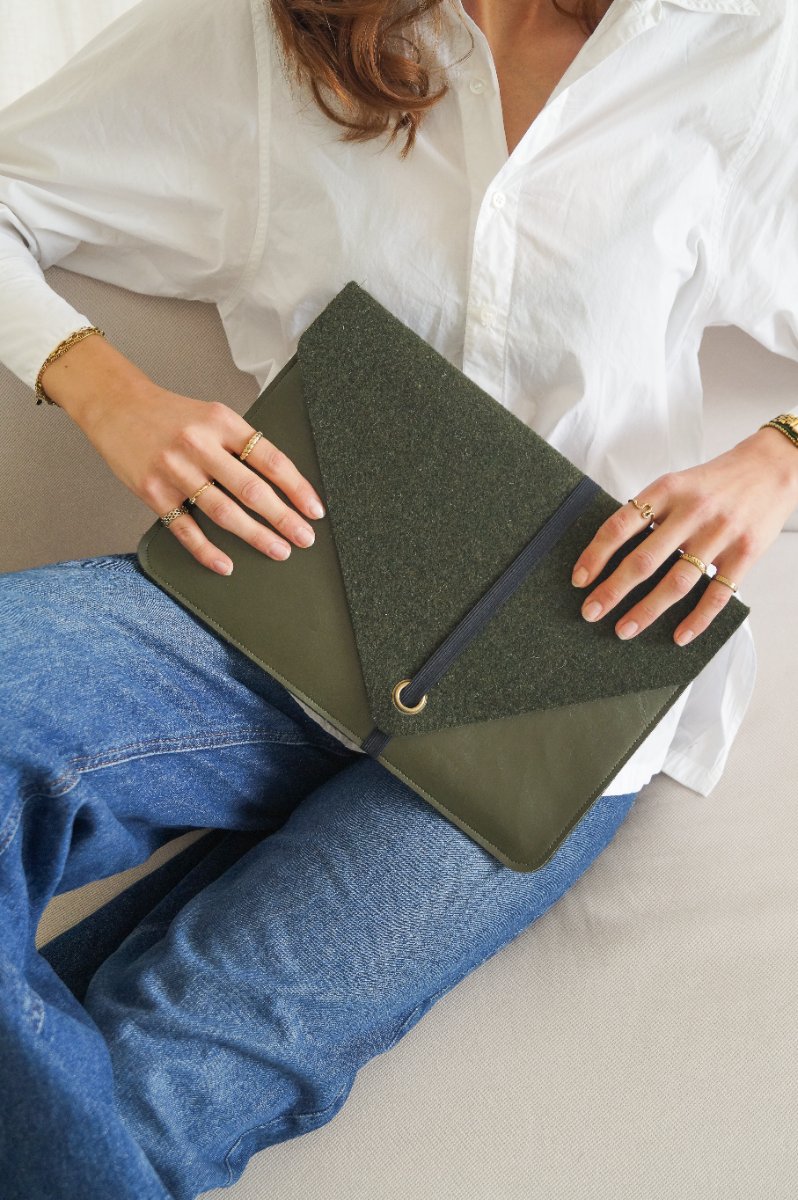
Made Out Of laptop sleeves, bags and notebooks are cut from apple leather, recycled wool felt and leather offcuts, and sewn in the brand's own atelier in the Netherlands by people the job market had passed over. I spoke to founder Marleen Gulden and to Marit van As, who is taking the brand on.
An old jumper becomes a laptop sleeve. The apples the Italian juice industry leaves behind become something that looks and feels like leather. And on the brand's website, under "who made it", there is no factory, just a list of first names: Abdullah, Aat, Janny, Mart, Bert.
The brand is called Made Out Of, and the name is the brief. Every product should be able to answer, from its own label, what it is made of, where that came from, and who sewed it.
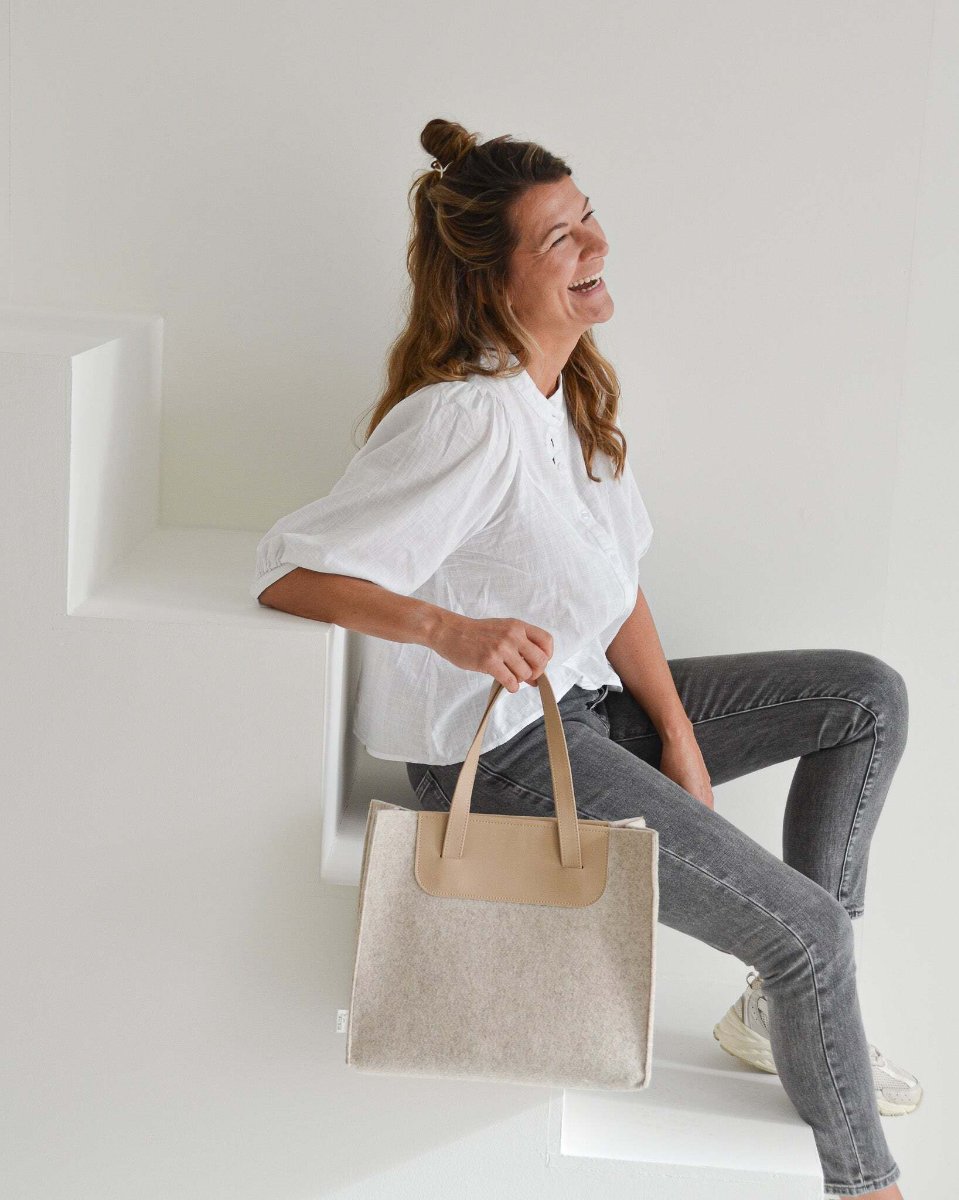
Marleen Gulden started it after years of doing the opposite. She made merchandise for Heineken, TomTom and EY: big brands, fast turnarounds, and products she could not account for. She did not know where they were made, or by whom, or quite what from. About eight years ago she quit and started over with a sketchbook in her attic and a long reading list on materials. She wanted work she could take pleasure in, and to make that possible for others.
I spoke to Marleen, and to Marit van As, who is taking the brand over from her. What struck me was how often they told me what they hadn't solved.
What it's made of
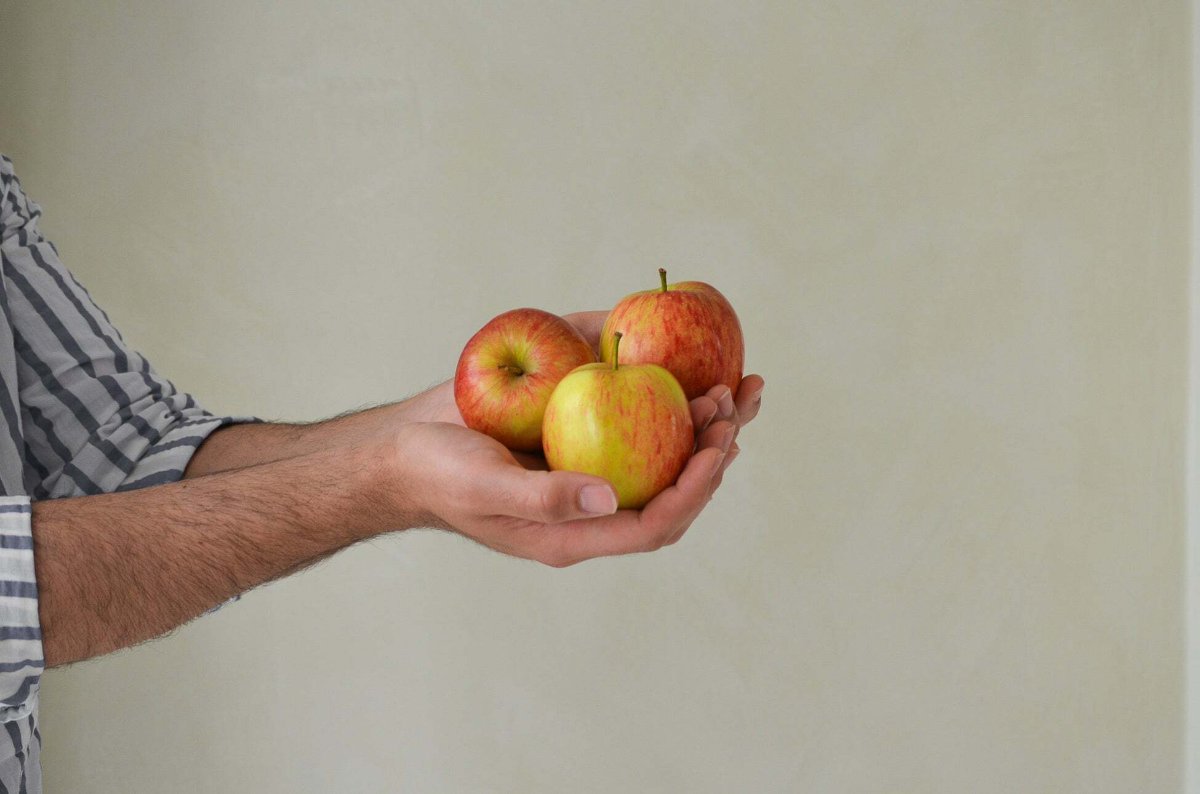
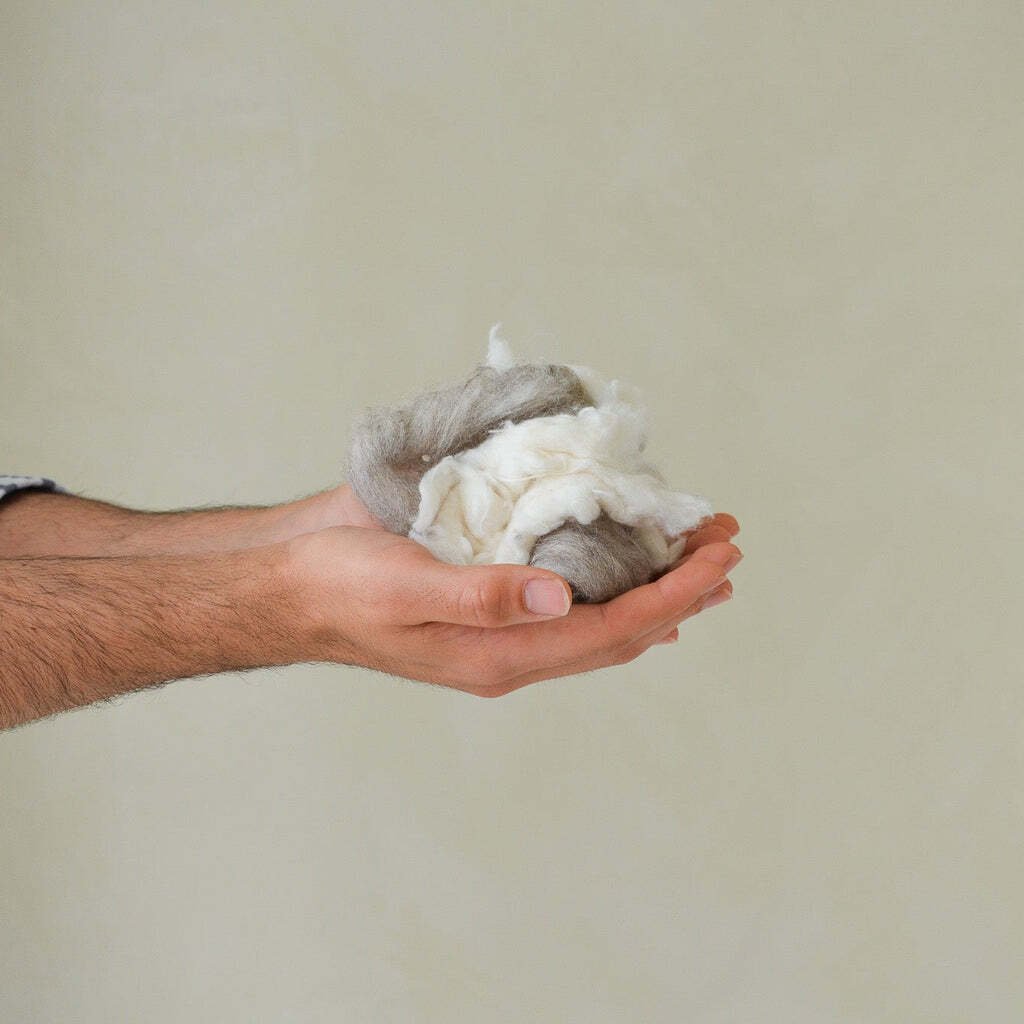
All three materials come from Italy, and Marleen found them the slow way. "Searching, searching, searching," is how she puts it. The recycled wool felt is old textiles. The recycled leather is the offcuts of shoe and bag factories, bonded back together with water and natural binders. The apple leather looks and feels like leather, but it isn't plastic-free: it contains a layer of polyurethane. The apple waste brings that share down and the backing is recycled plastic, but she would rather use natural materials, and she says so.
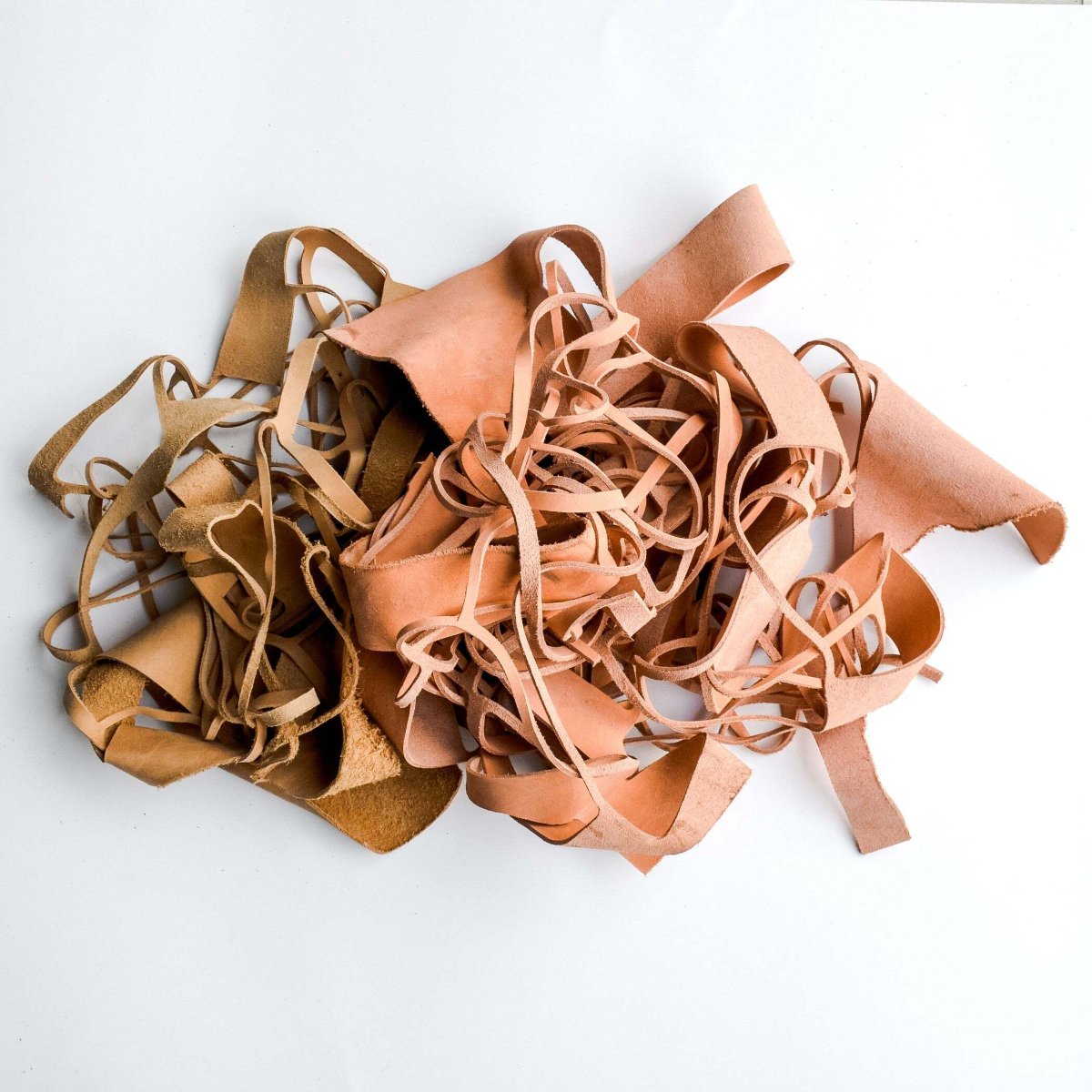
Not everything else is solved either. The metal fittings still come from the Far East, because European ones would price the products out of reach. Every product's footprint has been calculated by an outside firm and sits on a label you can scan, but it isn't zero. What remains is offset with trees planted in the Netherlands. "We don't shout it out loud," Marleen told me, "because I don't want to say it's zero."
Where it's made
Marleen spent a year preparing before anything was sold. The company she built, Eco Concept Group, works for businesses: circular materials, production in the Netherlands, in social workshops. Made Out Of started inside it as a laptop-sleeve brand for corporate clients, and those clients, she found, wanted the story as much as the object. Which materials. Which roads it had travelled. What the emissions were.
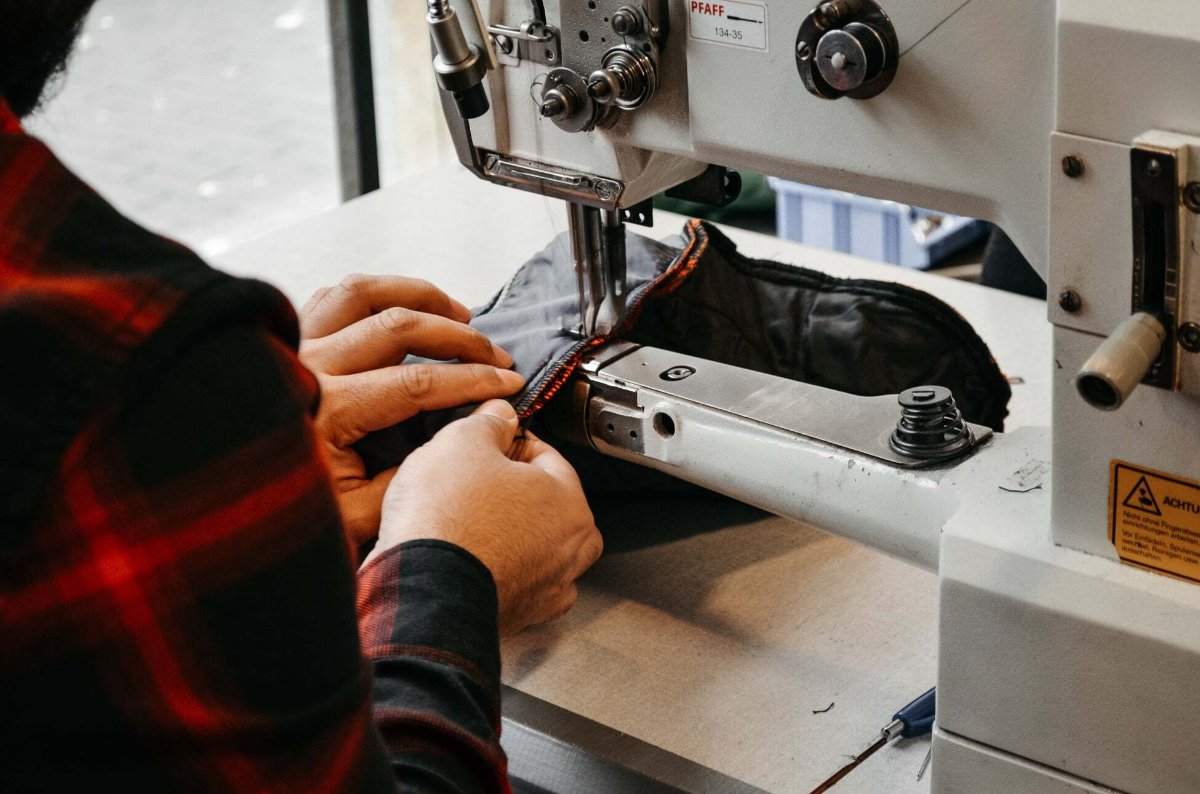
Producing in other people's social workshops wasn't working for her, so she built her own, called it Makers Lokaal, and bought the machines of an old belt factory as a lot. The designs are kept deliberately simple, because Dutch labour is expensive and a simple design is one that can still be made here. I trust that logic more than most sustainability claims I read: don't argue with the economics, design your way around them.
Who made it
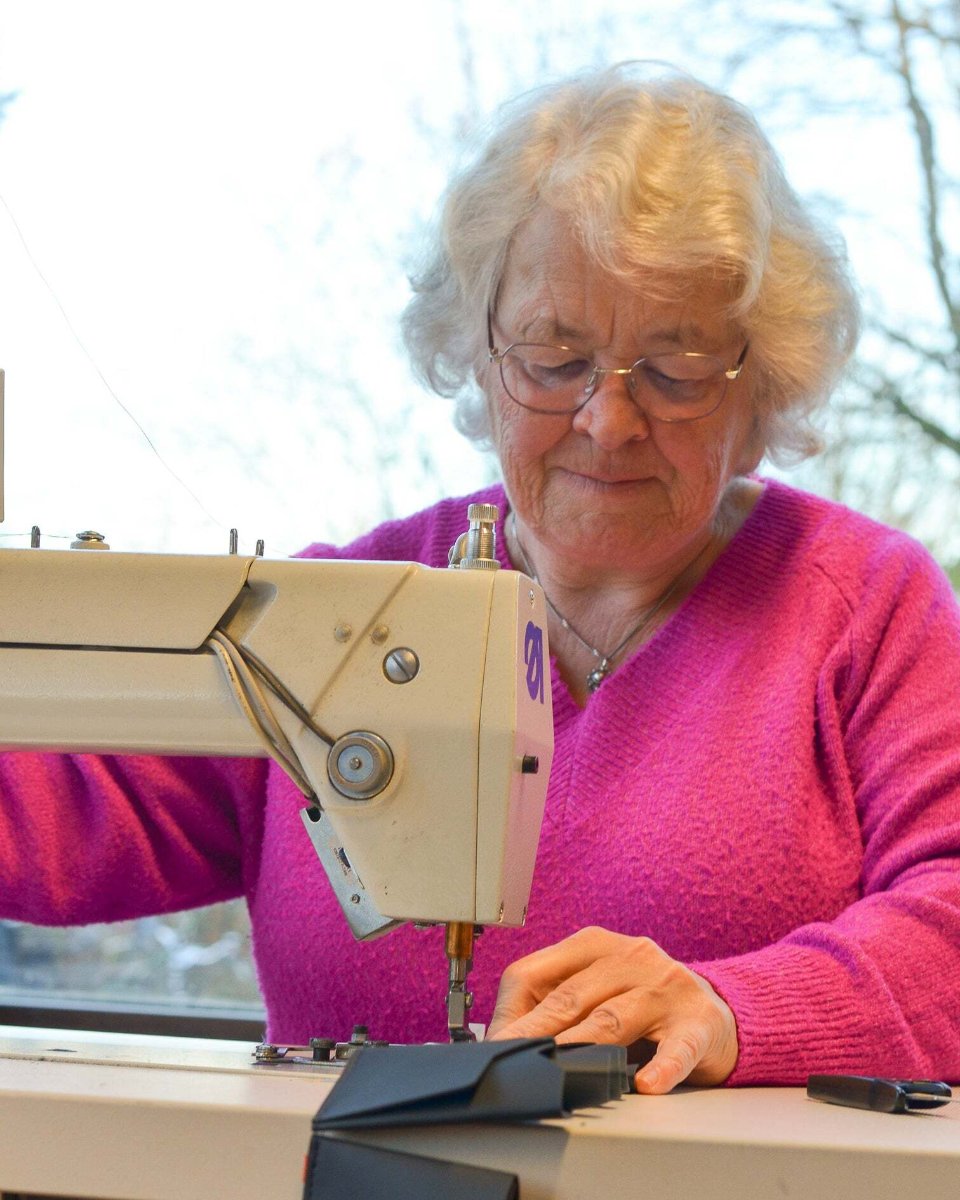
Everyone at Makers Lokaal came to it from outside the regular job market. Abdullah, in his late twenties, arrived from Syria, as did another of the makers. Janny was past sixty and out of work when she started; that's her at the machine. In the mornings, a group comes in for whom the work is part of their recovery. They cut hang tags and sew the smaller pieces; nothing is outsourced. Some move on to other jobs; others leave once they're well.
I don't want to make that sound bigger than it is. It is a small sewing room in the Netherlands. But Marleen didn't make it sound bigger either. The paperwork is hard, she said. Her team have been in the country long enough to be allowed to work; many others who could, cannot yet. "It's a challenge." She left it at that.
"There is a big difference between business and social. Can it be in the middle?"
What comes next
"With the brand and the workshop alone, the business case isn't very good yet." Marleen said it the way you might mention the weather. Eco Concept Group still pays for both. The brand has grown, it is known in the Netherlands, and it won the Circular System Challenger Award at the Fashion Pioneers Awards in Amsterdam last November. It still doesn't carry itself. I find that more trustworthy than any growth chart.
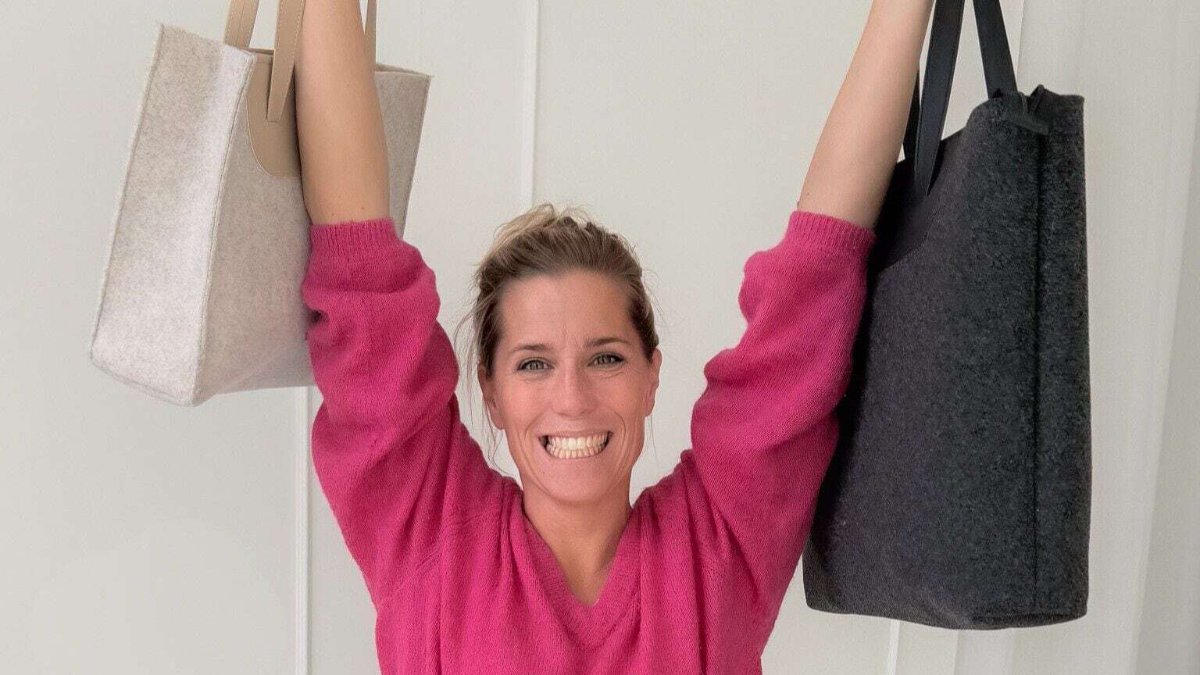
So she is handing it to Marit, who has been at the company for almost five years, first as a job on the side of art school, then through a second degree in fashion and textiles, with internships elsewhere in between. She kept coming back, for the story and for colleagues who see production the way she does. For years the team collected ideas for making Made Out Of a brand in its own right and never had the time. Her studies are finished. Now, she told me, they do.
Brands in this story
Read by people who care how things are made.
ledge Magazine lands once a month, free.
The archive opens as the editions grow.