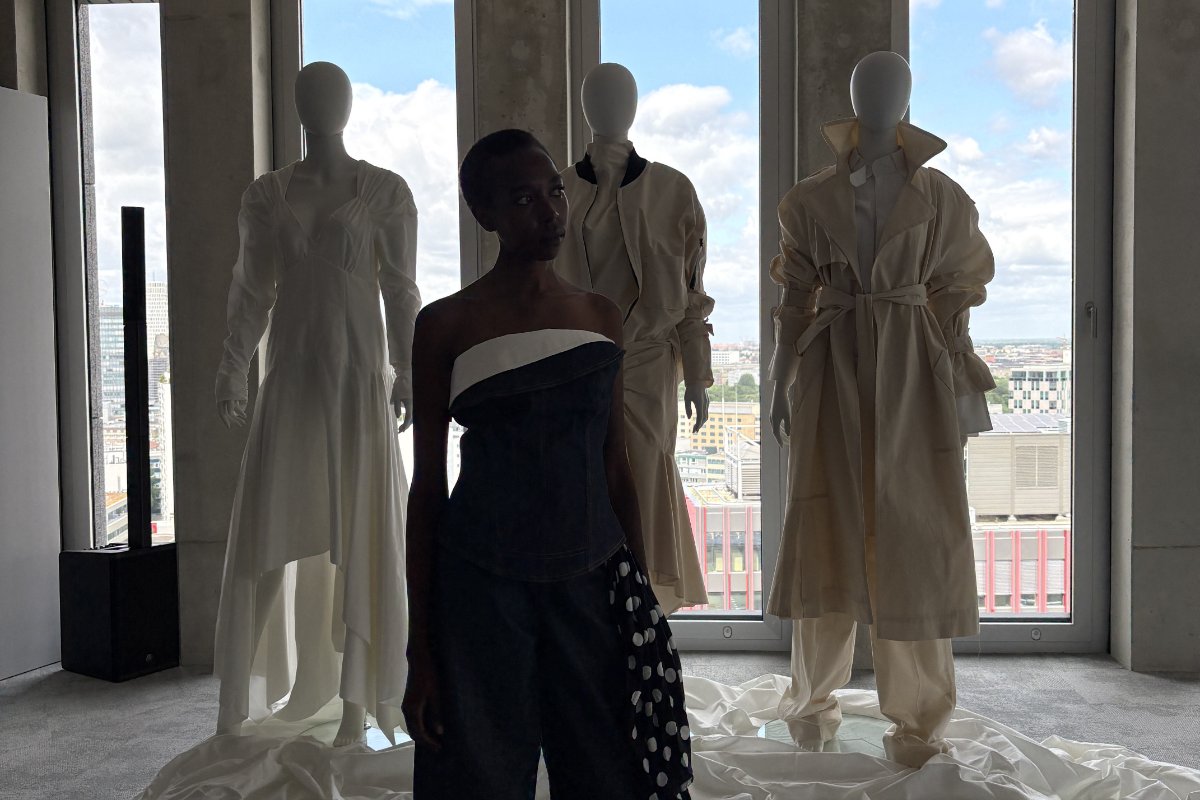
Why Berlin is Europe's most exciting Fashion Week right now
Berlin no longer needs to compete with Paris or Milan. Since Mercedes-Benz stepped away, the city has reinvented its Fashion Week: less spectacle, more purpose, sustainability and creative freedom. And that is precisely what is making it Europe's most exciting Fashion Week right now.
Berlin no longer needs to justify itself. Not to Paris. Not to Milan. And certainly not to those who have spent almost twenty years claiming that Germany doesn't need a Fashion Week. That debate has followed Berlin Fashion Week for almost as long as the event itself.
From imitation to an identity of its own
When Berlin Fashion Week made its debut in 2007, it wanted one thing above all: to be international. Big names. Big sponsors. Big images. Mercedes-Benz put its name to the event, international designers generated attention, and the locations kept changing, from Brandenburg Gate and Bebelplatz to E-Werk and the Erika-Heß Ice Stadium.
For a long time, Berlin seemed determined to measure itself against the established fashion capitals.
Perhaps that was its biggest mistake. Because Berlin was never Paris. Berlin was never Milan. Berlin was simply Berlin.
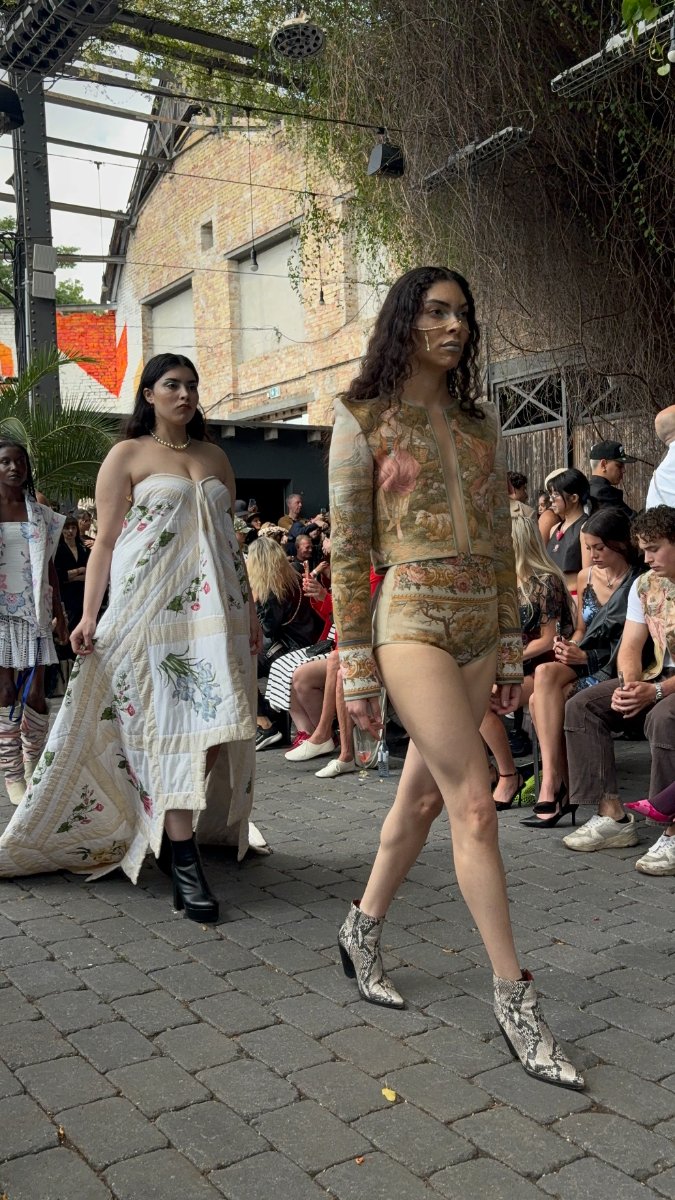
The turning point
When Mercedes-Benz stepped away, many interpreted it as the beginning of the end. International attention faded and Fashion Week increasingly slipped out of the spotlight. In retrospect, however, that moment was less a decline than a reset.
The Fashion Council Germany, supported by the Berlin Senate, seized the opportunity to redefine the event. Away from competing with the established fashion capitals. Towards a platform for everything Berlin has embodied for decades: creative freedom, cultural diversity and social relevance.
One decisive milestone was the adoption of the Copenhagen Fashion Week sustainability standards, gradually introduced from 2024 onwards. Combined with new curated formats, this gave rise to a Fashion Week that no longer tries to appear bigger than it is, but more relevant.
A Fashion Week with purpose
From 2 to 5 July 2026, it became clear where this evolution is heading. 53 runway shows. 62 side events. More than 150 public touchpoints. But above all: an atmosphere noticeably different from other fashion weeks. Less exclusivity. More dialogue. Less spectacle. More substance.
International media including Vogue Runway, Business of Fashion, WWD Japan, Dazed Korea and FashionUnited have been closely following this new direction. Berlin Fashion Week itself now sums up its identity in one line:
"The responsible movement of freedom, inclusion and creativity."
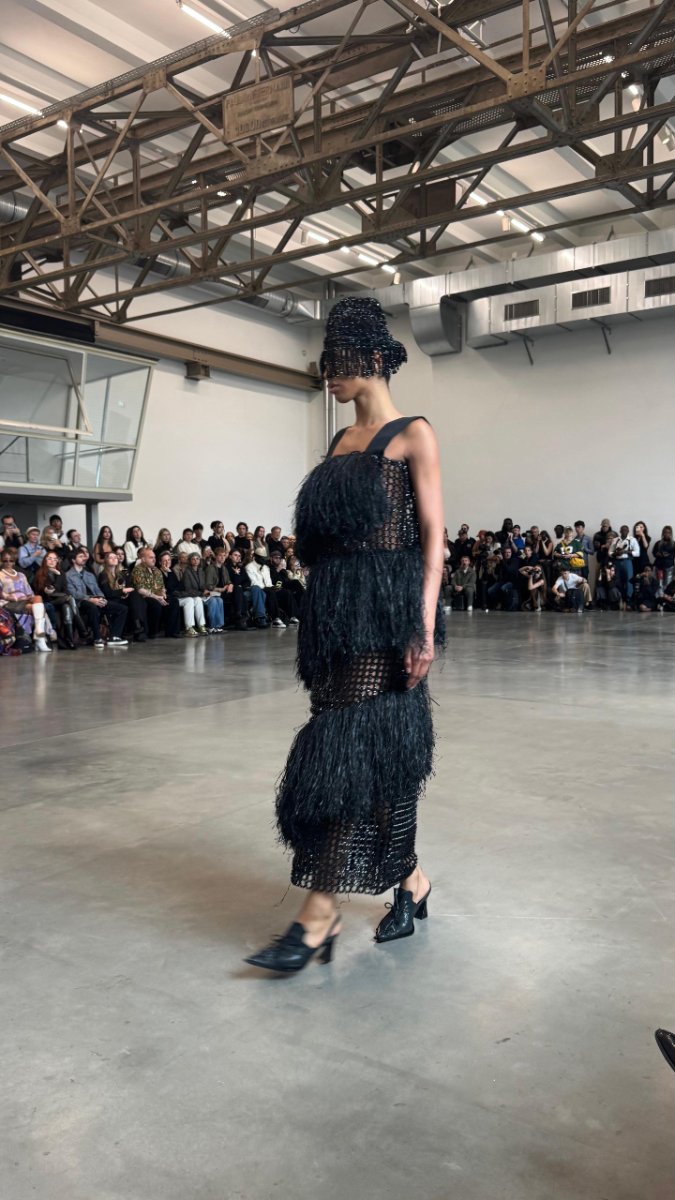
Why Berlin matters right now
While many international fashion weeks still focus primarily on scale, glamour and reach, Berlin is increasingly engaging with the questions that actually matter to the industry:
- What does responsible design look like?
- Which materials will shape the future?
- What responsibility do brands have?
- How is technology transforming fashion?
- And how do we create without wasting resources?
Berlin doesn't offer ready-made answers. But it asks the right questions. And perhaps, today, that is the greater achievement.
My conclusion
Berlin is not a smaller version of Paris. Nor is it Germany's answer to Milan. Berlin is an experimental space. A stage for designers who don't just create fashion, but question it. A Fashion Week that talks less about status and more about the future. And that is exactly why it has become one of Europe's most exciting fashion events. Not despite being different. But because of it.
I'm already looking forward to the next edition, from 29 January to 1 February 2027.
Not to be missed at the next edition
RAUM.Berlin
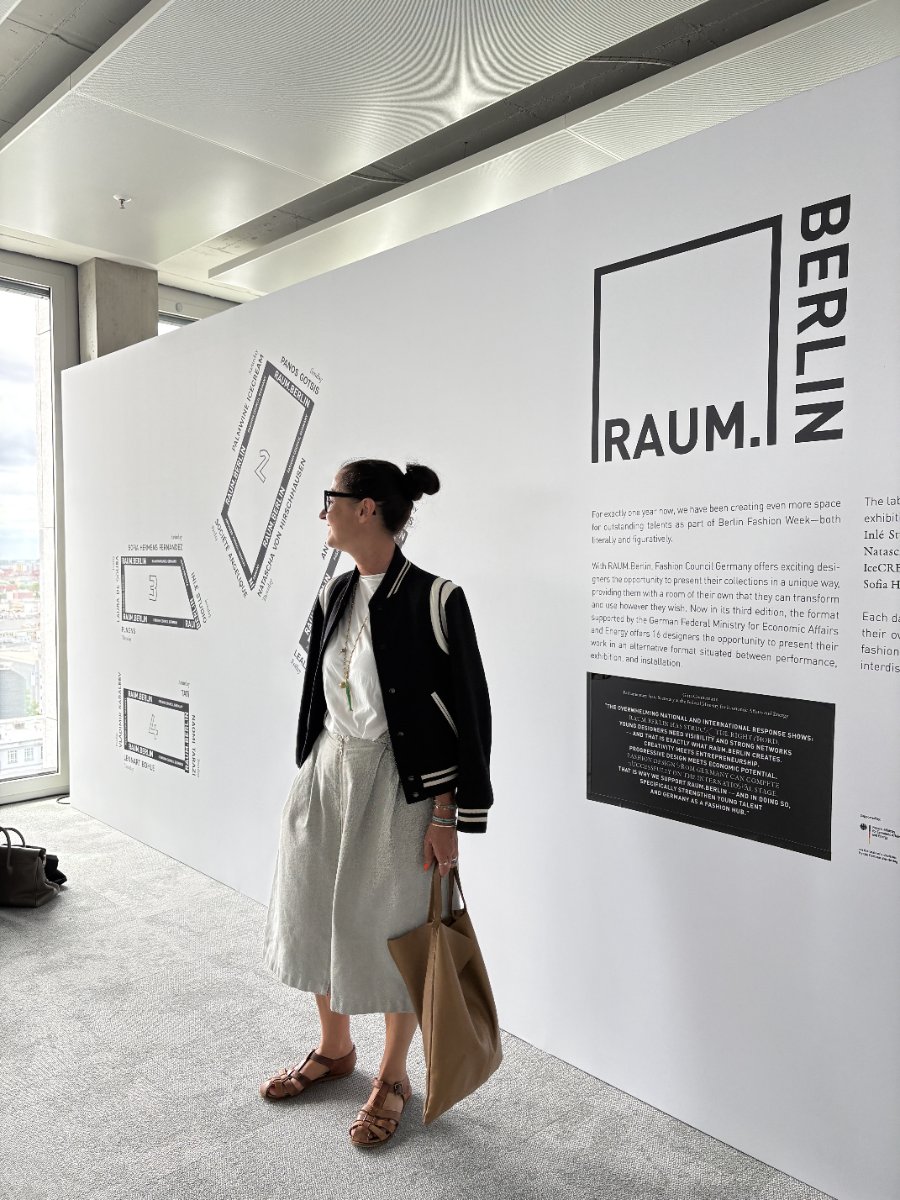
Few formats embody Berlin's new approach quite as perfectly as RAUM.Berlin. Instead of traditional runways, individual spaces allow designers to stage their collections on their own terms. Presentation becomes installation. Show becomes experience. This season, 16 labels presented their work over four days, personal, experimental and surprisingly accessible.
Der Berliner Salon
If you really want to understand the quality of German design, there is no getting around Der Berliner Salon. Curated and organised by Christiane Arp and Markus Kurz, the exhibition is not about fast-moving trends, but substance. Materiality. Craftsmanship. Purpose. Every piece tells its own story. And every season demonstrates once again just how internationally competitive German design has become. Perhaps this is where the real strength of Berlin Fashion Week lies: it isn't trying to be loud. It is trying to be relevant.
Four sustainable approaches at Berlin Fashion Week
You might wonder:
Who gets to show at Berlin Fashion Week?
Starting with SS27, brands on the official show schedule must meet a defined set of minimum standards, known as the Sustainability Requirements. The framework is based on Copenhagen Fashion Week's model and covers areas including strategic direction, design, material choices, working conditions, consumer engagement and the production of the show itself.
Who is the voice of German fashion?
Founded in Berlin in 2015, Fashion Council Germany represents the interests of fashion "designed in Germany". FCG connects designers, industry, politics and media while strengthening German fashion both nationally and internationally. Its key areas of focus include emerging talent, sustainability, fashion tech and community building.
Who can attend Berlin Fashion Week?
Berlin Fashion Week is primarily an industry event. In recent seasons, however, more formats have opened up to the public, alongside dedicated initiatives such as Studio2Retail for fashion enthusiasts. These are announced via Berlin Fashion Week's social media channels ahead of each edition.
Read by people who care how things are made.
ledge Magazine lands once a month, free.
The archive opens as the editions grow.